

When a family first reaches out because they want to help a loved one age in place safely, they often have a powerful motivation at heart: keeping someone they love happy, healthy, and secure in their own home. Yet, for most caregivers, the path from good intentions to practical solutions is anything but clear—or easy. The truth is, what matters most isn’t just installing a few grab bars or buying the latest mobility aid. It’s about understanding each senior’s unique needs and creating a holistic plan that addresses both safety and quality of life.
In this authoritative guide, Robert Williams—aging-at-home safety expert and founder of Direct Medical Supplies—walks families through how a professional home safety assessment works, what hidden risks experts spot that families often miss, and why customized solutions beat generic products every time. Drawing on years of experience and his company’s mission of compassionate, tailored care, Williams reveals the crucial knowledge every caregiver needs to help their loved one remain independent.
Robert Williams Explains Why a Personalized Home Safety Assessment is the First Crucial Step for Families
According to Williams, the first and most essential phase when considering aging in place isn’t rushing out to buy popular products. Instead, it’s about a detailed, personalized home safety assessment—an evaluation that considers each senior’s mobility, health, cognitive and lifestyle circumstances. His message to families is simple but powerful: what keeps one loved one safe may be insufficient or even hazardous to another.
"Most families don't realize that a simple grab bar isn’t enough – each senior’s unique mobility, health, and cognitive needs demand a tailored safety plan to truly protect and empower them at home."
– Robert Williams, Direct Medical Supplies
Williams emphasizes that while generic home modifications may offer peace of mind, they fail to capture the nuances that make each situation different. For instance, what works for someone with arthritis and vision changes will be drastically different from what’s needed for a senior recovering from surgery with mild cognitive impairment. This is why, as Williams insists, the professional assessment is the cornerstone of true safety, independence, and comfort at home.
Inside a Professional Aging-in-Place Assessment: What Families Need to Know
How Experts Identify Hidden Safety Risks Beyond What Families Usually See
One of the main reasons families seek out Williams and his team is because they sense there are dangers lurking in the home that they can’t always identify or mitigate on their own. The expertise a professional brings is the ability to spot risks that loved ones might overlook—hazards woven into the fabric of daily routines or camouflaged by a home’s familiar comfort.
For families in the Memphis area looking for hands-on support, learning more about Direct Medical Supplies’ Memphis location can be a practical next step. Their local team is equipped to provide in-depth assessments and tailored recommendations right where you need them most.

As Williams notes, it’s easy for caregivers to focus exclusively on preventing falls, but a truly expert assessment reaches beyond that. The evaluation goes room-by-room, scrutinizing walkways, floors, bathrooms, entryways, and lighting. It considers not only mobility and medical history, but also cognitive function, habits, and preferences. “We focus not only on preventing falls, but also on keeping the person happy, healthy, and confident in their daily activities – that holistic approach makes all the difference,” Williams explains. Families are often amazed at the subtle, potentially dangerous details—like unsecured rugs, poor lighting, and acclimation to unsafe routines—that may have gone unnoticed for years.
"We focus not only on preventing falls, but also on keeping the person happy, healthy, and confident in their daily activities – that holistic approach makes all the difference."
– Robert Williams, Direct Medical Supplies
The Biggest Hazards in Typical Homes and How Targeted Modifications Address Them
According to Williams, the vast majority of homes contain four persistent danger zones for seniors. Each requires not only identification, but carefully considered solutions:
Cluttered walkways and poor lighting: Tripping hazards increase as eyesight and mobility change with age. Clearing pathways and upgrading lighting can have an immediate, profound effect.
Unsafe bathroom setups without grab bars or non-slip surfaces: The bathroom is the number one site for falls, and must be addressed with robust, customized modifications.
Stairs without handrails or ramps: Difficulty with stairs is responsible for a significant percentage of hospitalizations. Proper support and access devices are critical.
Inadequate mobility aids tailored to individual needs: Off-the-shelf solutions may not fit the unique requirements of each senior, potentially causing more harm than good.
Williams explains that a professional assessment transforms a typical home into a strategically safe environment by addressing these hazards with precision—not generic fixes. The result is peace of mind for families and, far more importantly, for the loved one living there.
Building a Customized Safety Plan: From Mobility Aids to Smart Home Solutions
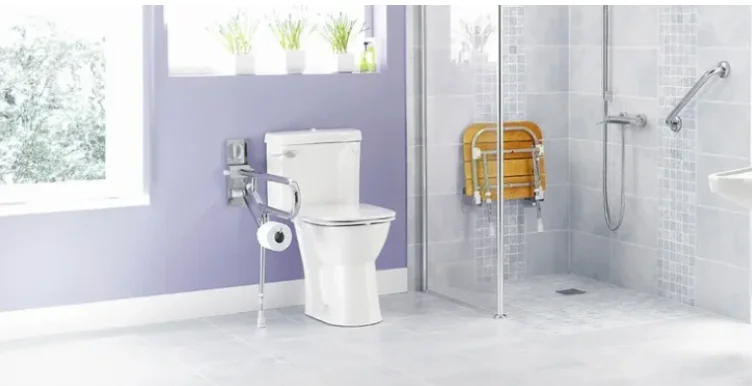
Why Properly Selected Equipment Prevents Accidents and Promotes Independence
After a professional assessment, Williams and his team craft a detailed, prioritized action plan. The secret to success? Every recommendation—from hospital beds and shower chairs, to lighting systems and smart sensors—is carefully chosen and personally fitted. “Our catalog ranges from beds to mobility aids, and everything between, all chosen to fit lifestyles and support the journey toward health milestones,” Williams shares.
"Our catalog ranges from beds to mobility aids, and everything between, all chosen to fit lifestyles and support the journey toward health milestones."
– Robert Williams, Direct Medical Supplies
Williams notes that the psychological benefit of matched equipment can be just as transformative as its safety impact. Properly selected products restore dignity, enable autonomy, and foster confidence. As he puts it, products and services should be solutions, not just purchases. The right grab bar, transfer bench, or lift can mark the difference between daily frustration and functional, joyful living.
How to Prioritize Home Improvements Based on Urgency and Budget Constraints
Naturally, caregivers worry about cost and what to address first. Williams recommends using a risk-based, stepwise approach guided by the assessment’s findings and budget realities. The most urgent interventions counter the most severe and likely risks—bathroom modifications, handrails, and clear walkways—while upgrades like ramps or smart home devices can be phased in as resources allow.
Modification |
Benefit |
Urgency |
Cost Range |
|---|---|---|---|
Grab Bars |
Prevents slips, especially in bathrooms |
High |
Low |
Lighting Upgrades |
Reduces tripping hazards |
Medium |
Medium |
Ramps & Stair Lifts |
Maintains access and independence |
Variable |
High |
Smart Home Sensors |
Monitors safety and alerts caregivers |
Medium |
Medium-High |

Williams helps each family weigh immediate safety against available budget, ensuring that the most consequential changes happen first. His expert perspective is that even incremental progress can dramatically reduce risk. The crucial element is professional guidance when prioritizing improvements, rather than a piecemeal or guesswork approach.
Timing Matters: When Families Should Seek a Professional Safety Assessment
The Risks of Waiting Until After a Fall
One of Williams’ strongest cautions for families is simple: "Don’t wait for a crisis." Although many caregivers only call after a loved one has experienced a fall or hospital visit, the truth is that most hazards are preventable if caught early. Falls remain the leading cause of injury and loss of independence for seniors, often resulting in hospitalizations or even permanent disability.
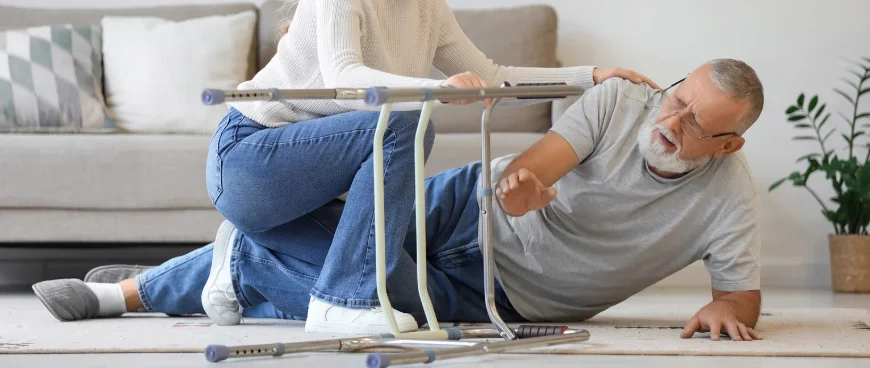
Williams stresses that it’s far easier to make small, proactive changes now than to recover from an emergency. The data is clear: seniors who wait until after a fall to address home safety face greater challenges regaining independence. As he puts it, the best investment in comfort and peace of mind is always a proactive, not reactive, safety assessment.
Signs It’s Time to Act Now to Keep Your Loved One Safe
So, how do you know it’s time to bring in an expert? Williams recommends watching for a few key warning signs:
Changes in mobility or balance
Increased forgetfulness or cognitive challenges
Difficulty performing daily living activities
Recent hospital or rehabilitation discharge
When any of these arise, it signals that the risks of remaining at home without further assessment have increased significantly. Even if just one of these resonates, Williams calls for immediate action: safeguarding independence takes planning, and every day matters.
Summary: Why a Professional Aging-in-Place Assessment is the Best Investment for Your Family’s Peace of Mind
Key Takeaways for Caregivers Planning Safe, Comfortable Living at Home
Every senior’s safety needs are unique and require professional evaluation.
A tailored plan can drastically reduce fall risks and improve quality of life.
Proactive assessments prevent costly and dangerous emergencies.
Products and services should be solutions, not just purchases.

"Our mission is to provide compassionate care with personalized products that truly make daily life easier and safer for seniors and their families."
– Robert Williams, Direct Medical Supplies
Next Steps: How to Begin Your Loved One’s Aging-in-Place Journey with Confidence
When a family first reaches out because they want to help a loved one age in place safely, Robert Williams and Direct Medical Supplies stand ready to deliver a genuinely personal solution. Now is the moment to move from concern to confident action: schedule a professional home safety assessment, look for signs that it’s time to intervene, and prioritize improvements using expert guidance. As aging-in-place becomes a reality for more families, your loved one deserves the thoughtful, individualized plan—and the compassionate support—that only seasoned professionals provide.
Start your family's journey to a safer, happier home—contact Direct Medical Supplies for a comprehensive aging-in-place assessment today.
If you’re interested in exploring the full range of support available for seniors and caregivers, consider discovering more about the services and expertise offered by Direct Medical Supplies in Memphis. Their local presence means you can access not only assessments, but also ongoing guidance and a wide selection of adaptive equipment tailored to your loved one’s evolving needs. By connecting with a dedicated team that understands the unique challenges of aging in place, you’ll gain peace of mind and a partner in your family’s journey. Take the next step toward a safer, more comfortable home environment by learning how Direct Medical Supplies can help you navigate every stage of the process at their Memphis location.
CONTACT:
Direct Medical Supplies, Ph: (901) 737-5069 Email: robertwilliams316@gmail.com
AUTHOR: Robert Williams, Owner
BIO: Direct Medical was started in 1999 selling Diabetic Shoes and Supplies. Because of customer demand the company expanded into a full line DME supplier. In 2005 the need for Home Modifications and Assisted technologies began to increase and once again the company was up to the challenge. DMS has provided hundreds of home modifications and Assistive technology products. We believe that flexibility and availability are key elements that allow us to meet the needs of our aging and dependent population. Someone is on standby 24/7 to service those in need.
How do we stay small and sell big? It's simple: years of experience. Our mission is to offer you the latest in Medical Equipment and supplies at the best prices, along with unparalleled service. We pledge to use our best efforts to make your experience both beneficial and enjoyable. Once you give us a try, we're sure you’ll be back for more!



Write A Comment