
Charles Barnes and Rick Chambers Reveal Why Neglecting Equipment Maintenance Drains Your Bottom Line
Every business leader responsible for facility operations faces the same silent threat: hidden costs caused by poor equipment maintenance. As Charles Barnes and Rick Chambers of Janitor Supply Center of Memphis emphasize from decades of work in cleaning, restoration, and maintenance supply, the expense you see on a maintenance invoice is only the tip of the iceberg. Beneath the surface, undetected neglect erodes profitability, disrupts workflow, and erases gains.
Most commercial property owners and facility managers tend to underestimate the true cost of skipping basic equipment upkeep. It’s easy to let maintenance checklists slide, especially in the rush of daily operations. Yet as Charles Barnes warns, the consequences are cumulative and costly: “Most people miss the fact that they don’t properly maintain equipment—filters go uncleaned, tanks unrinsed, and batteries unchecked. These neglects combine to cause downtime, higher labor costs, and expensive repairs."
"Most people miss the fact that they don’t properly maintain equipment—filters go uncleaned, tanks unrinsed, and batteries unchecked. These neglects combine to cause downtime, higher labor costs, and expensive repairs." – Rick Chambers, Service Manager
The Hidden Financial Burden Behind Poor Equipment Maintenance
According to Charles Barnes, the core reason businesses lose profit is not the price of regular maintenance, but the avalanche of hidden costs triggered by neglect. One unchecked filter or a forgotten battery inspection can set off a chain reaction: equipment falters, production stops, and your team scrambles to compensate. These seemingly “small” oversights ramp up your operational costs in ways that aren’t obvious until the damage is done.
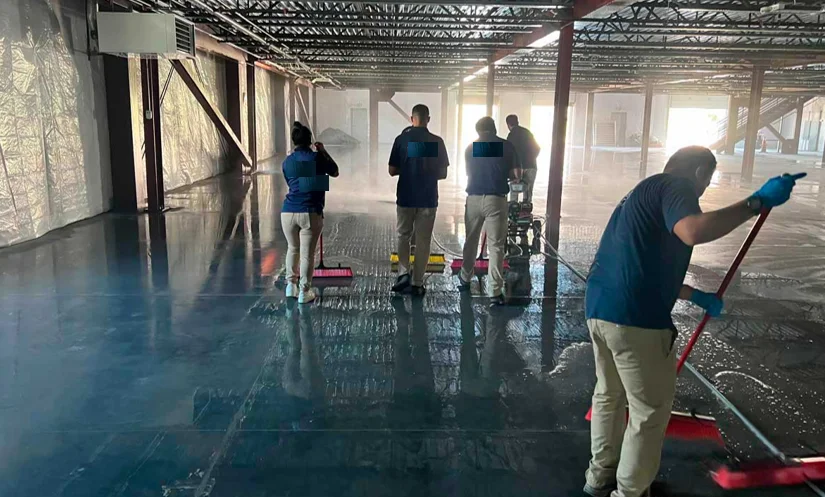
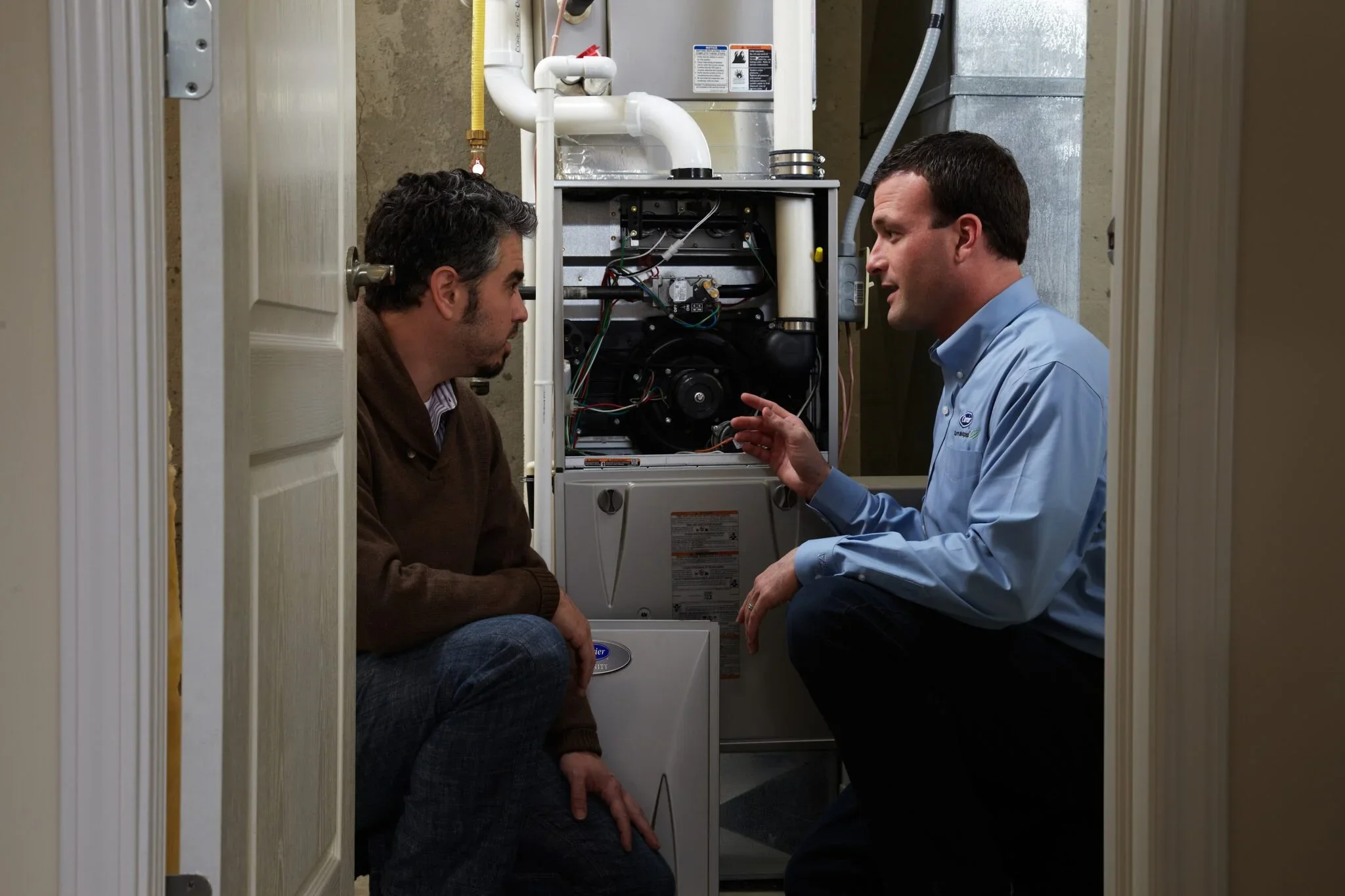
From Charles’s experience, the ripple effects are dramatic. A neglected floor scrubber or HVAC system might seem to save money short-term when you skip a routine check, but each missed maintenance opportunity makes catastrophic failure more likely. Repeated breakdowns not only demand costly repairs and parts, but also force workers to revert to manual methods—doubling or tripling labor costs. Adding insult to injury, inefficient machines gulp more power, pushing utility bills upward. These costs accumulate invisibly in the ledger until a single event—an emergency breakdown—suddenly makes them impossible to ignore.
Increased and unexpected repair costs caused by neglected small issues
Lost productivity from unplanned equipment downtime
Higher energy consumption due to inefficient, poorly maintained machines
Shortened equipment lifespan leading to early costly replacements
Safety risks and emergency service calls disrupting operations
Identifying Early Warning Signs That Signal Maintenance Neglect
The warning signs of poor equipment maintenance rarely announce themselves with a bang. According to Chambers, early indicators—like odd machine noises, rising utility bills, or frequent minor repairs—are your first clues that small issues are becoming big problems. Savvy managers keep their ear to the ground, tuning into these subtle signals because waiting for outright failure is always more expensive than addressing minor wear and tear up front.
Barnes shares from his experience that overlooked basics like unclean filters, unrinsed tanks, or unchecked batteries may seem trivial, but these are the culprits behind “machine downtime, equipment downtime, lost labor productivity, and a snowball of higher repair costs." If your crew is reporting more frequent breakdowns, or if performance drops and energy usage spikes, it’s time to dig deeper. Each sign is a warning that the cost of putting off maintenance is about to outpace the small investment required to prevent bigger disasters.
Unusual noises indicating potential mechanical wear
Rising utility bills from inefficient equipment operation
Frequent repairs as a symptom of underlying maintenance failures
Overheating, leaks, vibrations, or inconsistent performance
"Very few people even check the batteries before charging them, which sounds small but leads to bigger machine failures and costly downtime." – Rick Chambers, Service Manager
Preventive Maintenance Versus Reactive Repairs: The True Cost Comparison
When it comes to controlling costs, there’s a stark divide between businesses running on preventive maintenance plans and those that only react when something breaks. Charles Barnes repeatedly sees that the companies who schedule routine inspections and minor repairs enjoy more reliable equipment, less stress, and far fewer surprises in the budget. Conversely, a reactive approach inevitably triggers emergency repair calls, production halts, and too often, equipment that’s down for weeks while waiting for parts.
The expert perspective from Charles Barnes is clear: proactive care consistently delivers long-term financial wins. Not only does it help catch small issues before they balloon into major repairs, it also maximizes your equipment’s operational life—delaying expensive replacement purchases. Predictable maintenance means predictable budgets, whereas “run till it breaks” leads to last-minute panic, overtime pay, and continuous damage to profit margins. Barnes’s advice is especially crucial for those overseeing critical infrastructure in large facilities, manufacturing lines, or multi-unit operations.
Why Businesses Benefit More from Scheduled Maintenance Plans
According to Charles Barnes, scheduled maintenance isn’t just about preventing breakdowns—it’s a strategic move to stabilize operational costs and safeguard productivity. Businesses that invest a little at regular intervals can avoid the handful of crisis moments that destroy months of profit in a blink. You lock in reliability, extend the lifespan of expensive machinery, and keep your teams focused on productive work instead of scrambling during unscheduled outages.
Charles observes that those who follow maintenance plans are far less likely to need urgent service calls or emergency part orders—a fact that allows them to budget more effectively and present fewer nasty surprises to their CFOs. In essence, the real savings come from early detection and sticking to a preventive schedule, which also builds a culture of accountability and operational excellence from the ground up.
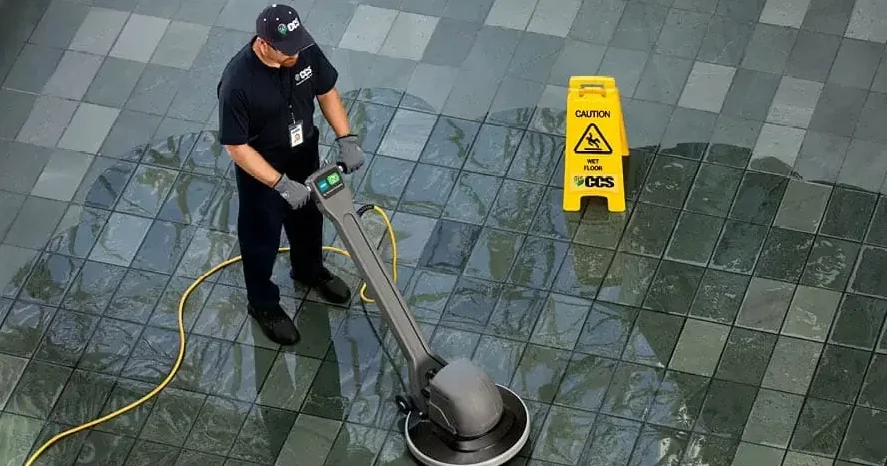
A"real life" example of this 'painful lesson' is the importance of using the right chemicals in your equipment. "We had a customer that used the wrong chemicals and brush for his machine and totally ruined an epoxy floor costing them over $80,000 to fix."
Cost savings through early detection and repair of minor issues
Improved equipment reliability and reduced emergency breakdowns
Predictable budgeting by avoiding surprise repair expenses
Long-term savings from maximizing equipment lifespan
"When maintenance isn’t done right, a small repair can turn into a major repair that takes weeks to fix, costing companies far more." – Charles Barnes, Janitor Supply Center
Reactive Repairs Lead to Higher Costs and Business Interruptions
Chambers warns that companies who adopt a “repair-only-when-broken” mindset are courting disaster. Emergency calls often come at a premium, with rushed parts orders and technician overtime surcharges adding up quickly. Even more damaging is the unpredictable loss of productivity—equipment sits idle, teams are reassigned, and production schedules slip. According to Chambers, “instead of catching something that was small to repair, now it becomes a major repair, and you’re having to wait a week or two to get parts—and overall, it ends up costing the company more money. ”
Beyond direct repair costs, unplanned breakdowns have ripple effects: missed client deadlines, reputational damage, and even regulatory or compliance risks if safety-critical systems go offline. Over time, a patchwork approach to maintenance chips away at your business’s operational resilience, exposing you to bigger bills and greater uncertainty every year.

Building a Proactive Maintenance Plan That Saves Money and Prevents Downtime
The difference between a thriving operation and one in constant crisis often comes down to a clear, actionable maintenance strategy. Charles Barnes advises that building a robust plan involves more than just scheduling cleanings—it requires a system for early detection, documentation, seasonal adjustments, and staff engagement at every level.
Start by establishing inspection cycles that fit the demands of your workplace: different equipment and environments call for tailored frequency. Respond to seasonal shifts—think HVAC checks before summer heat or ice machine maintenance before winter. Keep detailed digital or paper records, so every service, repair, or issue creates a trail, enabling trends to be spotted early. Above all, empower your staff to report odd sounds, leaks, or performance dips immediately, and don’t hesitate to call in professional technicians for complex machinery. A proactive plan transforms maintenance from a dreaded expense into a controllable, budget-friendly investment.
Establish regular inspection schedules aligned with equipment types
Conduct seasonal maintenance aligned with environmental changes
Keep detailed maintenance records to track issues and repairs
Train employees to report warning signs promptly
Know when to call professional technicians for advanced service
When Is It Time to Repair Versus Replace Your Equipment?
Even the best maintenance plan can’t make commercial equipment last forever. Charles Barnes recommends that business owners balance the ongoing costs of repairs against the potential savings of replacement. Factors such as age, frequency of breakdowns, and overall cost of ownership should weigh heavily. In some cases, hanging onto outdated, inefficient, or frequently failing equipment is throwing good money after bad. Upgrading to newer models can yield operational efficiency, lower power bills, and fewer headaches—all of which contribute directly to your bottom line.
To make informed decisions, consider tracking the total spend on repairs as a percentage of the equipment’s initial value and its projected future performance. If frequent fixes are undermining reliability, productivity, or compliance, it’s time for an upgrade.
Assess equipment age and current repair frequency
Analyze total cost of ownership including ongoing repairs
Consider energy efficiency improvements with new models
Evaluate ROI to determine financial wisdom of replacement

Summary: Stop Hidden Maintenance Costs from Sapping Your Business Profit
Key Takeaways to Protect Your Operations and Budget
Charles Barnes’s expertise makes it clear: ignoring routine equipment care comes at a steep price. Small, inexpensive fixes—like cleaning filters or checking batteries—can prevent massive failures and protect your budget from surprise losses. Keep your eyes open for early warning signs and invest in a preventive maintenance plan to capture predictable costs and extend your asset lifespan. Regularly review your repair-to-replacement threshold to maximize efficiency and reinvest the savings into growing your business, not patching up the past.
Small maintenance tasks prevent major costly failures
Watch for warning signs early to avoid surprise downtime
Adopt a preventive maintenance plan for predictable costs
Replace equipment strategically to maximize efficiency and cost savings
"It ultimately costs more money to avoid maintenance than to invest in it properly upfront." – Charles Barnes, Janitor Supply Center of Memphis

Contact Us:
Janitor Supply Center of Memphis, Ph: (901) 324-8376 or Service (901) 467-4614
Email: jscmemphis@outlook.com https://www.JanitorSupplyCenter.com
Author: Charles Barnes, President / Owner, Janitor Supply Center of Memphis, Memphis, TN
Rick Chambers, Service Manger | Jerry Chambers, Service Advisor




Write A Comment