
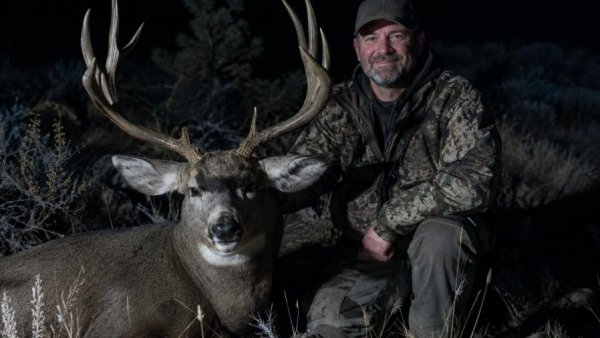
Understanding the Resilience of Mule Deer
Mule deer are perhaps one of the most emblematic wild animals of the Western United States, thrilling outdoor enthusiasts with their unique habits and striking beauty. These creatures, while often overshadowed by their more populous relatives, the whitetails and elk, boast intriguing features and complex behaviors. Observing mule deer in their natural habitat can be a rewarding experience, especially for homeowners in the MidSouth who have an appreciation for wildlife and the outdoors. The majestic presence of these creatures can truly enhance the beauty and tranquility of suburban and rural landscapes alike.
Why Mule Deer Have a Special Place in Our Ecosystem
The importance of mule deer in ecological balance cannot be overstated. While they face significant challenges, including habitat loss and competitive pressures, they have adapted remarkably well to suburban environments. This adaptability is vital, as it allows these deer populations to thrive even in less than ideal conditions, further enriching the natural landscape around us and offering moments of connection with nature. Their foraging habits can also benefit local ecosystems, as they help control vegetation growth and promote biodiversity.
Health and Wellness: The Comfort of Nature
As homeowners, taking the time to appreciate wildlife can provide significant mental health benefits. Watching these magnificent animals can be a form of therapeutic escapism, granting the chance to unwind from daily stresses and reconnect with nature. Studies show spending time outdoors promotes psychological well-being, alleviating symptoms of anxiety and depression. The gentle presence of mule deer wandering through neighborhoods or parks can actually bolster community spirit and enhance our relationships with nature. Connecting with wildlife, especially in familiar settings, deepens our appreciation for the simplicity and beauty of life around us.
Lessons from Mule Deer: Persistence and Survival
Much like the challenges we face in life, mule deer present a narrative of perseverance. Consider an instance when a wounded buck in Montana continued to pursue its natural instincts, even when facing near certain death. This story reminds us that resilience and determination, even in tough times, can lead to unexpected successes. For homeowners aiming for healthier lifestyles, adopting a mindset of perseverance, much like the mule deer, can inspire us to overcome obstacles in our own lives. Every struggle can be viewed as an opportunity to grow stronger, adapt, and thrive despite the challenges that may come our way.
Protecting Our Wildlife: A Community Effort
It’s important for communities to take an active role in protecting wildlife habitats, ensuring that these inspiring creatures continue to thrive. By advocating for local conservation efforts, planting native vegetation, and minimizing human impact, homeowners can contribute to a healthier ecosystem. For example, creating deer-friendly gardens with natural food sources can help support local wildlife, while reducing chemical usage to promote cleaner soil and water. Participation in local environmental initiatives not only supports wildlife but fosters community relationships, creating a ripple effect that uplifts and inspires everyone involved. Events like community clean-ups or wildlife workshops can enhance awareness and engagement among residents, leading to a more vibrant coexistence with nature.
Engaging with Nature: A Practical Guide for Homeowners
Integrating aspects of natural living into one’s home can create a balanced and peaceful environment. Simple steps like creating a wildlife-friendly garden, minimizing chemical use, and incorporating sustainable practices can enhance not just our living spaces but also encourage wildlife like mule deer to coexist harmoniously with us. For instance, homeowners can plant native species that provide food and shelter for deer while also attracting other beneficial wildlife such as birds and pollinators.
Another effective strategy is managing outdoor lighting to reduce disturbances for nocturnal species. Furthermore, incorporating natural landscaping not only makes for an attractive aesthetic but also helps to preserve local water sources and minimize runoff. Homeowners could also join or form local community groups focused on wildlife protection, where they can share knowledge and participate in collective efforts to safeguard local habitats.
Understanding the Challenges Ahead
Mule deer, like many wildlife species, face ongoing threats such as habitat destruction due to urban development or agriculture, climate change, and diseases. Understanding these challenges can empower homeowners to take action. Staying informed about local conservation issues and participating in advocacy efforts can lead to more effective measures in protecting wildlife. This engagement helps ensure not only that mule deer continue to thrive but also that future generations are able to appreciate their presence and the rich biodiversity they represent.
Final Thoughts: Take Action for Our Environment
Mule deer represent not only the wilderness they inhabit but also the layered stories of survival, adaptation, and resilience. For homeowners interested in maintaining their health, wellness, and living harmoniously with nature, taking action to protect these magnificent animals and their habitats is essential. Each small decision—like how we landscape our yards, what we plant, and how we engage with conservation efforts—can lead to significant outcomes for local ecosystems. Embrace opportunities to learn more about your local environment, and consider how you can positively impact your surroundings and the wildlife with which we share our homes. By fostering a culture of respect and responsibility towards nature, we pave the way for healthier ecosystems and happier communities.



Write A Comment