
Unusual Find Raises Questions for Lake Ontario's Ecosystem
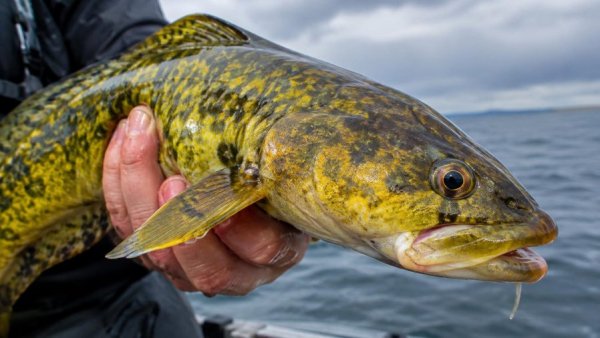
What started as a routine invasive-species survey turned into a riveting ecological discovery in Lake Ontario. In October, a U.S. Fish and Wildlife Service survey team uncovered a rare yellow burbot at Oswego Harbor, igniting interest among researchers and environmentalists alike. This unique fish, known for its rarity, was found in a locale where burbot populations are already noted for their low numbers. The serendipitous catch highlights not only the importance of monitoring invasive species but also about the conservation of native species that play a crucial role in our ecosystems.
Understanding Xanthochromism: A Colorful Genetic Journey
The yellow burbot's striking appearance is due to a genetic condition known as xanthochromism, which alters the pigmentation of the fish to render it a vivid yellow or orange. While this coloring might catch the eye of fishermen, it poses challenges for the fish, making it easier prey in its natural habitat. Unlike common albinism, which is often characterized by a complete lack of melanin, xanthochromism leads to an abnormal concentration of yellow pigments. This condition, while not as common as albinism, has been documented in various species over time, showcasing the ongoing diversity and mutations found in nature. Notably, fish with such genetic variations often exhibit diminished survival rates due to increased visibility to predators.
The Broader Implications of Invasive Species
As the survey aims to detect invasive species throughout the Great Lakes system, the finding of the yellow burbot underscores the need for ongoing research and monitoring. The introduction of invasive species can disrupt local ecosystems—not just for fish but also for the broader array of wildlife living in and around the lake. This is particularly pertinent for homeowners who live near these waterways, as changes in local fish populations can affect water quality and the overall health of the ecosystem. Engaging with this topic can lead to better understanding and protective measures for both environment and health.
Lessons for Local Residents: What This Means for Your Health and Environment
Understanding the dynamics of local ecosystems is essential not just for fish enthusiasts but for homeowners as well. The health of Lake Ontario and its species is intricately tied to the wellness of the surrounding areas. Homeowners often overlook the impact of local wildlife and natural environmental shifts on their properties. As shifts in fish populations can indicate broader environmental changes, residents are encouraged to consider how local ecosystems affect their health and wellness. This relationship can be direct, such as through water quality impacted by the fish populations, or indirect, like how the overall health of Lake Ontario affects recreational activities and property values in surrounding areas.
Connection to Sustainable Living
Embracing a lifestyle that recognizes the importance of nature contributes to a healthier community. The findings from the invasive species survey can inspire homeowners to engage more deeply with sustainable living efforts. Simple actions, like being mindful of water usage and supporting local conservation initiatives, can help preserve the health of lakes like Ontario. Opting for native plants in landscaping, reducing chemical runoff through responsible gardening, and using eco-friendly products can also contribute to a more balanced ecosystem. Such initiatives not only sustain local wildlife but also enhance your property’s value by promoting environmental health.
How Homeowners Can Get Involved
There are several actionable insights for homeowners looking to contribute positively to their environment. Participating in local cleanup efforts, maintaining proper waste disposal to prevent runoff, and advocating for policies that protect local wildlife habitat are all effective ways to engage. Additionally, homeowners can adopt water-efficient practices to mitigate the strain on local waterways. Involving families in ecology-friendly home projects or community gardening can be instrumental in fostering a sense of sustainability. Educating families on the importance of ecosystems and conservation can inspire a new generation of conservationists, creating a solid foundation for future environmental stewardship.
The Bright Side: Educational Opportunities
The discovery of the yellow burbot also serves as an excellent educational opportunity. Schools and community organizations can leverage the story of this rare find to inform children and adults alike about biodiversity and the need for environmental stewardship. Such initiatives can build a stronger connection to the lake, fostering a sense of responsibility toward local natural resources. Workshops, guided nature walks, and community science projects can turn this unexpected find into a catalyst for greater awareness about the significance of ecosystems, showcasing how connectivity with nature can enhance our quality of life.
In conclusion, while the yellow burbot may be a rare sight, its discovery sheds light on crucial environmental discussions. As we learn more about the intersecting relationship between our health and our environment, it's imperative for all to become stewards of nature. Homeowners in the MidSouth, including those living near Lake Ontario, can take an active role in promoting healthy ecosystems that serve both their communities and local wildlife. By understanding the implications of such discoveries, homeowners can be champions for wellness—both for their families and the ecosystems surrounding them. Embrace these insights, recognize the impact of your actions on the environment, and consider how they can help you foster a more sustainable and healthy lifestyle.





Write A Comment