• Menu
    • Home
  • Categories
    • Health, Wellness & Family
    • Outdoor Living & Curb Appeal
    • Home Services
    • HVAC
    • MidSouth Life Podcast
    • Plumbing
    • Roofing
    • Dentist
    • CPA
    • Electrician
    • Insurance
    • Flooring
    • Injury Law
    • Elder Law
    • Financial & Legal Services
    • Chiropractic & Physical Wellness
    • Events & Happenings
    • Business & Professional Services
    • Local Authority Spotlight
November 20.2026
5 Minutes Read

Discover Indiana's Thrilling Park Hunts: A Long-Haul Trucker’s Epic 227-Inch Buck Story

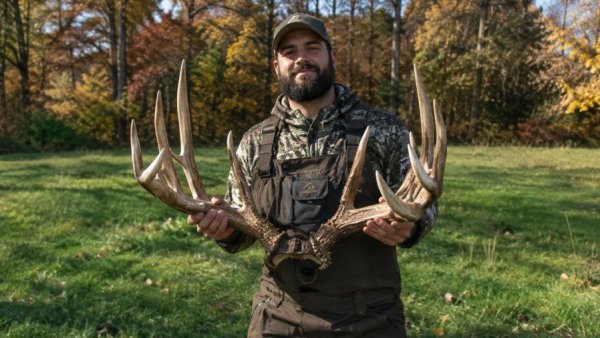
Hunter with deer antlers in Indiana park during hunting season.

The Thrill of Indiana's Unique Park Hunts

For many outdoor enthusiasts, hunting isn't just a pastime; it’s a way of life, a connection to nature that fosters both physical and mental well-being. Indiana's state park system caters to these adventurers with its unique draw hunts, which provide the rare chance to target whitetails in areas free from hunting pressure. This initiative not only promotes sustainable deer population management but also offers a serene escape into the stillness of nature. The state park program is especially popular due to its limited draw hunts, which occur in around 25 parks, allowing for only two-day hunts in most locations. This exclusive access means that hunters can have a less stressful experience, focusing more on the enjoyment of nature rather than competition with a large number of other hunters.

Mike Miltroka: A Hunter’s Journey

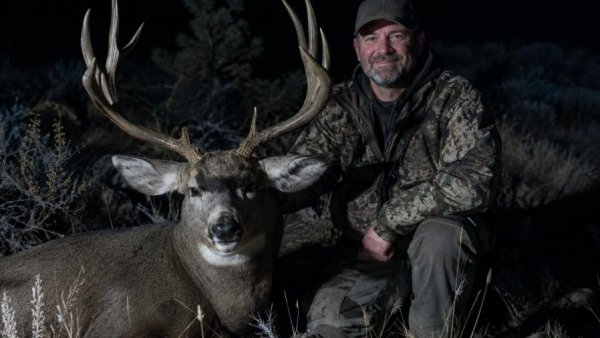
Meet Mike Miltroka, a 38-year-old long-haul truck driver from Farmland, Indiana. His recent adventure in the state park system led to a remarkable achievement—taking down a stunning 22-point nontypical buck scoring an impressive 227 inches. How did he do it? With careful scouting and a bit of luck, Miltroka prepared for his two-day hunt on November 16 and 17. Unlike many hunters, he utilized the advance scouting period wisely. “I checked the park the day before and found some promising spots,” he shared. This thoughtful approach, paired with local knowledge, emphasizes the importance of preparation in hunting, as well as in life. Knowing your environment can turn the odds in your favor, whether you're in a forest or just managing the daily challenges of health and wellness.

Practicing Patience: The Key to Success

Successful hunting often hinges on patience and a keen sense of environment. Miltroka illustrated this beautifully. On his first day, he managed to harvest two does with his Ruger American Generation II rifle chambered in 7mm PRC. “It was all about being in the right place at the right time,” he explains. The thrill of seeing deer shortly after daybreak added to his excitement, keeping him focused and alert. This speaks volumes about how maintaining a connection with nature can enhance one's well-being—offering both physical exercise and mental clarity. Being out in nature requires a level of awareness and engagement that often goes unnoticed in our busy daily lives. Whether it be through hunting, hiking, or simply enjoying a picnic, these moments serve to recharge us spiritually and physically.

From Opportunity to Awe: The Moment of Truth

On the second day, the stakes were high as Miltroka selected a different tree to re-enter his hunting strategy. Initially, he didn’t see much—only a coyote wandering through the trees—until around 8:30 AM, when fate intervened. “I heard something raking trees and just knew I had to stay calm. When I spotted the buck, I was filled with adrenaline,” he recalled. After a precise shot, the hunt turned into a jubilation of emotions as the sheer size of his catch left him in awe. “I’d never seen a deer so massive in my life!” This moment, underlining the connection between preparation and the unexpected, emphasizes that life often rewards those who wait and observe. Emotions like exhilaration and sometimes fear seem to blend in nature, reminding us of the significance surrounding the hunt—both in hunting and in pursuits of our well-being.

The Health Benefits of Hunting Beyond the Kill

While hunting is often defined by the goal of harvesting game, it also fosters essential life skills: patience, strategy, and respect for nature. For Miltroka, this experience transcended the mere act of hunting. He reveled in the calmness of the outdoors, which offered him a necessary respite from his busy trucking life. Engaging with nature helps reduce stress, enhance mental clarity, and boost physical health. These mental health benefits resonate deeply with home and health-conscious individuals across the MidSouth, aligning perfectly with contemporary trends in mental health awareness and the importance of outdoor activities. The physical aspect of hunting also involves hiking, climbing, and navigating difficult terrain, which contributes to overall fitness. It’s a comprehensive workout coupled with the opportunity to disconnect from technology and reconnect with oneself and nature.

Celebrating Indiana’s Wildlife Management

Indiana's draw hunt programs exemplify a strong commitment to wildlife management. Miltroka's successful hunt adds to a growing legacy of notable deer taken in the state, reminding us of the importance of sustainability and responsible hunting practices. The management efforts aim to not only offer recreational opportunities but also maintain a balance of wildlife populations in the area. With numerous deer being checked in, Indiana stands out as a state that balances recreation with conservation. This dedication speaks to the broader importance of responsible stewardship of our natural resources. Hunting within regulated settings ensures that ecosystems thrive while also offering hunting enthusiasts the thrill of the chase—and the rewards that come with it.

Conclusion: More Than Just a Hunt

As Mike Miltroka waited to check in his impressive catch, he aptly reflected on the thrill and the responsibilities tied to the sport, saying, “The park hunts are well run, with plenty of deer.” This sense of community and shared experience is what makes the hunt feel fulfilling beyond the kill. For those in the MidSouth contemplating a deeper connection with nature, hunting may indeed be one path worth exploring. One’s participation in such outdoor pursuits can lead to a healthier, happier life overall—combining fitness with mental well-being—and creating cherished memories along the way.

Next time you think about health and wellness, remember that engaging in outdoor activities, like hunting, can offer relief from the hustle and bustle of modern life while directly contributing to nature's conservation efforts. So kickstart your journey into nature and see where your next adventure leads you! Whether you’re hunting, hiking, or enjoying a quiet moment in your backyard, the importance of engaging with the outdoors cannot be understated. The choice to immerse yourself in the natural world offers long-lasting benefits for both your body and mind.
Outdoor Living & Curb Appeal

1 Views

0 Comments

Write A Comment

*
*
Please complete the captcha to submit your comment.
Related Posts All Posts
11.21.2026

Affordable Hardside Deer Hunting Blinds: Experience the Maverick XL-V

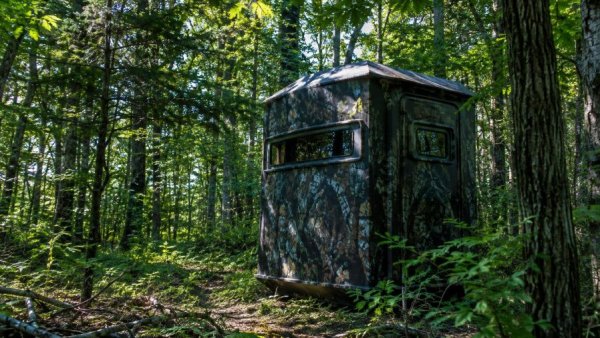
Update Discovering Affordable Deer Hunting Solutions As a homeowner in the MidSouth, you may feel torn between enjoying your outdoor pursuits and balancing your budget. If you're an avid hunter, the good news is that you don't need to break the bank to enjoy the advantages of a hardsided deer hunting blind. Recently, I stumbled upon the Maverick XL-V Blind, a model that delivers on quality without the premium price tag. The Maverick XL-V: A Game Changer for Deer Hunters The Maverick XL-V offers an impressive setup featuring a six-panel design that allows for almost a complete 360-degree view. This spacious blind is perfect for archery hunting, boasting large vertical windows that not only provide a great vantage point but also maintain utmost stealth. What makes it truly standout is its affordability; at about $1,500, it’s a fraction of the price of many other premium blinds on the market, making it a more accessible option for families and individuals looking to enjoy the great outdoors without sacrificing quality. Performance Meets Practicality This blind is designed to be transportable and easy to set up, eliminating the need for heavy machinery—a significant plus for those of us accustomed to doing things the old-fashioned way. My experience setting it up was pleasantly straightforward: despite receiving a door panel without the window initially, the overall assembly still proved to be efficient. It’s important for hunters to have easy maneuverability, especially when it comes to setting up in various locations across the MidSouth’s diverse terrains. The Maverick XL-V allows you to quickly adapt to your environment, whether you’re on private land or a public hunting ground. Quality Time Spent in Nature During the opening weekend of archery season, my girlfriend and I nested within the XL-V with several deer grazing within 20 yards. It was a magical moment; the blend of spacious comfort and effective concealment made it easy for us to wait patiently for our target buck. Creating a comfortable space with soft carpeting made our experience even more enjoyable, muffling noise and helping maintain warmth. Technology might seem detached, but sometimes, the simple act of spending time in nature can restore your spirit and strengthen your connection to the outdoors, especially in MidSouth regions where wildlife thrives. What Makes the Maverick XL-V Stand Out? In addition to its spacious design and striking affordability, the Maverick XL-V boasts a series of features that cater specifically to hunters' needs. The windows function on friction hinges, allowing for silent operation—essential for preventing detection by deer. Each window is large and easy to maneuver, paired with a door designed for effortless entry without self-conscious contortion. Imagine sitting there, observing the natural world unfold before your eyes, all while feeling at ease and undetected. A Blessing for Wildlife Observers While hunting often remains the primary intention behind utilizing a deer blind, it's also a fantastic tool for wildlife observation and appreciation. This blind allows you and your family to connect with nature in a way that aligns with MidSouth values—spending time outdoors while fostering a deeper understanding of wildlife interactions. Not to mention, the skills you develop in patience and strategy can translate into valuable life lessons. Every moment spent in this serene environment teaches respect for nature and highlights the importance of conservation—values that hold significant relevance for future generations. Affordability and Accessibility: Your Steps Toward Adventure As more families in the MidSouth delve into outdoor living, there’s a growing recognition of affordable options like the Maverick XL-V. This blind not only promotes an active lifestyle but encourages sustainable choices as you plant and cultivate food plots. The more we connect with our land, the more we ensure that future generations can relish the same experiences. Whether you’re indulging in a peaceful morning watching the sunrise or engaging in rigorous deer hunting practices, incorporating outdoor activities into your life has numerous mental health benefits, including reduced stress and improved mood. Creating Lasting Memories With the Maverick XL-V, you're not just investing in equipment; you're investing in memorable experiences. Perhaps you’ll introduce a child to hunting or gather friends for a weekend of bonding. These kinds of shared experiences can significantly enhance your relationships and bring families closer together. Plus, there’s an immeasurable thrill in teaching someone the skills of patience and persistence that are essential in both hunting and life. Get Started on Your Adventure Now! For those ready to invest in their hunting experience without emptying their wallets, I highly recommend exploring the Maverick XL-V. It truly enhances your hunting adventures while adhering to budget-friendly practices. After all, enhancing your lifestyle shouldn’t come with financial burdens. Embrace the opportunity to connect with nature in a way that nurtures both your health and spirit. If you’re looking to elevate your lifestyle while maintaining strong ties to nature, the Maverick XL-V may just be the perfect complement to your MidSouth living experience.

11.19.2026

A Rare Yellow Burbot Discovered: What This Means for MidSouth Homeowners

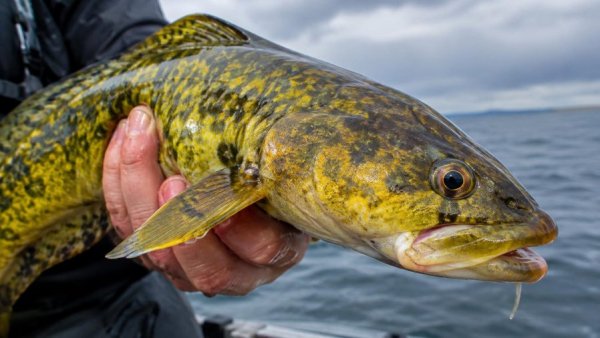
Update Unusual Find Raises Questions for Lake Ontario's Ecosystem What started as a routine invasive-species survey turned into a riveting ecological discovery in Lake Ontario. In October, a U.S. Fish and Wildlife Service survey team uncovered a rare yellow burbot at Oswego Harbor, igniting interest among researchers and environmentalists alike. This unique fish, known for its rarity, was found in a locale where burbot populations are already noted for their low numbers. The serendipitous catch highlights not only the importance of monitoring invasive species but also about the conservation of native species that play a crucial role in our ecosystems. Understanding Xanthochromism: A Colorful Genetic Journey The yellow burbot's striking appearance is due to a genetic condition known as xanthochromism, which alters the pigmentation of the fish to render it a vivid yellow or orange. While this coloring might catch the eye of fishermen, it poses challenges for the fish, making it easier prey in its natural habitat. Unlike common albinism, which is often characterized by a complete lack of melanin, xanthochromism leads to an abnormal concentration of yellow pigments. This condition, while not as common as albinism, has been documented in various species over time, showcasing the ongoing diversity and mutations found in nature. Notably, fish with such genetic variations often exhibit diminished survival rates due to increased visibility to predators. The Broader Implications of Invasive Species As the survey aims to detect invasive species throughout the Great Lakes system, the finding of the yellow burbot underscores the need for ongoing research and monitoring. The introduction of invasive species can disrupt local ecosystems—not just for fish but also for the broader array of wildlife living in and around the lake. This is particularly pertinent for homeowners who live near these waterways, as changes in local fish populations can affect water quality and the overall health of the ecosystem. Engaging with this topic can lead to better understanding and protective measures for both environment and health. Lessons for Local Residents: What This Means for Your Health and Environment Understanding the dynamics of local ecosystems is essential not just for fish enthusiasts but for homeowners as well. The health of Lake Ontario and its species is intricately tied to the wellness of the surrounding areas. Homeowners often overlook the impact of local wildlife and natural environmental shifts on their properties. As shifts in fish populations can indicate broader environmental changes, residents are encouraged to consider how local ecosystems affect their health and wellness. This relationship can be direct, such as through water quality impacted by the fish populations, or indirect, like how the overall health of Lake Ontario affects recreational activities and property values in surrounding areas. Connection to Sustainable Living Embracing a lifestyle that recognizes the importance of nature contributes to a healthier community. The findings from the invasive species survey can inspire homeowners to engage more deeply with sustainable living efforts. Simple actions, like being mindful of water usage and supporting local conservation initiatives, can help preserve the health of lakes like Ontario. Opting for native plants in landscaping, reducing chemical runoff through responsible gardening, and using eco-friendly products can also contribute to a more balanced ecosystem. Such initiatives not only sustain local wildlife but also enhance your property’s value by promoting environmental health. How Homeowners Can Get Involved There are several actionable insights for homeowners looking to contribute positively to their environment. Participating in local cleanup efforts, maintaining proper waste disposal to prevent runoff, and advocating for policies that protect local wildlife habitat are all effective ways to engage. Additionally, homeowners can adopt water-efficient practices to mitigate the strain on local waterways. Involving families in ecology-friendly home projects or community gardening can be instrumental in fostering a sense of sustainability. Educating families on the importance of ecosystems and conservation can inspire a new generation of conservationists, creating a solid foundation for future environmental stewardship. The Bright Side: Educational Opportunities The discovery of the yellow burbot also serves as an excellent educational opportunity. Schools and community organizations can leverage the story of this rare find to inform children and adults alike about biodiversity and the need for environmental stewardship. Such initiatives can build a stronger connection to the lake, fostering a sense of responsibility toward local natural resources. Workshops, guided nature walks, and community science projects can turn this unexpected find into a catalyst for greater awareness about the significance of ecosystems, showcasing how connectivity with nature can enhance our quality of life. In conclusion, while the yellow burbot may be a rare sight, its discovery sheds light on crucial environmental discussions. As we learn more about the intersecting relationship between our health and our environment, it's imperative for all to become stewards of nature. Homeowners in the MidSouth, including those living near Lake Ontario, can take an active role in promoting healthy ecosystems that serve both their communities and local wildlife. By understanding the implications of such discoveries, homeowners can be champions for wellness—both for their families and the ecosystems surrounding them. Embrace these insights, recognize the impact of your actions on the environment, and consider how they can help you foster a more sustainable and healthy lifestyle.

11.18.2026

Why You Should Never Underestimate Mule Deer: Nature's Resilient Survivor

Update Understanding the Resilience of Mule Deer Mule deer are perhaps one of the most emblematic wild animals of the Western United States, thrilling outdoor enthusiasts with their unique habits and striking beauty. These creatures, while often overshadowed by their more populous relatives, the whitetails and elk, boast intriguing features and complex behaviors. Observing mule deer in their natural habitat can be a rewarding experience, especially for homeowners in the MidSouth who have an appreciation for wildlife and the outdoors. The majestic presence of these creatures can truly enhance the beauty and tranquility of suburban and rural landscapes alike. Why Mule Deer Have a Special Place in Our Ecosystem The importance of mule deer in ecological balance cannot be overstated. While they face significant challenges, including habitat loss and competitive pressures, they have adapted remarkably well to suburban environments. This adaptability is vital, as it allows these deer populations to thrive even in less than ideal conditions, further enriching the natural landscape around us and offering moments of connection with nature. Their foraging habits can also benefit local ecosystems, as they help control vegetation growth and promote biodiversity. Health and Wellness: The Comfort of Nature As homeowners, taking the time to appreciate wildlife can provide significant mental health benefits. Watching these magnificent animals can be a form of therapeutic escapism, granting the chance to unwind from daily stresses and reconnect with nature. Studies show spending time outdoors promotes psychological well-being, alleviating symptoms of anxiety and depression. The gentle presence of mule deer wandering through neighborhoods or parks can actually bolster community spirit and enhance our relationships with nature. Connecting with wildlife, especially in familiar settings, deepens our appreciation for the simplicity and beauty of life around us. Lessons from Mule Deer: Persistence and Survival Much like the challenges we face in life, mule deer present a narrative of perseverance. Consider an instance when a wounded buck in Montana continued to pursue its natural instincts, even when facing near certain death. This story reminds us that resilience and determination, even in tough times, can lead to unexpected successes. For homeowners aiming for healthier lifestyles, adopting a mindset of perseverance, much like the mule deer, can inspire us to overcome obstacles in our own lives. Every struggle can be viewed as an opportunity to grow stronger, adapt, and thrive despite the challenges that may come our way. Protecting Our Wildlife: A Community Effort It’s important for communities to take an active role in protecting wildlife habitats, ensuring that these inspiring creatures continue to thrive. By advocating for local conservation efforts, planting native vegetation, and minimizing human impact, homeowners can contribute to a healthier ecosystem. For example, creating deer-friendly gardens with natural food sources can help support local wildlife, while reducing chemical usage to promote cleaner soil and water. Participation in local environmental initiatives not only supports wildlife but fosters community relationships, creating a ripple effect that uplifts and inspires everyone involved. Events like community clean-ups or wildlife workshops can enhance awareness and engagement among residents, leading to a more vibrant coexistence with nature. Engaging with Nature: A Practical Guide for Homeowners Integrating aspects of natural living into one’s home can create a balanced and peaceful environment. Simple steps like creating a wildlife-friendly garden, minimizing chemical use, and incorporating sustainable practices can enhance not just our living spaces but also encourage wildlife like mule deer to coexist harmoniously with us. For instance, homeowners can plant native species that provide food and shelter for deer while also attracting other beneficial wildlife such as birds and pollinators. Another effective strategy is managing outdoor lighting to reduce disturbances for nocturnal species. Furthermore, incorporating natural landscaping not only makes for an attractive aesthetic but also helps to preserve local water sources and minimize runoff. Homeowners could also join or form local community groups focused on wildlife protection, where they can share knowledge and participate in collective efforts to safeguard local habitats. Understanding the Challenges Ahead Mule deer, like many wildlife species, face ongoing threats such as habitat destruction due to urban development or agriculture, climate change, and diseases. Understanding these challenges can empower homeowners to take action. Staying informed about local conservation issues and participating in advocacy efforts can lead to more effective measures in protecting wildlife. This engagement helps ensure not only that mule deer continue to thrive but also that future generations are able to appreciate their presence and the rich biodiversity they represent. Final Thoughts: Take Action for Our Environment Mule deer represent not only the wilderness they inhabit but also the layered stories of survival, adaptation, and resilience. For homeowners interested in maintaining their health, wellness, and living harmoniously with nature, taking action to protect these magnificent animals and their habitats is essential. Each small decision—like how we landscape our yards, what we plant, and how we engage with conservation efforts—can lead to significant outcomes for local ecosystems. Embrace opportunities to learn more about your local environment, and consider how you can positively impact your surroundings and the wildlife with which we share our homes. By fostering a culture of respect and responsibility towards nature, we pave the way for healthier ecosystems and happier communities.

Your daily dose of Mid‑South lifestyle—wellness, home, travel, and local living.

COMPANY

  • Privacy Policy
  • Terms of Use
  • Advertise
  • Contact Us
  • Menu 5
  • Menu 6

Memphis, TN

ABOUT US

Midsouth Life highlights the people, places, and stories that make the Mid-South special. From local events and small business spotlights to home and wellness tips, we bring you the best of life in the Mid-South—authentic, uplifting, and always local.

© 2026 Local Unleashed All Rights Reserved. 3943 N US Highway 93, Mackay, ID 83251 . Contact Us . Terms of Service . Privacy Policy

eyJjb21wYW55IjoiTG9jYWwgVW5sZWFzaGVkIiwiYWRkcmVzcyI6IjM5NDMgTiBVUyBIaWdod2F5IDkzIiwiY2l0eSI6Ik1hY2theSIsInN0YXRlIjoiSUQiLCJ6aXAiOiI4MzI1MSIsImVtYWlsIjoiamF5eW91bmczNDBAZ21haWwuY29tIiwidG9zIjoiUEhBK1BITjBjbTl1Wno0OFpXMCtWMmhsYmlCNWIzVWdjMmxuYmkxcGJpQjNhWFJvSUhWekxDQjViM1VnWVhKbElHZHBkbWx1WnladVluTndPeUI1YjNWeUlIQmxjbTFwYzNOcGIyNGdZVzVrSUdOdmJuTmxiblFnZEc4Z2MyVnVaQ0I1YjNVZ1pXMWhhV3dnWVc1a0wyOXlJRk5OVXlCMFpYaDBJRzFsYzNOaFoyVnpMaUJDZVNCamFHVmphMmx1WnlCMGFHVWdWR1Z5YlhNZ1lXNWtJRU52Ym1ScGRHbHZibk1nWW05NElHRnVaQ0JpZVNCemFXZHVhVzVuSUdsdUlIbHZkU0JoZFhSdmJXRjBhV05oYkd4NUlHTnZibVpwY20wZ2RHaGhkQ0I1YjNVZ1lXTmpaWEIwSUdGc2JDQjBaWEp0Y3lCcGJpQjBhR2x6SUdGbmNtVmxiV1Z1ZEM0OEwyVnRQand2YzNSeWIyNW5Qand2Y0Q0S0NqeHdQanhoSUdoeVpXWTlJbWgwZEhBNkx5OTNkM2N1WjI5dloyeGxMbU52YlNJK2FIUjBjRG92TDNkM2R5NW5iMjluYkdVdVkyOXRQQzloUGp3dmNENEtDanh3UGladVluTndPend2Y0Q0S0NqeHdQanh6ZEhKdmJtYytVMFZTVmtsRFJUd3ZjM1J5YjI1blBqd3ZjRDRLQ2p4d1BsZGxJSEJ5YjNacFpHVWdZU0J6WlhKMmFXTmxJSFJvWVhRZ1kzVnljbVZ1ZEd4NUlHRnNiRzkzY3lCNWIzVWdkRzhnY21WalpXbDJaU0J5WlhGMVpYTjBjeUJtYjNJZ1ptVmxaR0poWTJzc0lHTnZiWEJoYm5rZ2FXNW1iM0p0WVhScGIyNHNJSEJ5YjIxdmRHbHZibUZzSUdsdVptOXliV0YwYVc5dUxDQmpiMjF3WVc1NUlHRnNaWEowY3l3Z1kyOTFjRzl1Y3l3Z1pHbHpZMjkxYm5SeklHRnVaQ0J2ZEdobGNpQnViM1JwWm1sallYUnBiMjV6SUhSdklIbHZkWElnWlcxaGFXd2dZV1JrY21WemN5QmhibVF2YjNJZ1kyVnNiSFZzWVhJZ2NHaHZibVVnYjNJZ1pHVjJhV05sTGlCWmIzVWdkVzVrWlhKemRHRnVaQ0JoYm1RZ1lXZHlaV1VnZEdoaGRDQjBhR1VnVTJWeWRtbGpaU0JwY3lCd2NtOTJhV1JsWkNBbWNYVnZkRHRCVXkxSlV5WnhkVzkwT3lCaGJtUWdkR2hoZENCM1pTQmhjM04xYldVZ2JtOGdjbVZ6Y0c5dWMybGlhV3hwZEhrZ1ptOXlJSFJvWlNCMGFXMWxiR2x1WlhOekxDQmtaV3hsZEdsdmJpd2diV2x6TFdSbGJHbDJaWEo1SUc5eUlHWmhhV3gxY21VZ2RHOGdjM1J2Y21VZ1lXNTVJSFZ6WlhJZ1kyOXRiWFZ1YVdOaGRHbHZibk1nYjNJZ2NHVnljMjl1WVd4cGVtRjBhVzl1SUhObGRIUnBibWR6TGp3dmNENEtDanh3UGxsdmRTQmhjbVVnY21WemNHOXVjMmxpYkdVZ1ptOXlJRzlpZEdGcGJtbHVaeUJoWTJObGMzTWdkRzhnZEdobElGTmxjblpwWTJVZ1lXNWtJSFJvWVhRZ1lXTmpaWE56SUcxaGVTQnBiblp2YkhabElIUm9hWEprSUhCaGNuUjVJR1psWlhNZ0tITjFZMmdnWVhNZ1UwMVRJSFJsZUhRZ2JXVnpjMkZuWlhNc0lFbHVkR1Z5Ym1WMElITmxjblpwWTJVZ2NISnZkbWxrWlhJZ2IzSWdZMlZzYkhWc1lYSWdZV2x5ZEdsdFpTQmphR0Z5WjJWektTNGdXVzkxSUdGeVpTQnlaWE53YjI1emFXSnNaU0JtYjNJZ2RHaHZjMlVnWm1WbGN5d2dhVzVqYkhWa2FXNW5JSFJvYjNObElHWmxaWE1nWVhOemIyTnBZWFJsWkNCM2FYUm9JSFJvWlNCa2FYTndiR0Y1SUc5eUlHUmxiR2wyWlhKNUlHOW1JR1ZoWTJnZ1UwMVRJSFJsZUhRZ2JXVnpjMkZuWlNCelpXNTBJSFJ2SUhsdmRTQmllU0IxY3k0Z1NXNGdZV1JrYVhScGIyNHNJSGx2ZFNCdGRYTjBJSEJ5YjNacFpHVWdZVzVrSUdGeVpTQnlaWE53YjI1emFXSnNaU0JtYjNJZ1lXeHNJR1Z4ZFdsd2JXVnVkQ0J1WldObGMzTmhjbmtnZEc4Z1lXTmpaWE56SUhSb1pTQlRaWEoyYVdObElHRnVaQ0J5WldObGFYWmxJSFJvWlNCVFRWTWdkR1Y0ZENCdFpYTnpZV2RsY3k0Z1YyVWdaRzhnYm05MElHTm9ZWEpuWlNCaGJua2dabVZsY3lCbWIzSWdaR1ZzYVhabGNua2diMllnWlcxaGFXd2diM0lnVTAxVExpQlVhR2x6SUdseklHRWdabkpsWlNCelpYSjJhV05sSUhCeWIzWnBaR1ZrSUdKNUlIVnpMaUJJYjNkbGRtVnlMQ0J3YkdWaGMyVWdZMmhsWTJzZ2QybDBhQ0I1YjNWeUlHbHVkR1Z5Ym1WMElITmxjblpwWTJVZ2NISnZkbWxrWlhJZ1lXNWtJR05sYkd4MWJHRnlJR05oY25KcFpYSWdabTl5SUdGdWVTQmphR0Z5WjJWeklIUm9ZWFFnYldGNUlHbHVZM1Z5SUdGeklHRWdjbVZ6ZFd4MElHWnliMjBnY21WalpXbDJhVzVuSUdWdFlXbHNJR0Z1WkNCVFRWTWdkR1Y0ZENCdFpYTnpZV2RsY3lCMGFHRjBJSGRsSUdSbGJHbDJaWElnZFhCdmJpQjViM1Z5SUc5d2RDMXBiaUJoYm1RZ2NtVm5hWE4wY21GMGFXOXVJSGRwZEdnZ2IzVnlJR1Z0WVdsc0lHRnVaQ0JUVFZNZ2MyVnlkbWxqWlhNdUlGbHZkU0JqWVc0Z1kyRnVZMlZzSUdGMElHRnVlU0IwYVcxbExpQktkWE4wSUhSbGVIUWdKbkYxYjNRN1UxUlBVQ1p4ZFc5ME95QjBieVp1WW5Od096eG9hV2RvYkdsbmFIUWdZMnhoYzNNOUltTnZiWEJoYm5sVFRWTlFhRzl1WlZWd1pHRjBaU0krYm5Wc2JEd3ZhR2xuYUd4cFoyaDBQaTRnUVdaMFpYSWdlVzkxSUhObGJtUWdkR2hsSUZOTlV5QnRaWE56WVdkbElDWnhkVzkwTzFOVVQxQW1jWFZ2ZERzZ2RHOGdkWE1zSUhkbElIZHBiR3dnYzJWdVpDQjViM1VnWVc0Z1UwMVRJRzFsYzNOaFoyVWdkRzhnWTI5dVptbHliU0IwYUdGMElIbHZkU0JvWVhabElHSmxaVzRnZFc1emRXSnpZM0pwWW1Wa0xpQkJablJsY2lCMGFHbHpMQ0I1YjNVZ2QybHNiQ0J1YnlCc2IyNW5aWElnY21WalpXbDJaU0JUVFZNZ2JXVnpjMkZuWlhNZ1puSnZiU0IxY3k0OEwzQStDZ284Y0Q0OGMzUnliMjVuUGxsUFZWSWdVa1ZIU1ZOVVVrRlVTVTlPSUU5Q1RFbEhRVlJKVDA1VFBDOXpkSEp2Ym1jK1BDOXdQZ29LUEhBK1NXNGdZMjl1YzJsa1pYSmhkR2x2YmlCdlppQjViM1Z5SUhWelpTQnZaaUIwYUdVZ1UyVnlkbWxqWlN3Z2VXOTFJR0ZuY21WbElIUnZPand2Y0Q0S0NqeHZiRDRLQ1R4c2FUNXdjbTkyYVdSbElIUnlkV1VzSUdGalkzVnlZWFJsTENCamRYSnlaVzUwSUdGdVpDQmpiMjF3YkdWMFpTQnBibVp2Y20xaGRHbHZiaUJoWW05MWRDQjViM1Z5YzJWc1ppQmhjeUJ3Y205dGNIUmxaQ0JpZVNCMGFHVWdVMlZ5ZG1salpTWWpNems3Y3lCeVpXZHBjM1J5WVhScGIyNGdabTl5YlNBb2MzVmphQ0JwYm1admNtMWhkR2x2YmlCaVpXbHVaeUIwYUdVZ0puRjFiM1E3VW1WbmFYTjBjbUYwYVc5dUlFUmhkR0VtY1hWdmREc3BJR0Z1WkR3dmJHaytDZ2s4YkdrK2JXRnBiblJoYVc0Z1lXNWtJSEJ5YjIxd2RHeDVJSFZ3WkdGMFpTQjBhR1VnVW1WbmFYTjBjbUYwYVc5dUlFUmhkR0VnZEc4Z2EyVmxjQ0JwZENCMGNuVmxMQ0JoWTJOMWNtRjBaU3dnWTNWeWNtVnVkQ0JoYm1RZ1kyOXRjR3hsZEdVdUlFbG1JSGx2ZFNCd2NtOTJhV1JsSUdGdWVTQnBibVp2Y20xaGRHbHZiaUIwYUdGMElHbHpJSFZ1ZEhKMVpTd2dhVzVoWTJOMWNtRjBaU3dnYm05MElHTjFjbkpsYm5RZ2IzSWdhVzVqYjIxd2JHVjBaU3dnYjNJZ2QyVWdhR0YyWlNCeVpXRnpiMjVoWW14bElHZHliM1Z1WkhNZ2RHOGdjM1Z6Y0dWamRDQjBhR0YwSUhOMVkyZ2dhVzVtYjNKdFlYUnBiMjRnYVhNZ2RXNTBjblZsTENCcGJtRmpZM1Z5WVhSbExDQnViM1FnWTNWeWNtVnVkQ0J2Y2lCcGJtTnZiWEJzWlhSbExDQjNaU0JvWVhabElIUm9aU0J5YVdkb2RDQjBieUJ6ZFhOd1pXNWtJRzl5SUR4emRISnZibWMrUEhOd1lXNGdjM1I1YkdVOUltTnZiRzl5T2lOR1JqQXdNREE3SWo1MFpYSnRhVzVoZEdVZ2VXOTFjaUJoWTJOdmRXNTBMM0J5YjJacGJHVWdZVzVrSUhKbFpuVnpaU0JoYm5rZ1lXNWtJR0ZzYkNCamRYSnlaVzUwSUc5eUlHWjFkSFZ5WlNCMWMyVWdiMllnZEdobElGTmxjblpwWTJVZ0tHOXlJR0Z1ZVNCd2IzSjBhVzl1SUhSb1pYSmxiMllwTGp3dmMzQmhiajQ4TDNOMGNtOXVaejQ4TDJ4cFBnbzhMMjlzUGdvS1BIQStKbTVpYzNBN1BDOXdQZ284YUdsbmFHeHBaMmgwSUdOc1lYTnpQU0pqYjIxd1lXNTVUbUZ0WlZWd1pHRjBaU0krVEc5allXd2dWVzVzWldGemFHVmtQQzlvYVdkb2JHbG5hSFErUEdKeUlDOCtDanhvYVdkb2JHbG5hSFFnWTJ4aGMzTTlJbU52YlhCaGJubEJaR1J5WlhOelZYQmtZWFJsSWo0ek9UUXpJRTRnVlZNZ1NHbG5hSGRoZVNBNU15d2dUV0ZqYTJGNUxDQkpSQ0E0TXpJMU1Ud3ZhR2xuYUd4cFoyaDBQanhpY2lBdlBnbzhhR2xuYUd4cFoyaDBJR05zWVhOelBTSmpiMjF3WVc1NVVHaHZibVZWY0dSaGRHVWlQamt3TVRZME56VTJPREU4TDJocFoyaHNhV2RvZEQ0OFluSWdMejRLUEdocFoyaHNhV2RvZENCamJHRnpjejBpWTI5dGNHRnVlVVZ0WVdsc1ZYQmtZWFJsSWo1cVlYbDViM1Z1WnpNME1FQm5iV0ZwYkM1amIyMDhMMmhwWjJoc2FXZG9kRDQ9IiwicHJpdmFjeSI6IlBIQStQSE4wY205dVp6NVFVa2xXUVVOWlBDOXpkSEp2Ym1jK1BDOXdQZ29LUEhBK1BITjBjbTl1Wno1VWFHVWdhVzVtYjNKdFlYUnBiMjRnY0hKdmRtbGtaV1FnWkhWeWFXNW5JSFJvYVhNZ2NtVm5hWE4wY21GMGFXOXVJR2x6SUd0bGNIUWdjSEpwZG1GMFpTQmhibVFnWTI5dVptbGtaVzUwYVdGc0xDQmhibVFnZDJsc2JDQnVaWFpsY2lCaVpTQmthWE4wY21saWRYUmxaQ3dnWTI5d2FXVmtMQ0J6YjJ4a0xDQjBjbUZrWldRZ2IzSWdjRzl6ZEdWa0lHbHVJR0Z1ZVNCM1lYa3NJSE5vWVhCbElHOXlJR1p2Y20wdUlGUm9hWE1nYVhNZ2IzVnlJR2QxWVhKaGJuUmxaUzQ4TDNOMGNtOXVaejQ4TDNBK0NnbzhjRDQ4YzNSeWIyNW5Qa2xPUkVWTlRrbFVXVHd2YzNSeWIyNW5Qand2Y0Q0S0NqeHdQanhsYlQ1WmIzVWdZV2R5WldVZ2RHOGdhVzVrWlcxdWFXWjVJR0Z1WkNCb2IyeGtJSFZ6TENCaGJtUWdhWFJ6SUhOMVluTnBaR2xoY21sbGN5d2dZV1ptYVd4cFlYUmxjeXdnYjJabWFXTmxjbk1zSUdGblpXNTBjeXdnWTI4dFluSmhibVJsY25NZ2IzSWdiM1JvWlhJZ2NHRnlkRzVsY25Nc0lHRnVaQ0JsYlhCc2IzbGxaWE1zSUdoaGNtMXNaWE56SUdaeWIyMGdZVzU1SUdOc1lXbHRJRzl5SUdSbGJXRnVaQ3dnYVc1amJIVmthVzVuSUhKbFlYTnZibUZpYkdVZ1lYUjBiM0p1WlhsekppTXpPVHNnWm1WbGN5d2diV0ZrWlNCaWVTQmhibmtnZEdocGNtUWdjR0Z5ZEhrZ1pIVmxJSFJ2SUc5eUlHRnlhWE5wYm1jZ2IzVjBJRzltSUVOdmJuUmxiblFnZVc5MUlISmxZMlZwZG1Vc0lITjFZbTFwZEN3Z2NtVndiSGtzSUhCdmMzUXNJSFJ5WVc1emJXbDBJRzl5SUcxaGEyVWdZWFpoYVd4aFlteGxJSFJvY205MVoyZ2dkR2hsSUZObGNuWnBZMlVzSUhsdmRYSWdkWE5sSUc5bUlIUm9aU0JUWlhKMmFXTmxMQ0I1YjNWeUlHTnZibTVsWTNScGIyNGdkRzhnZEdobElGTmxjblpwWTJVc0lIbHZkWElnZG1sdmJHRjBhVzl1SUc5bUlIUm9aU0JVVDFNc0lHOXlJSGx2ZFhJZ2RtbHZiR0YwYVc5dUlHOW1JR0Z1ZVNCeWFXZG9kSE1nYjJZZ1lXNXZkR2hsY2k0OEwyVnRQand2Y0Q0S0NqeHdQanh6ZEhKdmJtYytSRWxUUTB4QlNVMUZVaUJQUmlCWFFWSlNRVTVVU1VWVFBDOXpkSEp2Ym1jK1BDOXdQZ29LUEhBK1BITjBjbTl1Wno1WlQxVWdSVmhRVWtWVFUweFpJRlZPUkVWU1UxUkJUa1FnUVU1RUlFRkhVa1ZGSUZSSVFWUTZQQzl6ZEhKdmJtYytQQzl3UGdvS1BHOXNQZ29KUEd4cFBsbFBWVklnVlZORklFOUdJRlJJUlNCVFJWSldTVU5GSUVsVElFRlVJRmxQVlZJZ1UwOU1SU0JTU1ZOTExpQlVTRVVnVTBWU1ZrbERSU0JKVXlCUVVrOVdTVVJGUkNCUFRpQkJUaUFtY1hWdmREdEJVeUJKVXlaeGRXOTBPeUJCVGtRZ0puRjFiM1E3UVZNZ1FWWkJTVXhCUWt4RkpuRjFiM1E3SUVKQlUwbFRMaUFzTGlCQlRrUWdWVk1zSUVsVUppTXpPVHRUSUVOVlUxUlBUVVZTVXl3Z1JWaFFVa1ZUVTB4WklFUkpVME5NUVVsTlV5QkJURXdnVjBGU1VrRk9WRWxGVXlCUFJpQkJUbGtnUzBsT1JDd2dWMGhGVkVoRlVpQkZXRkJTUlZOVElFOVNJRWxOVUV4SlJVUXNJRWxPUTB4VlJFbE9SeXdnUWxWVUlFNVBWQ0JNU1UxSlZFVkVJRlJQSUZSSVJTQkpUVkJNU1VWRUlGZEJVbEpCVGxSSlJWTWdUMFlnVFVWU1EwaEJUbFJCUWtsTVNWUlpMQ0JHU1ZST1JWTlRJRVpQVWlCQklGQkJVbFJKUTFWTVFWSWdVRlZTVUU5VFJTQkJUa1FnVGs5T0xVbE9SbEpKVGtkRlRVVk9WQzQ4TDJ4cFBnb0pQR3hwUGsxQlMwVlRJRTVQSUZkQlVsSkJUbFJaSUZSSVFWUWdLR2twSUZSSVJTQlRSVkpXU1VORklGZEpURXdnVFVWRlZDQlpUMVZTSUZKRlVWVkpVa1ZOUlU1VVV5d2dLR2xwS1NCVVNFVWdVMFZTVmtsRFJTQlhTVXhNSUVKRklGVk9TVTVVUlZKU1ZWQlVSVVFzSUZSSlRVVk1XU3dnVTBWRFZWSkZMQ0JQVWlCRlVsSlBVaTFHVWtWRkxDQW9hV2xwS1NCVVNFVWdVa1ZUVlV4VVV5QlVTRUZVSUUxQldTQkNSU0JQUWxSQlNVNUZSQ0JHVWs5TklGUklSU0JWVTBVZ1QwWWdWRWhGSUZORlVsWkpRMFVnVjBsTVRDQkNSU0JCUTBOVlVrRlVSU0JQVWlCU1JVeEpRVUpNUlN3Z1FVNUVJQ2hwZGlrZ1FVNVpJRVZTVWs5U1V5QkpUaUJVU0VVZ1UwOUdWRmRCVWtVZ1YwbE1UQ0JDUlNCRFQxSlNSVU5VUlVRdVBDOXNhVDRLQ1R4c2FUNUJUbGtnVFVGVVJWSkpRVXdnUkU5WFRreFBRVVJGUkNCUFVpQlBWRWhGVWxkSlUwVWdUMEpVUVVsT1JVUWdWRWhTVDFWSFNDQlVTRVVnVlZORklFOUdJRlJJUlNCVFJWSldTVU5GSUVsVElFUlBUa1VnUVZRZ1dVOVZVaUJQVjA0Z1JFbFRRMUpGVkVsUFRpQkJUa1FnVWtsVFN5QkJUa1FnVkVoQlZDQlpUMVVnVjBsTVRDQkNSU0JUVDB4RlRGa2dVa1ZUVUU5T1UwbENURVVnUms5U0lFRk9XU0JFUVUxQlIwVWdWRThnV1U5VlVpQkRUMDFRVlZSRlVpQlRXVk5VUlUwZ1QxSWdURTlUVXlCUFJpQkVRVlJCSUZSSVFWUWdVa1ZUVlV4VVV5QkdVazlOSUZSSVJTQkVUMWRPVEU5QlJDQlBSaUJCVGxrZ1UxVkRTQ0JOUVZSRlVrbEJUQzQ4TDJ4cFBnb0pQR3hwUGs1UElFRkVWa2xEUlNCUFVpQkpUa1pQVWsxQlZFbFBUaXdnVjBoRlZFaEZVaUJQVWtGTUlFOVNJRmRTU1ZSVVJVNHNJRTlDVkVGSlRrVkVJRUpaSUZsUFZTQkdVazlOSUU5U0lGUklVazlWUjBnZ1QxSWdSbEpQVFNCVVNFVWdVMFZTVmtsRFJTQlRTRUZNVENCRFVrVkJWRVVnUVU1WklGZEJVbEpCVGxSWklFNVBWQ0JGV0ZCU1JWTlRURmtnVTFSQlZFVkVJRWxPSUZSSVJTQlVUMU11UEM5c2FUNEtQQzl2YkQ0S0NqeHdQanh6ZEhKdmJtYytURWxOU1ZSQlZFbFBUaUJQUmlCTVNVRkNTVXhKVkZrOEwzTjBjbTl1Wno0OEwzQStDZ284Y0Q1WlQxVWdSVmhRVWtWVFUweFpJRlZPUkVWU1UxUkJUa1FnUVU1RUlFRkhVa1ZGSUZSSVFWUWdRVTVFSUZOSVFVeE1JRTVQVkNCQ1JTQk1TVUZDVEVVZ1JrOVNJRUZPV1NCRVNWSkZRMVFzSUVsT1JFbFNSVU5VTENCSlRrTkpSRVZPVkVGTUxDQlRVRVZEU1VGTUxDQkRUMDVUUlZGVlJVNVVTVUZNSUU5U0lFVllSVTFRVEVGU1dTQkVRVTFCUjBWVExDQkpUa05NVlVSSlRrY2dRbFZVSUU1UFZDQk1TVTFKVkVWRUlGUlBMQ0JFUVUxQlIwVlRJRVpQVWlCTVQxTlRJRTlHSUZCU1QwWkpWRk1zSUVkUFQwUlhTVXhNTENCVlUwVXNJRVJCVkVFZ1QxSWdUMVJJUlZJZ1NVNVVRVTVIU1VKTVJTQk1UMU5UUlZNZ0tFVldSVTRnU1VZZ1NFRlRJRUpGUlU0Z1FVUldTVk5GUkNCUFJpQlVTRVVnVUU5VFUwbENTVXhKVkZrZ1QwWWdVMVZEU0NCRVFVMUJSMFZUS1N3Z1VrVlRWVXhVU1U1SElFWlNUMDA2UEM5d1Bnb0tQRzlzUGdvSlBHeHBQbFJJUlNCVlUwVWdUMUlnVkVoRklFbE9RVUpKVEVsVVdTQlVUeUJWVTBVZ1ZFaEZJRk5GVWxaSlEwVTdQQzlzYVQ0S0NUeHNhVDVVU0VVZ1EwOVRWQ0JQUmlCUVVrOURWVkpGVFVWT1ZDQlBSaUJUVlVKVFZFbFVWVlJGSUVkUFQwUlRJRUZPUkNCVFJWSldTVU5GVXlCU1JWTlZURlJKVGtjZ1JsSlBUU0JCVGxrZ1IwOVBSRk1zSUVSQlZFRXNJRWxPUms5U1RVRlVTVTlPSUU5U0lGTkZVbFpKUTBWVElGQlZVa05JUVZORlJDQlBVaUJQUWxSQlNVNUZSQ0JQVWlCTlJWTlRRVWRGVXlCU1JVTkZTVlpGUkNCUFVpQlVVa0ZPVTBGRFZFbFBUbE1nUlU1VVJWSkZSQ0JKVGxSUElGUklVazlWUjBnZ1QxSWdSbEpQVFNCVVNFVWdVMFZTVmtsRFJUczhMMnhwUGdvSlBHeHBQbFZPUVZWVVNFOVNTVnBGUkNCQlEwTkZVMU1nVkU4Z1QxSWdRVXhVUlZKQlZFbFBUaUJQUmlCWlQxVlNJRlJTUVU1VFRVbFRVMGxQVGxNZ1QxSWdSRUZVUVRzOEwyeHBQZ29KUEd4cFBsTlVRVlJGVFVWT1ZGTWdUMUlnUTA5T1JGVkRWQ0JQUmlCQlRsa2dWRWhKVWtRZ1VFRlNWRmtnVDA0Z1ZFaEZJRk5GVWxaSlEwVTdJRTlTUEM5c2FUNEtDVHhzYVQ1QlRsa2dUMVJJUlZJZ1RVRlVWRVZTSUZKRlRFRlVTVTVISUZSUElGUklSU0JUUlZKV1NVTkZMand2YkdrK0Nqd3ZiMncrQ2dvOGNENDhkVDVDZVNCeVpXZHBjM1JsY21sdVp5QmhibVFnYzNWaWMyTnlhV0pwYm1jZ2RHOGdiM1Z5SUdWdFlXbHNJR0Z1WkNCVFRWTWdjMlZ5ZG1salpTd2dZbmtnYjNCMExXbHVMQ0J2Ym14cGJtVWdjbVZuYVhOMGNtRjBhVzl1SUc5eUlHSjVJR1pwYkd4cGJtY2diM1YwSUdFZ1kyRnlaQ3dnSm5GMWIzUTdlVzkxSUdGbmNtVmxJSFJ2SUhSb1pYTmxJRlJGVWsxVElFOUdJRk5GVWxaSlEwVW1jWFZ2ZERzZ1lXNWtJSGx2ZFNCaFkydHViM2RzWldSblpTQmhibVFnZFc1a1pYSnpkR0Z1WkNCMGFHVWdZV0p2ZG1VZ2RHVnliWE1nYjJZZ2MyVnlkbWxqWlNCdmRYUnNhVzVsWkNCaGJtUWdaR1YwWVdsc1pXUWdabTl5SUhsdmRTQjBiMlJoZVM0OEwzVStQQzl3UGdvS1BIQStKbTVpYzNBN1BDOXdQZ284YUdsbmFHeHBaMmgwSUdOc1lYTnpQU0pqYjIxd1lXNTVUbUZ0WlZWd1pHRjBaU0krVEc5allXd2dWVzVzWldGemFHVmtQQzlvYVdkb2JHbG5hSFErUEdKeUlDOCtDanhvYVdkb2JHbG5hSFFnWTJ4aGMzTTlJbU52YlhCaGJubEJaR1J5WlhOelZYQmtZWFJsSWo0ek9UUXpJRTRnVlZNZ1NHbG5hSGRoZVNBNU15d2dUV0ZqYTJGNUxDQkpSQ0E0TXpJMU1Ud3ZhR2xuYUd4cFoyaDBQanhpY2lBdlBnbzhhR2xuYUd4cFoyaDBJR05zWVhOelBTSmpiMjF3WVc1NVVHaHZibVZWY0dSaGRHVWlQamt3TVRZME56VTJPREU4TDJocFoyaHNhV2RvZEQ0OFluSWdMejRLUEdocFoyaHNhV2RvZENCamJHRnpjejBpWTI5dGNHRnVlVVZ0WVdsc1ZYQmtZWFJsSWo1cVlYbDViM1Z1WnpNME1FQm5iV0ZwYkM1amIyMDhMMmhwWjJoc2FXZG9kRDQ9In0=

Terms of Service

Privacy Policy

Core Modal Title

Sorry, no results found

You Might Find These Articles Interesting

T
Please Check Your Email
We Will Be Following Up Shortly
*
*
*