
What are some common issues you find that buyers and sellers often overlook, but that can become expensive or disruptive after closing? It’s a question weighing on the mind and John brings a no-nonsense perspective forged from thousands of close calls and costly rescues. In this article, he’ll expose the expensive, commonly overlooked issues that wreak havoc post-closing and reveal how you can safeguard your dream home and your wallet.
John Edwards II Reveals What Buyers and Sellers Overlook That Causes Costly Headaches
"One of the most common issues I see buyers and sellers overlook is how water is managed around the home. Water movement tells a much bigger story than finishes or layouts ever will." – John Edwards II, Southern Eagle Inspections
Why Water Management Issues Spell Trouble for New Homeowners
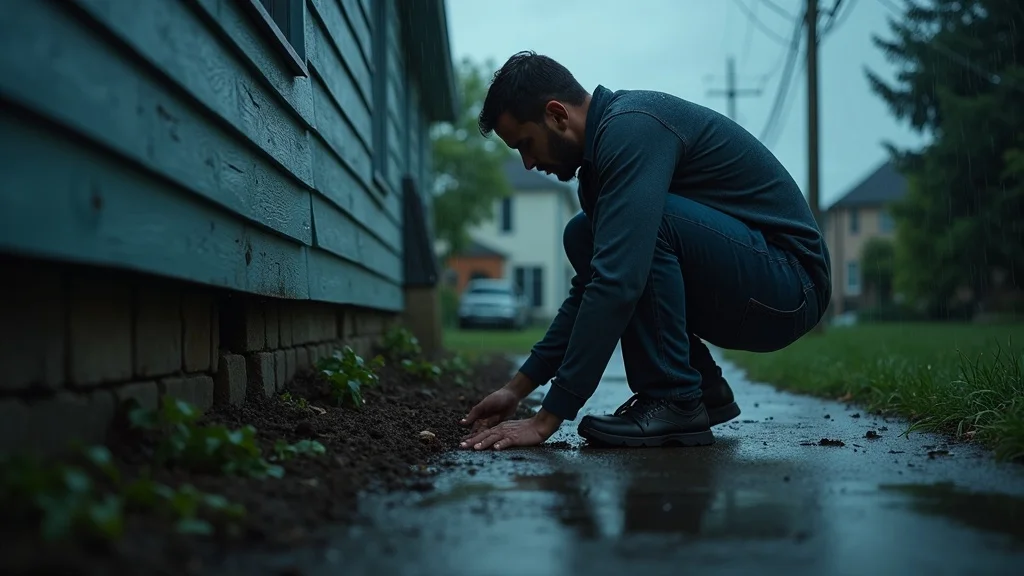
According to John Edwards II, the allure of new countertops and open floor plans often seduces buyers into overlooking invisible threats—chief among them, improper water management. This oversight can wipe out the excitement of new ownership, replacing it with spiraling repair bills and regret. John has witnessed countless cases where homeowners, focused on cosmetic upgrades, failed to notice warning signs outside their front doors. He cautions that “homes below road grade without sufficient roof and surface water management” become ticking time bombs—the joy of move-in day replaced by years of hidden moisture damage and expensive fixes.
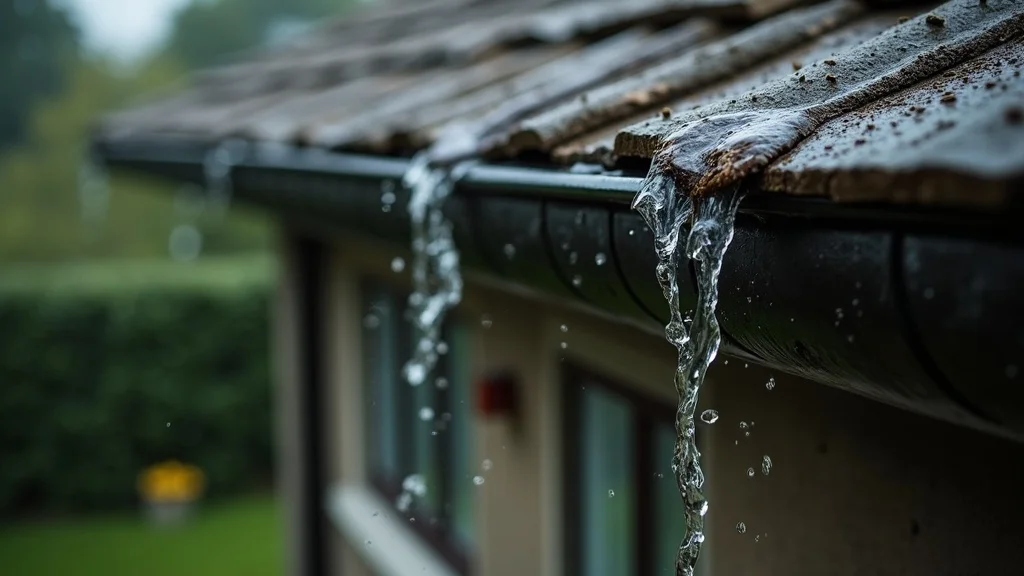
Water management isn’t just about gutters and downspouts—it’s about understanding how every slope, drain, and driveway interacts when the rain comes down. If the land slopes towards your foundation or gutter overflow isn’t properly channeled away, persistent wetness can infiltrate basements and crawlspaces, or even destabilize the entire foundation. “Those repairs,” John warns, “can be very expensive. ” He’s seen families stunned by problems they thought only happened to “old, neglected” homes, only to find even newer properties can suffer if the basics of water control are ignored.
"Homes below road grade without sufficient roof and surface water management start showing problems later on, and those repairs can be very expensive." – John Edwards II, Southern Eagle Inspections
Poor roof drainage causing foundation damage
Surface water pooling leading to basement leaks
Downspouts improperly positioned near the house
Land grading that directs water towards the foundation
Hidden System Access Challenges That Turn Simple Repairs Into Costly Projects
Another disruptive post-closing surprise, as identified by John Edwards II, is the overlooked challenge of accessing major home systems. In the heat of competition, buyers may rush the walkthrough, never pausing to question how a future technician would reach the attic HVAC or water heater. When systems are tucked away in cramped attics or behind awkward panels, what would have been a minor repair can quickly turn into a major ordeal—skyrocketing costs and delays.
John recounts the frustration of clients forced to cut open walls or pay premium rates for specialists just to reach basic equipment. “Another frequently missed but critical issue is access to major systems like HVAC or water heaters hidden in attics. Fixing these when problems arise can be a financial burden.” These problems may be absent from listing disclosures and rarely show up in cheerful photo galleries—but once you own the home, they’re yours to fix. Regular maintenance, emergency repairs, and even upgrades become headaches when access is constrained—a detail that, in John’s experience, means the difference between financial peace and a string of costly surprises.
It's not just buyers who need to be vigilant—sellers can also benefit from addressing these hidden issues before listing their property. Proactively identifying and resolving potential problems, such as water management or system accessibility, can help prevent last-minute negotiations and costly surprises at closing. For a deeper look at how a pre-listing inspection can empower sellers and streamline the sales process, explore the advantages of getting a pre-listing inspection before putting your home on the market.
"Another frequently missed but critical issue is access to major systems like HVAC or water heaters hidden in attics. Fixing these when problems arise can be a financial burden." – John Edwards II, Southern Eagle Inspections
Real-World Examples: How Overlooked Details Disrupted Buyers Post-Closing
The true impact of overlooked inspection details is painfully clear in the real world. John Edwards II’s decades in South Mississippi and Alabama provide hard-won perspectives: “We’ve seen buyers walk into beautiful homes only to face staggering attic HVAC repairs the first time summer heat exposes a system failure." That’s not an abstract risk—it’s a regular reality. Sellers too, sometimes unknowingly, leave behind drainage nightmares that result in the new owners wading through flooded basements each storm season. And in older homes, electrical panels are often hidden deep inside closets—a puzzle for every electrician and a budget-buster for any upgrade project.
Every buyer dreams of move-in bliss, but “closing surprises” like these can turn that excitement into stress, expensive change orders, and escalating disputes with sellers over who should have known. According to John, the critical questions often go unasked: “If it would be hard to service, it’ll be harder to fix in an emergency. ” In these moments, buyers realize that paying attention to what’s overlooked is more valuable than any countertop or paint color.
Buyer discovers HVAC repairs needed in hard-to-access attic space leading to expensive labor costs
Seller’s undisclosed poor water drainage causes repeated basement flooding for buyer
Older home with hidden electrical panel locations complicating maintenance and upgrades

Practical Advice from John Edwards II to Protect Homebuyers from Costly Surprises
Top Inspection Focus Areas to Prevent Post-Closing Disruptions
With so many unseen issues ready to disrupt homeownership, John Edwards II recommends buyers and sellers direct their focus to four critical areas. First, always ensure a thorough evaluation of water drainage and grading around the home—don’t settle for a quick glance on a sunny day. Second, confirm that HVAC, electrical, and plumbing systems are not only operational but also easily and safely accessible for future maintenance and emergencies.
Third, don’t be shy about asking pointed questions regarding past water issues or repairs—if the answer feels vague or dismissive, consider it a red flag. Fourth, and perhaps most crucially, hire a trusted, experienced home inspector who knows the local risks and doesn’t cut corners. “Choosing the right home inspector is critical,” John emphasizes. “We bring over 15 years of experience in electrical and mechanical maintenance to identify issues that listings and disclosures might miss.” The peace of mind from a detailed inspection far outweighs the fleeting comfort of a quick closing.
Thorough evaluation of water drainage and grading around the home
Confirming easy, safe access to major HVAC, electrical, and plumbing systems
Asking targeted questions about past water issues or repairs
Hiring a trusted, experienced home inspector who knows local risks
"Choosing the right home inspector is critical. We bring over 15 years of experience to identify issues that listings and disclosures might miss." – John Edwards II, Southern Eagle Inspections

Understanding These Overlooked Issues: A Must-Read for First-Time and Relocating Buyers
Why Older Homes Need Extra Scrutiny
For buyers looking at older homes, John Edwards II urges even greater vigilance. “Many of these properties were built before current drainage codes or with now-obsolete systems hidden away,” he explains. Problems like outdated fuse boxes in unexpected locations, aging drainage pipes routed poorly underground, and hidden cracks in foundation walls can all lurk beneath the charm of a vintage home. These details are rarely featured in real estate brochures but can cost thousands if left undiscovered until after closing.
The risk isn’t just theoretical: older homes can be breathtaking, but their quirks often demand an inspector with deep experience and a sharp eye for both history and habitability. According to John, knowing how to spot telltale signs—like recent paint jobs covering old leaks or landscaping that masks pooling water—can mean the difference between loving your vintage home and regretting your investment. That’s expertise you can’t get from a generic home tour or an out-of-town inspector.

How Local Expertise Makes a Difference in Your Inspection
According to John Edwards II, local experience is irreplaceable when it comes to rooting out both the obvious and hidden risks unique to each neighborhood, soil type, and weather pattern. “We live and work right here; we know the quirks of homes built in Mississippi and Alabama from the ground up.” Understanding the particular behavior of heavy Gulf Coast rain or the subtleties of southern soil grading is not something that can be substituted with generic national standards. It’s about nuance, instinct, and a relentless pursuit of what’s hidden beneath the surface.
John emphasizes that his role isn’t just to produce a report—it’s about forming a partnership that gives buyers confidence and sellers credibility. That means sharing the knowledge he’s gained not only from thousands of inspections, but also from living in and loving the same communities as his clients. “We don’t just point out issues; we help you understand which ones are critical and which can wait, so your investment remains both safe and smart.” Mistakes here are costly, but with the right expertise, they’re also entirely avoidable.
Key Takeaways: Safeguard Your Investment with Insight from Southern Eagle Inspections
Water management is a critical, often invisible issue that can lead to major costs
System accessibility issues create expensive repair challenges post-closing
A skilled home inspector with local knowledge is your best defense
Being proactive prevents regret and protects your home investment
Next Steps: Get Expert Home Inspection Advice Tailored for Your New Home
"We don’t just provide a one-time service; we’re your partner for as long as you own your home. We’re here to help you make confident decisions that protect your investment." – John Edwards II, Southern Eagle Inspections
Contact Southern Eagle Inspections Today to Avoid Costly Closing Surprises
Ready to take the next step? Connect with John Edwards II and the team at Southern Eagle Inspections for a thorough, locally-informed inspection that protects your home and your peace of mind. Don’t let invisible threats endanger your investment—let an expert with deep roots in the community and a passion for your safety be your guide. Your future home deserves more than a quick glance; it deserves an inspection as careful as the life you plan to build inside it.
Understanding the hidden pitfalls of homeownership is just the beginning. If you’re preparing to sell, taking proactive steps—like arranging a pre-listing inspection—can help you anticipate buyer concerns, avoid costly negotiations, and present your property with confidence. Discover how a strategic inspection before listing can streamline your sale and protect your bottom line by reading why a pre-listing inspection is a smart move for sellers in today’s market. Whether you’re buying or selling, the right knowledge and preparation can make all the difference in your real estate journey.
CONTACT:
John Edwards II, Southern Eagle Inspections, (601) 588-5803, SouthernEagleInspections@gmail.com , https://www.southerneagleinspections.com/




Write A Comment