

Did you know that backyard swimming ponds with natural filtration can remain crystal clear year-round without the use of harmful chemicals? This revolutionary approach combines the beauty of nature with safe swimming environments, allowing families to enjoy their ponds fully and healthily. Natural filtration expert insights reveal how this eco-friendly method is transforming traditional backyard pools into thriving ecosystems. In this article, we dive deep into the science and benefits behind natural filtration, featuring expert perspectives from Bubba Hogan of Mid South Ponds, The only Master Certified Aquascape Contractor in Memphis and named the 2025 #1 World-Wide Pond Contractor by Aquascape, Inc.
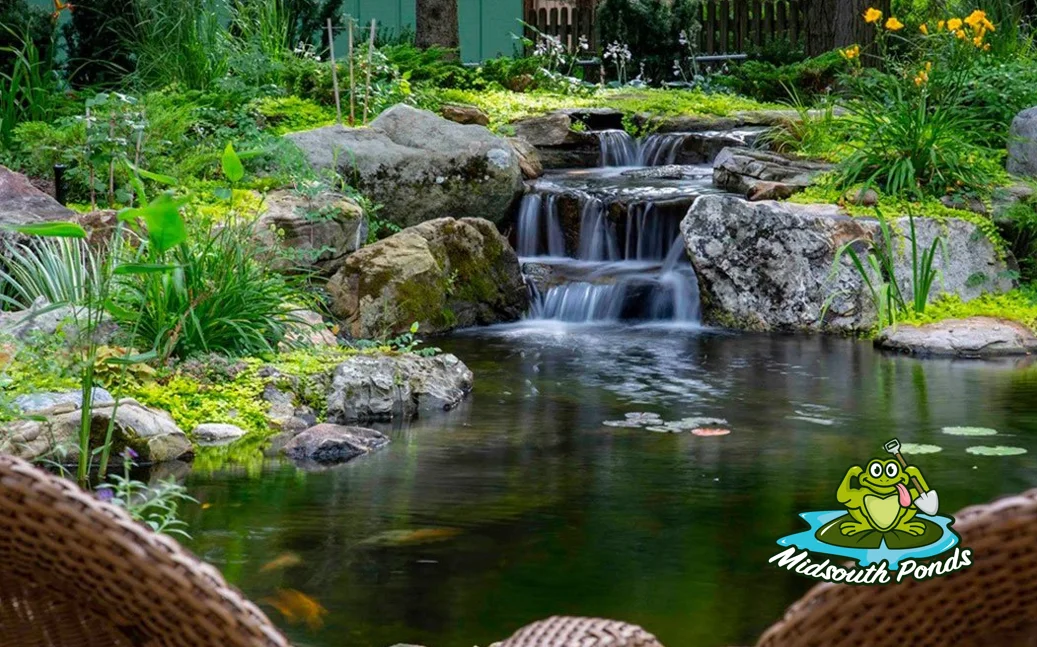
Startling Facts About Natural Filtration in Recreation Ponds
The concept of natural filtration expert insights has been reshaping how homeowners view backyard swimming ponds. Unlike conventional chemically treated pools, natural filtration systems use an integrated ecosystem of water plants, beneficial bacteria, fish like koi, and specially designed substrates to purify water continuously and safely. This system not only reduces the need for costly chemicals but sustains the pond's clarity and health year round, making it an ideal solution for families seeking a low-maintenance and chemical-free swimming space.
Bubba Hogan, the seasoned professional from Mid South Ponds, explains, “The biggest misconception people have about a recreation pond is how much maintenance is involved. The answer is absolutely no chemicals involved. It’s naturally filtered with water, plants, fish. The water’s crystal clear, and you can enjoy it year round. ” This statement highlights how natural filtration changes the playing field from the traditional pool care narrative, focusing on sustainable enjoyment rather than stressful upkeep. As the demand for chemical-free and safe backyard designs rises, so does the popularity of natural filtration systems.
The Growing Popularity of Chemical-Free Swimming Ponds
Consumers today are increasingly environmentally conscious and health-aware, fueling interest in chemical-free swimming ponds. Natural filtration systems perfectly align with these values by eliminating chlorine and other harsh chemicals commonly found in traditional pools. This increase in popularity is also driven by the desire for ponds that blend seamlessly with landscaping, enhancing backyard aesthetics while providing recreation.
Moreover, natural ponds with koi fish provide immersive aquatic environments that are not only visually appealing but educational, making them favorite choices for homeowners wanting a multi-functional backyard. Families especially appreciate the safety aspect—children and pets swim without risking exposure to toxins. As Bubba Hogan notes, natural ponds “bring nature to you” and serve as “a learning environment,” supporting these shifting consumer trends.
One of the most common challenges for pond owners is managing algae growth, which can impact water clarity and overall enjoyment. For a deeper understanding of how natural filtration helps address this issue, explore the problem with pond algae and effective solutions that keep your swimming pond healthy and inviting.
How Natural Filtration Expert Insights Challenge Traditional Pool Maintenance
Traditional pool maintenance often involves a continuous regimen of chemical balancing, filtration system servicing, and winterizing routines, which can become costly and time-consuming. In contrast, natural filtration expert insights challenge this norm by emphasizing ecosystem balance and biological filtration. Plants and fish biologically filter the water, reducing maintenance needs and eliminating chemical interventions.
This ecological approach also supports sustainable water quality improvement over time and creates a habitat for beneficial organisms that enhance the pond's resilience. By challenging outdated maintenance models, natural filtration is revolutionizing backyard recreation, proving that a harmonious blend of nature and technology can yield both stunning and practical outcomes.
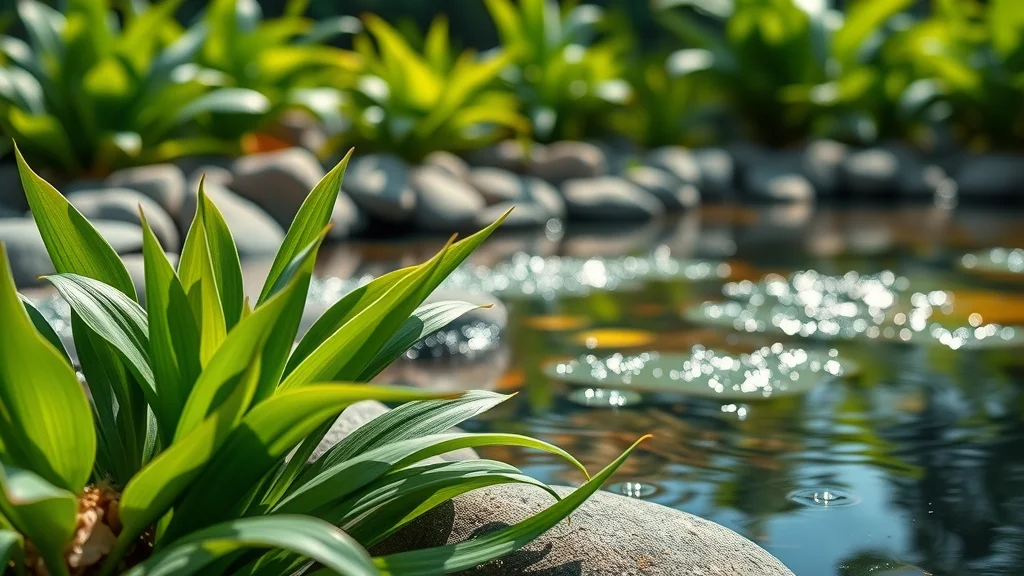
Understanding Natural Filtration Systems in Backyard Swimming Ponds
What Is a Natural Filtration System and How Does It Work?
A natural filtration system mimics the processes found in natural lakes and streams to maintain water clarity and quality. This system relies on biological, mechanical, and chemical filtration working together. Aquatic plants absorb excess nutrients that could otherwise fuel algae blooms, while beneficial bacteria residing on gravel and plant roots break down organic waste, converting harmful substances into harmless components.
Fish such as koi contribute by consuming algae and organic debris, further balancing the ecosystem. Water circulates continuously through filtration gravel and plant zones, cleansing itself naturally without artificial chemicals. This symbiotic system sustains itself with minimal human intervention, resulting in a pond that stays clean, vibrant, and safe for swimming throughout all seasons.
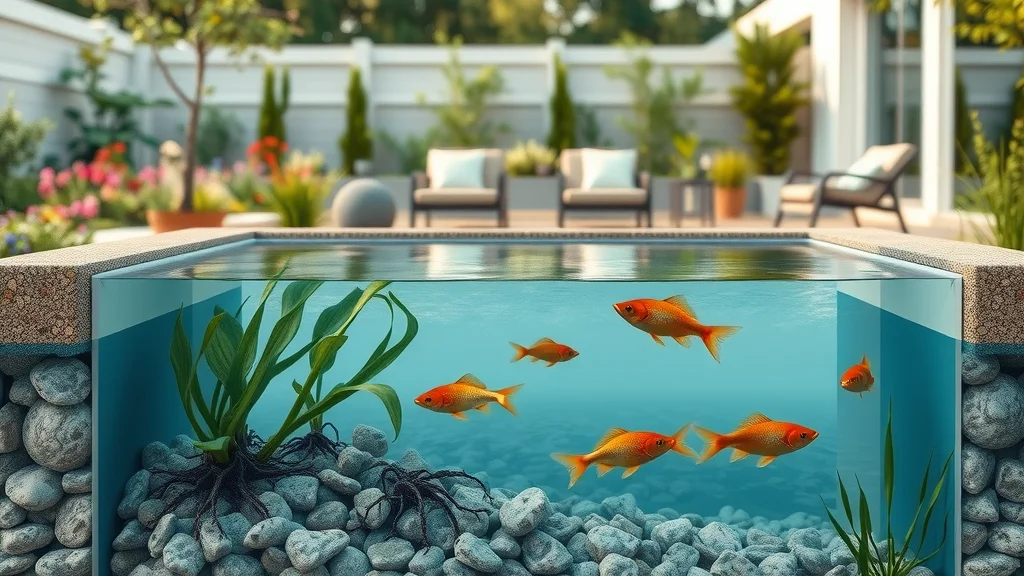
Key Components: Water Filter, Plants, Fish, and Filtration Systems
The success of any natural filtration pond revolves around four key components:
Water Filter: Primarily formed by gravel and sand layers that mechanically filter particulates and serve as habitats for beneficial bacteria.
Aquatic Plants: Species such as water lilies and reeds absorb nutrients and oxygenate the water, helping maintain chemical balance.
Fish: Koi and other pond fish consume algae and detritus, contributing to the biological filtration process.
Filtration Systems: Optional biofilters or pumps may support water movement and oxygenation but remain chemical-free.
Harmonizing these elements creates a living water filtration system that is both self-sustaining and effective at maintaining water clarity and safety. Homeowners often find how these natural components reduce reliance on artificial treatments, resulting in a healthier, more welcoming swimming pond.
Comparing Natural Filtration to Conventional Water Filtration Systems
While conventional pool filtration employs mechanical filters and chemical sanitation methods, natural filtration employs biological and physical processes from nature itself. Natural systems support biodiversity and ecological balance rather than disrupting it. This comparison underscores advantages like lower chemical dependency, reduced environmental impact, and improved aesthetics.
Because natural filtration relies on a balanced ecosystem, it adapts better to seasonal changes and provides safer water for swimmers and aquatic life alike, presenting a compelling alternative to traditional pool care that often uses chlorine and harsh chemicals.
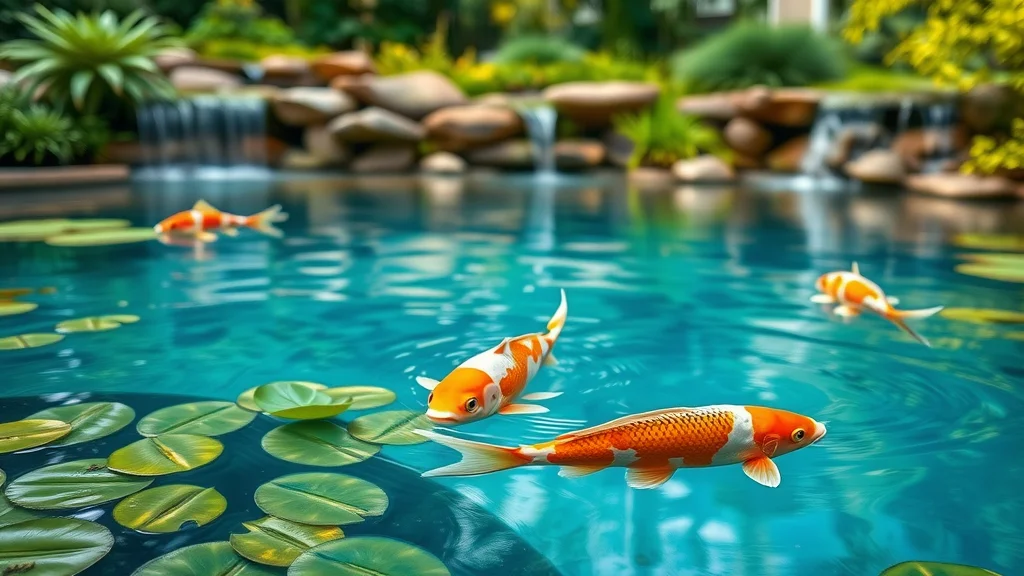
Benefits of Natural Filtration for Water Quality and Safety
Ensuring Clean Water Without Chemicals: Safe Water for Families and Pets
One of the most important advantages of natural filtration systems is the ability to provide safe water without chemicals. Swimming in chemically treated pools may expose individuals, especially children and pets, to chlorine and related by-products, which can irritate skin or be harmful if ingested. Natural ponds eliminate these risks by relying on ecological processes that keep water pure and clean without harmful substances.
Bubba Hogan of Mid South Ponds stresses, “If you have kids, you don’t have to worry about chlorine and other chemicals that may have been harmful if swallowed or inhaled. Also with animals, you don’t have to worry about them drinking in it or getting sick. ” This safety factor appeals greatly to families and animal lovers who want a worry-free recreational environment.
Cost-Effectiveness Compared to Traditional Pools and Tap Water Treatment
Traditional pools can be expensive to maintain due to ongoing chemical purchases, energy costs for pumps and heaters, and professional servicing. In contrast, natural filtration ponds work economically over the long term. Initial installation may require investment, but the system largely takes care of itself afterward.
Costs for chemical treatments are virtually eliminated, and water stays balanced naturally. Additionally, natural ponds reduce the need for frequent water replacement, conserving tap water. Bubba Hogan highlights, “There’s really no chemicals involved. . . it’s lower cost and takes care of itself. ” This cost-effectiveness makes natural ponds especially attractive.
Environmental Impact and Sustainability of Natural Filtration Systems
Natural filtration systems promote sustainability by reducing chemical runoff into the environment and conserving water. They foster habitat creation for native species and contribute to local biodiversity. By mimicking natural ecosystems, they support ecological resilience and reduce pollution compared to chemically treated pools.
This environmentally responsible approach benefits not only the homeowner but extends positive impacts to the broader ecosystem. Choosing natural filtration reflects a commitment to greener living and responsible water stewardship.
Expert Insights from Bubba Hogan of Mid South Ponds
"The biggest misconception people have about a recreation pond is how much maintenance is involved. The answer is absolutely no chemicals involved. It's naturally filtered with water, plants, fish. The water's crystal clear, and you can enjoy it year round." — Bubba Hogan, Mid South Ponds
Real-Life Examples: Transforming Backyards into Natural Retreats
Bubba Hogan recalls many instances where natural ponds have transformed ordinary yards into peaceful retreats. He shares, “Customers often tell us they enjoy evenings by the waterfall, feeding koi fish, and watching their children learn about ecosystems. It’s like a staycation in their own backyard. ” These personal stories underscore the emotional and educational value of natural filtration ponds beyond their practical functions.
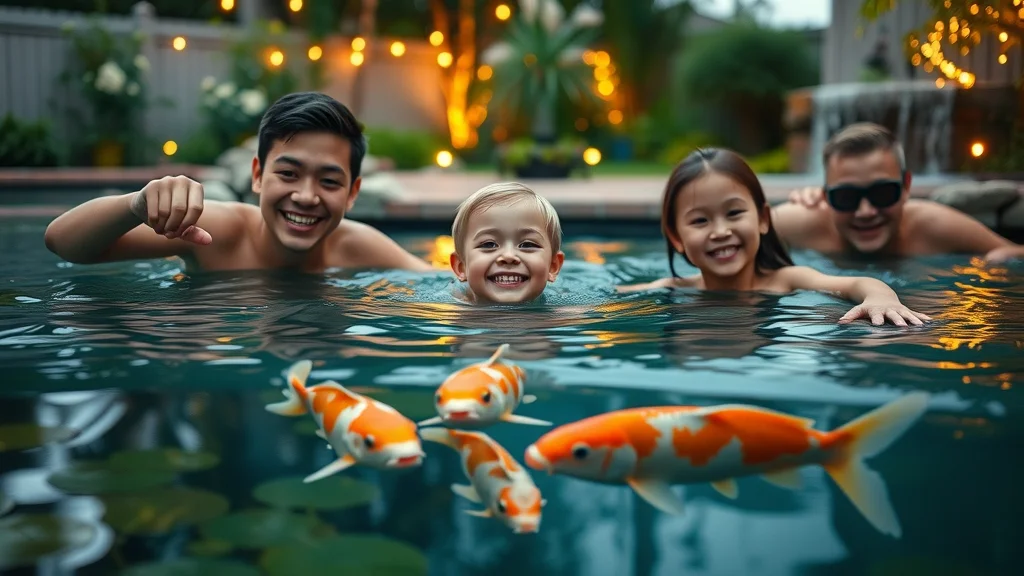
Families gather around tranquil water features that invite relaxation and connection with nature. Children snorkel among koi, gaining hands-on ecological lessons, highlighting how natural filtration supports multifaceted backyard enjoyment.
Common Misconceptions and How to Overcome Them
Maintenance Myths: Is Natural Filtration Really Low Maintenance?
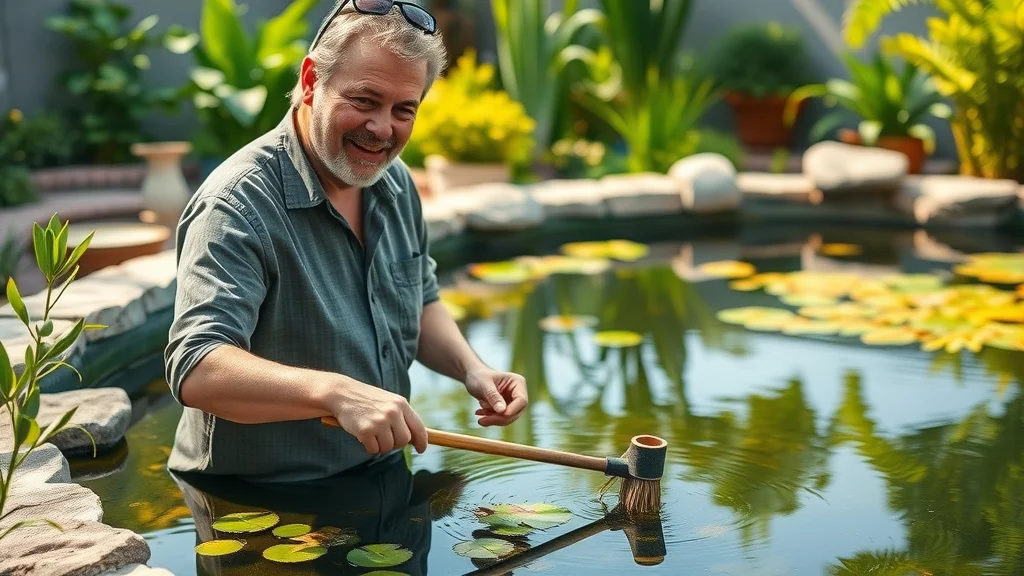
A prevailing myth is that natural ponds require cumbersome maintenance. While some care is needed, many homeowners find it manageable and far less than conventional pools. Simple upkeep includes occasional removal of debris and monitoring plant health. Bubba Hogan emphasizes that the system “takes care of itself,” meaning the ecosystem minimizes effort needed.
Regular observation and minor maintenance keep the balance intact. With proper design and education, maintenance becomes an enjoyable part of backyard stewardship rather than a chore, debunking fears of complexity or high upkeep.
Addressing Concerns About Water Quality and Filtration System Efficiency
Some worry about the consistency of water quality in natural ponds. However, with correct plant selection, fish stocking, and adequate filtration substrate, ponds maintain excellent water clarity and safety. Continuous biological filtration ensures contaminants break down naturally.
Expert design and seasonal adjustments help bolster system effectiveness. Education from professionals like Bubba Hogan helps homeowners trust the science and enjoy their ponds confidently without concerns over water quality fluctuations.
How to Choose and Maintain Your Natural Filtration System
Selecting the Right Water Filters and Filtration Systems for Your Pond
Choosing optimal filtration components is crucial for successful natural ponds. Filters vary from simple gravel beds to more complex biofilters designed to maximize beneficial bacteria colonization. Bubba Hogan advises selecting filters tailored to pond size, fish load, and plant variety for balanced biological activity.
Integrating filters with aquatic plants and healthy fish species enhances water purification naturally. Professional consultation ensures filtration matches customized backyard needs, delivering sustained water quality.
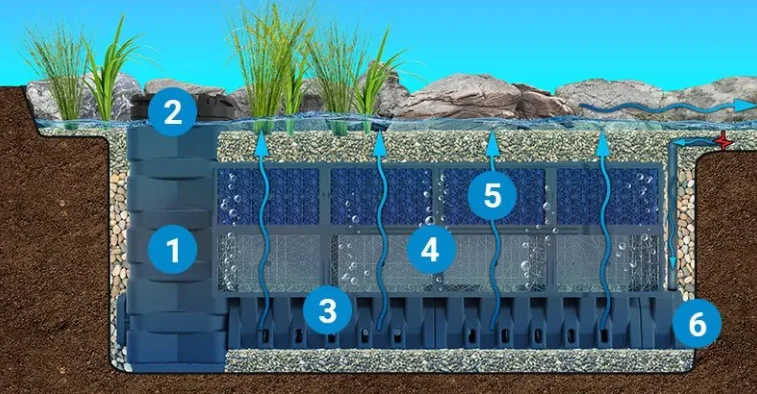
1 - Snorkel Vault
2 - Snorkel Valut Lid
3 - Centipede ModuleTips for Maintaining
Water Quality and Ecosystem Health Year Round
4 - AquaBlox Water Storage Modules
5 - FilterBlox Modules
6 - Centipede End Cap
Maintaining a healthy ecosystem involves routine observation, seasonal plant pruning, fish feeding moderation, and debris removal. Aeration and water circulation ensure oxygen levels remain optimal, fostering beneficial bacteria. Bubba Hogan highlights that balanced ecosystems require minimal chemical intervention, making maintenance enjoyable.
Seasonal checks catch early imbalances, and occasional backflushing or cleaning of mechanical filters support system longevity. With these practices, natural ponds remain crystal clear and safe through all seasons.
Criteria |
Natural Filtration System |
Traditional Pool Filtration System |
|---|---|---|
Cost |
Lower long-term costs; minimal chemical purchase |
Higher ongoing chemical and maintenance costs |
Maintenance |
Low to moderate; ecosystem self-sustains |
High; requires chemical balancing and equipment upkeep |
Water Quality |
Clean, chemical-free, safe for swimmers and aquatic life |
Clean by chemical treatment; potential irritation risks |
Environmental Impact |
Eco-friendly, promotes biodiversity, no chemical runoff |
Higher environmental footprint due to chemical usage |
People Also Ask (FAQs) About Natural Filtration and Swimming Ponds
How do I keep my pond water clear?
Maintain a balanced ecosystem with adequate filtration, a pump that circulates the entire volume hourly, and sufficient aquatic plants (covering 40-60% of the surface) to provide shade and reduce nutrients. Using Aquascape’s water treatments (like Beneficial Bacteria) helps.How often should I clean my Aquascape pond?
An annual cleaning (usually in spring) to remove sludge and debris is recommended, though regular maintenance involves cleaning the skimmer basket and, occasionally, the BioFalls pads.What is the best location for a pond?
Choose an area with partial shade to reduce excessive algae growth, avoiding low spots that receive fertilizer runoff.What size pump do I need?
The pump should be sized to circulate the total pond volume at least once per hour.
Key Takeaways: Why Natural Filtration is the Future of Backyard Swimming Ponds
Natural filtration systems provide chemical-free, safe water suitable for swimming and aquatic life like koi fish.
These systems reduce maintenance costs and environmental impact compared to conventional pools.
Expert insights highlight ecosystem balance and year-round enjoyment, combining recreation with ecological education.
Proper selection and routine care ensure optimal water quality and sustained pond health.
Conclusion: Embrace Natural Filtration for a Healthier, More Enjoyable Backyard Pond
Final Thoughts from Bubba Hogan
"You enhance the beauty of your backyard, bring nature to you, and create a learning environment. It's less maintenance and more enjoyable in the end." — Bubba Hogan, Mid South Ponds
As you consider the benefits of natural filtration for your backyard swimming pond, remember that a thriving aquatic environment is about more than just clear water—it's about creating a sustainable, beautiful, and low-maintenance retreat for your family. If you're interested in exploring advanced strategies for pond health and want to deepen your understanding of water quality challenges, take a look at the comprehensive guide on addressing pond algae issues and long-term solutions. This resource will help you make informed decisions and ensure your pond remains a vibrant centerpiece for years to come.
Ready For A Pond You Can Fall In Love With?
If you are ready to transform your backyard into a serene, sustainable swimming retreat with natural filtration systems, contact Mid South Ponds today and start your journey toward a chemical-free haven that your family and koi fish will love year-round.
CONTACT:
Bubba Hogan, MidSouth Ponds, (901) 454-3423, MidSouthPonds.com




Write A Comment