• Menu
    • Home
  • Categories
    • Health, Wellness & Family
    • Outdoor Living & Curb Appeal
    • Home Services
    • HVAC
    • MidSouth Life Podcast
    • Plumbing
    • Roofing
    • Dentist
    • CPA
    • Electrician
    • Insurance
    • Flooring
    • Injury Law
    • Elder Law
    • Financial & Legal Services
    • Chiropractic & Physical Wellness
    • Events & Happenings
    • Business & Professional Services
    • Local Authority Spotlight
September 10.2025
1 Minute Read

Tired of Carpet Wear? Discover Easy Fixes Now

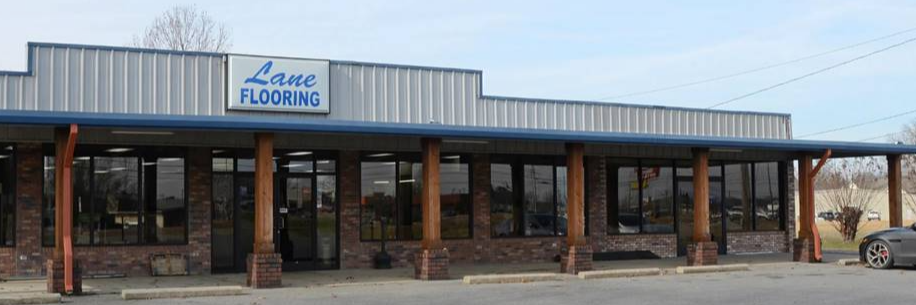
Lane Flooring

📍 Address: 365 US-51

📞 Phone: +1 731-635-7081

🌐 Website: https://laneflooringtn.com/

★★★★★
Rating: 4.7

Is Your Carpet Looking Tired? Here’s Why Flooring Choices Matter More Than You Think

Have you ever walked into a room and found your attention pulled straight to a worn, sagging, or stained patch in the carpet? For many homeowners and business operators, deteriorating carpet isn’t just a cosmetic nuisance—it affects how comfortable and clean your space feels day after day. As the months and years pass, even the highest-quality carpeting can develop traffic patterns, fading, frayed edges, or stubborn stains. These common issues do more than drag down a room’s appearance; they can make it feel dated and less welcoming to family, friends, or customers.

Flooring is one of the most-used surfaces in any home or business, so it makes perfect sense that it deserves close attention. Whether you’re planning a home refresh for comfort or staging a property for sale, or if your commercial property needs to keep a professional first impression, the right flooring choices can have a powerful impact. People often underestimate the value of consulting a knowledgeable carpet, hardwood, tile store—or understanding the installation and removal process. The journey to a flawless, long-lasting floor isn’t just about picking a material, it's about the details, the expertise, and the care that goes into every step. Let’s explore exactly why floors matter, and how smart fixes can drastically improve your everyday spaces.

Carpet, hardwood, and tile store interior with friendly consultant guiding customers

Why Flooring Selection and Installation Can Make or Break Your Space

The core function of any carpet, hardwood, or tile store is much more than simply selling flooring materials. It’s about providing education, options, and expertise to help individuals and businesses choose the right solutions for their needs. Carpet remains a go-to for comfort and warmth, but issues like wear-and-tear, discoloration, or outdated textures can creep in more quickly than expected if the wrong grade or style is chosen—or if installation isn’t handled with care. Floors are among the first features people notice, setting the mood and perception of a space, underscoring the value of good initial choices and proper ongoing maintenance.

Those who haven’t spent time researching their flooring options may find themselves facing unexpected problems down the road. From skipped installation steps leading to bumps and wrinkles, to mismatched tiles or hardwood planks that warp over time, simple oversights can become expensive headaches. In areas with heavy foot traffic—whether lively family rooms, busy office corridors, or bustling retail locations—the right mix of durability, easy-clean technology, and professional installation matters. Failing to grasp these details may lead to short-term solutions that need frequent, costly replacements. Taking time to truly understand your choices assures that floors stay fresh, functional, and visually appealing for years to come.

Flooring expert professionally installing carpet in a modern living room

Rethink Your Routine: The True Value of a Professionally Guided Flooring Overhaul

Engaging an expert carpet, hardwood, and tile store offers more than access to a selection of textures and colors. It brings the benefit of comprehensive installation and removal services, ensuring the process is efficient and stress-free from start to finish. A trusted flooring partner can guide both residential and commercial clients through every step—from helping you select the right materials for foot traffic and style preferences, to expert measurement, removal of outdated floors, and precise installation. This expert approach means the work is done right the first time, eliminating common pain points like buckling or misalignment.

Customers also experience real-world results: fresh flooring that revitalizes a room, improves insulation, and even helps with sound reduction. Choosing high-quality products from an established carpet, hardwood, and tile store can transform daily comfort and elevate property value. Best of all, knowing trusted professionals are managing everything lets homeowners and businesses avoid unexpected disruptions, costly delays, or mismatched installations, so their investment lasts and looks great for years.

From Classic Hardwood to Versatile Tiles—How the Right Choice Enhances Each Room’s Purpose

Flooring must do more than look good—it needs to complement how a space is used. Hardwood brings timeless beauty and value, standing up to decades of use when installed correctly. Tile, on the other hand, offers unbeatable resilience in wet or high-traffic areas such as kitchens, bathrooms, and entryways. Carpet, meanwhile, delivers softness and insulation ideal for bedrooms, family spaces, and offices wanting a warm touch. A well-stocked, expertly supported carpet, hardwood, and tile store will help clients understand which material fits their specific lifestyle, climate, and cleaning preferences, while providing countless options for color and pattern.

Stunning home with carpet, hardwood, and tile flooring in open, sunlit space

The benefits reach further than what’s visible. Properly chosen and installed flooring can affect energy savings, indoor air quality, and noise control. For busy families and active businesses in places like Ripley and Dyersburg, a flooring solution tailored to your environment delivers convenience and peace of mind, not just style.

Installation Done Right—Why Professional Service Saves Time and Prevents Headaches

The hidden hero of every flooring transformation is independent, expert installation. As highlighted by leading flooring stores, the process typically includes measuring, old flooring removal, preparation, and careful laying down of new carpet, hardwood, or tile. Skimping on any of these steps, or relying on guesswork, can result in problems that undermine even the finest materials—think ripples in the carpet or misaligned hardwood planks. Emphasizing full-service support ensures that every job, whether for a new build, a remodel, or a high-traffic commercial facility, stands the test of time.

This commitment to "doing it right the first time" keeps spaces looking fresh and functioning smoothly. It saves property owners from the stress of patching up recurring issues, delivering more time to enjoy their newly refreshed environments.

Choosing Flooring with Confidence: The Power of Seeing and Touching Options in Person

One often-overlooked value of turning to an experienced carpet, hardwood, and tile store is the ability to explore numerous sample options in person. This hands-on experience empowers clients to make well-informed choices that match their aesthetic and functional requirements. The decision-making process becomes less overwhelming and more exciting when guided by experts who can answer questions, demonstrate durability, and offer creative solutions to flooring challenges.

Close-up of new carpet rug with bound edges over hardwood and tile flooring

Many stores take it further, offering custom solutions such as rug binding or personalized suggestions for rooms with unique measurements or layouts. This flexibility and commitment to client satisfaction transform shopping for new floors from a chore into an inspiring journey.

Lane Flooring’s Customer-First Approach to Flooring Solutions

Since its founding in 2007, Lane Flooring has distinguished itself in the Ripley, TN area by focusing on comprehensive, customer-focused flooring solutions. This philosophy is rooted in the principle of "doing it right the first time," a promise that resonates through every aspect of their service—from helping customers compare carpet, hardwood, and tile materials to managing installations for both residential and commercial properties. The business’s mission is clear: to remove hassles for clients by seamlessly handling every stage, providing peace of mind and transforming flooring into a highlight rather than an afterthought.

Lane Flooring’s tone of communication is straightforward and approachable—providing clients with information they need, not pushing them into rushed decisions. Their approach incorporates thoughtful measurements, fair estimates, and a willingness to tackle both large and small projects. Whether dealing with a full business renovation or refreshing a cozy family home, Lane Flooring ensures that each floor is selected and installed to last, enhancing the comfort, style, and long-term usability of any space.

Real Experiences: One Customer Finds the Perfect Rug and Service

For those still wondering if personalized guidance and careful installation make a difference, real client experiences speak volumes. Hearing from previous customers brings the impact of expert flooring solutions to life, showcasing what a difference the right choice—and the right support—can make.

Lane flooring put all of our floors and carpet in 6 years ago and we have been very pleased but Y’all this rug I just got from them is amazing. They took so much time and care helping us choose the carpet and then they bound it for us and my 9x12 rug is AMAZING. You need a new rug just like this. They were amazing, kept in touch and were so creative through the whole process. I could not be happier.

Reviews like this highlight not only the range of flooring options available, but also the value of attentive, creative assistance from professionals. Those who trust an expert team often find themselves as satisfied as this customer—delighted with outcomes that feel personalized and built to last.

Ready for Change? Why Local Flooring Experts Make All the Difference

As carpets age and floors start to show signs of wear, it becomes clear how important expert advice and careful selection are in maintaining lively, welcoming spaces. Today, choosing a well-established carpet, hardwood, and tile store—and relying on its experience from product selection to installation—can turn a time-consuming problem into an exciting upgrade. When guided by a philosophy of doing things right the first time, clients enjoy not just better aesthetics, but greater durability and comfort that lasts through busy days and special occasions alike. Lane Flooring’s continued commitment to seamless, end-to-end service has positioned it as an authority in transforming spaces for homes and businesses alike.

Contact the Experts at Lane Flooring

If you’d like to learn more about how a carpet, hardwood, or tile store can benefit your home or business, contact the team at Lane Flooring.
📍 Address: 365 US-51, Ripley, Tennessee
📞 Phone: +1 731-635-7081
🌐 Website: https://laneflooringtn.com/

Lane Flooring Location and Hours


🕒 Hours of Operation:
📅 Monday: 8:00 AM – 5:00 PM
📅 Tuesday: 8:00 AM – 5:00 PM
📅 Wednesday: 8:00 AM – 5:00 PM
📅 Thursday: 8:00 AM – 5:00 PM
📅 Friday: 8:00 AM – 5:00 PM
📅 Saturday: ❌ Closed
📅 Sunday: ❌ Closed
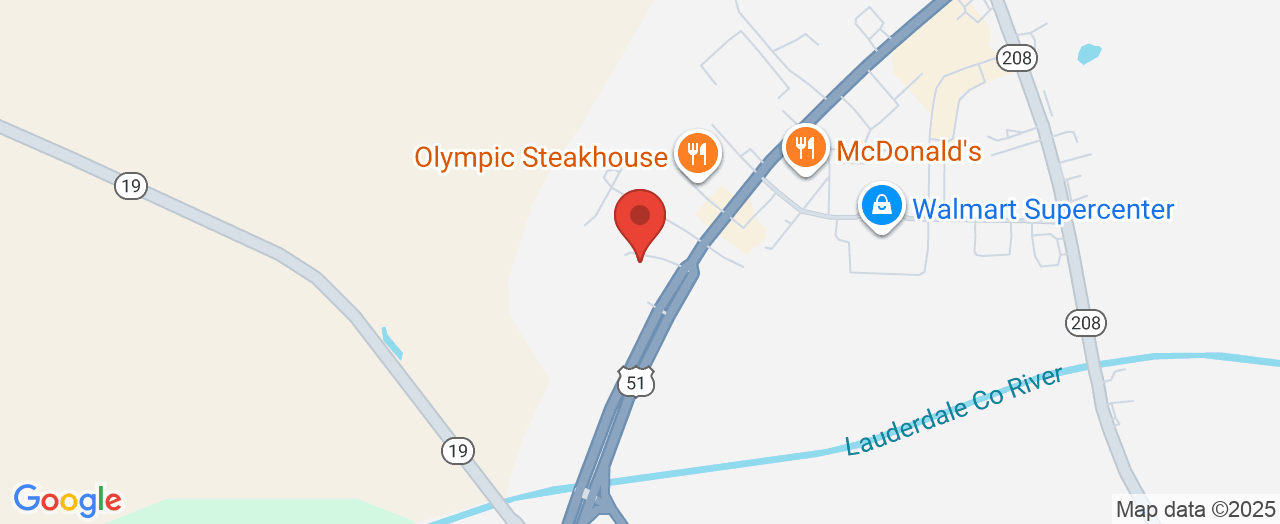
Location Map
Local Authority Spotlight

173 Views

0 Comments

Write A Comment

*
*
Please complete the captcha to submit your comment.
Related Posts All Posts
10.30.2026

How Memphis Firm designshop Designs for the Human Side of Architecture

Memphis architect Scott Guidry of designshop explains how light, sound, entrances and gathering spaces shape how people feel in a building.

10.05.2026

Implementing a Comprehensive Fraud-Prevention Process for Freight Brokers

Imagine assigning a shipment to an approved carrier, only to learn that another company is moving the freight without your knowledge. That hidden handoff can expose brokers and shippers to lost visibility, payment disputes, and cargo-security risks. A comprehensive freight fraud prevention process connects carrier approval, driver and equipment verification, shipment monitoring, and delivery records. This guide explains how technology and clear staff procedures can support that process, from carrier assignment through final delivery.How Big Is The Problem?Double brokering threatens more than a single shipment. An unauthorized carrier assignment can disrupt communication, delay delivery, leave an honest carrier unpaid, and create disputes over responsibility. Brokers, carriers, and shippers can all be harmed by the same transaction. 86%Of survey respondents who had experienced fraud reported double brokering. The April 2025 Broker Insights Survey included more than 700 freight brokers. This result describes that survey group, not all brokers or all shipments.The Scale of the Problem:Dominant Threat: According to industry surveys (such as Truckstop’s Broker Insights), roughly 86% of brokers who experience fraud identify double brokering as the primary and most destructive threat they face.Widespread Outbreak: Market volatility has driven a massive surge in unauthorized or malicious load handoffs, plaguing both small independent carriers and large enterprise brokerages.Criminal Evolution: While it can occasionally stem from innocent miscommunication or overbooking, it is increasingly executed by organized criminal rings using identity theft and compromised MC (Motor Carrier) numbers to siphon funds.The Challenge of Double BrokeringOne common form of double brokering occurs when a carrier accepts a load and secretly assigns it to another carrier without the original broker’s or shipper’s knowledge or approval. The problem is the concealed, unauthorized reassignment, not a properly approved change in equipment or personnel. For example, a broker assigns a shipment to Carrier A. Carrier A then gives the load to Carrier B without approval. Carrier B may be legitimate and unaware of the deception. If the middleman collects the payment and disappears, Carrier B may remain unpaid while the original broker faces a dispute. Fraudsters may also impersonate a legitimate carrier using stolen company information. A familiar company name or carrier number is not enough to establish that the person contacting you is authorized to act for that carrier. As an example, a broker may hire Carrier A; Carrier A then passes the freight to Carrier B without approval. Carrier B might be honest and unaware of wrongdoing, but the middleman can vanish with payment, leaving Carrier B unpaid. Some fraudsters even hijack real carriers’ identities to execute these scams, making detection even harder.Common Warning Signs of Double Brokering in the Trucking IndustryInformation that does not match. The driver’s name, carrier name, truck markings, or equipment details differ from the approved assignment. Unapproved changes. Pickup instructions, dispatch contacts, or delivery details change unexpectedly without a clear explanation and approval. Pressure to skip checks. Someone insists that the shipment must move before identity or equipment discrepancies are resolved. While one mismatched detail alone does not confirm double brokering such as equipment might break downs and, every such anomaly should be questioned carefully. If someone insists on skipping verification steps, treat it as a red flag.Verify Before Release: Pre-Load VerificationBefore freight is released, confirm that the carrier, driver, and equipment handling the load match the approved assignment. Coordinate the broker’s verification work with the shipper’s on-site checks. 1-Verify the carrier and coverage. Review the carrier’s operating authority through FMCSA and confirm insurance with the insurer or agent using independently verified contact information. 2-Confirm the load assignment. Call the carrier through a trusted number. FMCSA recommends checking contact numbers against SAFER and resolving discrepancies before proceeding. [2] 3-Match the driver and equipment. Review the driver’s name, phone number, license, vehicle registration, and tractor and trailer details. Compare truck-side markings and plate information with the approved carrier’s records. 4-Control the pickup. Use a secure, shipment-specific pickup reference. Have authorized shipping staff confirm the arriving driver and equipment, retain the relevant photos, and obtain broker approval for any substitution. According to Robert of CargoGuard, “Simply checking a carrier’s MC number or insurance certificate is not enough; you must confirm the actual driver and equipment handling your shipment to prevent fraud. ”Monitor and Respond: Maintaining Shipment Visibility After PickupIllustrative U.S. dispatch office. Screen displays are not screenshots of CargoGuard software.Keep monitoring after the truck leaves the dock. Review shipment updates and stay in contact with the verified driver. Unexpected stops, tracking gaps, or unexplained device changes warrant follow-up, but can also have routine operational or technical explanations. A device’s location does not, by itself, prove who has the freight. CargoGuard combines tracking, driver-verification tools, and alerts for potential location spoofing. These signals support investigation; they do not guarantee that fraud will be detected or prevented. When Potential Double Brokering Is Detected: A Repeatable Process 1-Confirm location and custody. Use trusted contacts to establish where the shipment is and who currently controls it. 2-Notify the right people. Inform the shipper, operations lead, and security team so everyone works from the same verified information. 3-Verify requested changes. Do not approve a new delivery location or transfer based solely on an unverified message. 4-Preserve the evidence. Keep communications, location history, driver and truck photos, pickup records, and relevant documents together. 5-Escalate suspected fraud or theft. Promptly involve law enforcement and notify your insurance provider. FMCSA also provides reporting guidance for identity theft and freight fraud. (Keep people safe. Do not ask a driver to confront a suspected fraudster. Coordinate a safe response with a shipper, relevant authorities, and your operations team.)From Carrier Assignment to Final DeliveryA strong freight fraud prevention process integrates verification and monitoring at every stage of shipment from carrier assignment to final delivery. The process ensures accountability and real-time response capability against double brokering and other fraudulent tactics.“The biggest gap in freight fraud prevention is the assumption that initial carrier approval covers all later steps. Continuous verification and clear processes are essential to close this gap.” Robert Enfield of CargoGuardCarrier selection Verify operating authority, confirm coverage, and validate the carrier’s contact information and load assignment. FMCSA records; insurer or agent confirmation; a trusted callback. Pre-pickup Match the driver, tractor, trailer, and pickup authorization to the approved assignment. Identity and equipment records; a secure pickup reference; truck and trailer photos. In transit Review location updates and alerts. Investigate unexplained gaps or changes with the verified driver. GPS tracking; relevant security alerts; documented communications. Delivery Confirm the destination and receiving details, and collect proof of delivery (POD). Delivery records; receiver confirmation; digital POD. Documentation Retain a record of who handled the freight, what changed, and who approved each exception. Shipment records; photos; messages; authorized system integrations. Connect Technology to Clear Responsibilities A supported integration can reduce repeated data entry and help teams review shipment information in their transportation management system (TMS). For a CargoGuard API integration, confirm the available endpoints, data fields, security requirements, and supported events with CargoGuard’s technical team before implementation. Do not assume that every platform feature or TMS connection is available through the API.Technology integration, like CargoGuard’s API connecting shipment data with Transportation Management Systems (TMS), streamlines verification checks and alert management without disrupting existing workflows. This synergy empowers teams to monitor active shipments and handle alerts efficiently. Technology should reinforce your process, not replace it. Assign responsibility for reviewing alerts, approving changes, and preserving records so that each issue has a clear owner. FREQUENTLY ASKED QUESTIONS:What is double brokering fraud? Double brokering fraud involves secretly reassigning a shipment without the original broker’s or shipper’s approval. For example, a carrier may accept a load and pass it to another carrier without authorization. The concealed reassignment can create payment, delivery, and cargo-security problems. Is checking a carrier’s authority and insurance enough? No. Those checks address the carrier’s business records, but they do not establish who is actually arriving to collect your shipment. Verify the load assignment, driver, and equipment, and have shipping staff compare the arriving truck with the approved details. Can GPS tracking alone prove who has the freight? No. GPS tracking reports the location of a device or tracking source. Combine it with driver verification, equipment checks, shipment records, and direct communication to investigate whether the freight remains with the authorized party. What should happen when pickup details do not match? Resolve the discrepancy before freight is released. Contact the carrier through trusted channels, determine whether the change is legitimate, and document any approval. A replacement driver or truck may be valid, but the change should not bypass verification. Summary of Key Takeaways Verify the actual pickup. Carrier approval is the starting point. The arriving driver, tractor, and trailer must still be checked against the authorized assignment. Maintain visibility through delivery. Review tracking and communications, investigate meaningful changes, and collect proof of delivery. Make exceptions visible. Record what changed, why it changed, who verified it, and who authorized the next step. Treat alerts as prompts to investigate. Use technology to support informed decisions rather than treating a location update or alert as conclusive evidence. Final Thoughts on Freight Fraud Prevention ProcessFreight fraud prevention works best as an end-to-end operating process, not a one-time carrier check. Connect the approved carrier to the verified driver and equipment, keep shipment visibility active, and document the delivery. When information changes, pause long enough to verify the change and obtain the required approval. Clear procedures help brokers and shipping teams apply these checks consistently. Train staff to recognize discrepancies, keep escalation contacts available, and make sure someone is responsible for reviewing unresolved alerts. The goal is a process your team can follow on every shipment, including when schedules are tight.Robert, of CargoGuard, concludes, "Freight fraud prevention is not a one-time check but a continuous commitment to connecting every load to the right people and equipment."Protect your freight with CargoGuard!Call: CargoGuard, (901) 255-0646 Or Visit: www.mycargoguard.comInterviewee: Robert L. Enfield, Co-Founder & UX/UI ArchitectRobert Enfield is Co-Founder & UX/UI Architect at CargoGuard. His background spans more than 20 years in asset-based trucking and third-party logistics. After seeing how double brokering and cargo theft affected brokers and shippers, he helped shape CargoGuard around the operational challenges his team encountered in the field.Sources and Image Credits 2025 Broker Insights Survey: original publisher’s release, April 9, 2025. The 86% figure applies to survey respondents who had experienced fraud. FMCSA, Broker and Carrier Fraud and Identity Theft, updated April 7, 2025. See the agency’s verification and reporting guidance. CargoGuard, Freight Tracking API. Integration scope and technical requirements must be confirmed for the intended workflow. Editorial basis: the supplied draft of John Crowder's interview with Robert Enfield, with source checks for survey wording, verification guidance, and API claims. Photos are AI-generated illustrations of U.S. freight operations, not photographs of CargoGuard employees, customers, or software. This article provides general operational guidance, not legal or insurance advice.

08.19.2026

How Can Poor Equipment Maintenance Lead to Expensive Repairs and Unexpected Downtime?

Charles Barnes and Rick Chambers Reveal Why Neglecting Equipment Maintenance Drains Your Bottom LineEvery business leader responsible for facility operations faces the same silent threat: hidden costs caused by poor equipment maintenance. As Charles Barnes and Rick Chambers of Janitor Supply Center of Memphis emphasize from decades of work in cleaning, restoration, and maintenance supply, the expense you see on a maintenance invoice is only the tip of the iceberg. Beneath the surface, undetected neglect erodes profitability, disrupts workflow, and erases gains.Most commercial property owners and facility managers tend to underestimate the true cost of skipping basic equipment upkeep. It’s easy to let maintenance checklists slide, especially in the rush of daily operations. Yet as Charles Barnes warns, the consequences are cumulative and costly: “Most people miss the fact that they don’t properly maintain equipment—filters go uncleaned, tanks unrinsed, and batteries unchecked. These neglects combine to cause downtime, higher labor costs, and expensive repairs.""Most people miss the fact that they don’t properly maintain equipment—filters go uncleaned, tanks unrinsed, and batteries unchecked. These neglects combine to cause downtime, higher labor costs, and expensive repairs." – Rick Chambers, Service ManagerThe Hidden Financial Burden Behind Poor Equipment MaintenanceAccording to Charles Barnes, the core reason businesses lose profit is not the price of regular maintenance, but the avalanche of hidden costs triggered by neglect. One unchecked filter or a forgotten battery inspection can set off a chain reaction: equipment falters, production stops, and your team scrambles to compensate. These seemingly “small” oversights ramp up your operational costs in ways that aren’t obvious until the damage is done.From Charles’s experience, the ripple effects are dramatic. A neglected floor scrubber or HVAC system might seem to save money short-term when you skip a routine check, but each missed maintenance opportunity makes catastrophic failure more likely. Repeated breakdowns not only demand costly repairs and parts, but also force workers to revert to manual methods—doubling or tripling labor costs. Adding insult to injury, inefficient machines gulp more power, pushing utility bills upward. These costs accumulate invisibly in the ledger until a single event—an emergency breakdown—suddenly makes them impossible to ignore.Increased and unexpected repair costs caused by neglected small issuesLost productivity from unplanned equipment downtimeHigher energy consumption due to inefficient, poorly maintained machinesShortened equipment lifespan leading to early costly replacementsSafety risks and emergency service calls disrupting operationsIdentifying Early Warning Signs That Signal Maintenance NeglectThe warning signs of poor equipment maintenance rarely announce themselves with a bang. According to Chambers, early indicators—like odd machine noises, rising utility bills, or frequent minor repairs—are your first clues that small issues are becoming big problems. Savvy managers keep their ear to the ground, tuning into these subtle signals because waiting for outright failure is always more expensive than addressing minor wear and tear up front.Barnes shares from his experience that overlooked basics like unclean filters, unrinsed tanks, or unchecked batteries may seem trivial, but these are the culprits behind “machine downtime, equipment downtime, lost labor productivity, and a snowball of higher repair costs." If your crew is reporting more frequent breakdowns, or if performance drops and energy usage spikes, it’s time to dig deeper. Each sign is a warning that the cost of putting off maintenance is about to outpace the small investment required to prevent bigger disasters.Unusual noises indicating potential mechanical wearRising utility bills from inefficient equipment operationFrequent repairs as a symptom of underlying maintenance failuresOverheating, leaks, vibrations, or inconsistent performance"Very few people even check the batteries before charging them, which sounds small but leads to bigger machine failures and costly downtime." – Rick Chambers, Service ManagerPreventive Maintenance Versus Reactive Repairs: The True Cost ComparisonWhen it comes to controlling costs, there’s a stark divide between businesses running on preventive maintenance plans and those that only react when something breaks. Charles Barnes repeatedly sees that the companies who schedule routine inspections and minor repairs enjoy more reliable equipment, less stress, and far fewer surprises in the budget. Conversely, a reactive approach inevitably triggers emergency repair calls, production halts, and too often, equipment that’s down for weeks while waiting for parts.The expert perspective from Charles Barnes is clear: proactive care consistently delivers long-term financial wins. Not only does it help catch small issues before they balloon into major repairs, it also maximizes your equipment’s operational life—delaying expensive replacement purchases. Predictable maintenance means predictable budgets, whereas “run till it breaks” leads to last-minute panic, overtime pay, and continuous damage to profit margins. Barnes’s advice is especially crucial for those overseeing critical infrastructure in large facilities, manufacturing lines, or multi-unit operations.Why Businesses Benefit More from Scheduled Maintenance PlansAccording to Charles Barnes, scheduled maintenance isn’t just about preventing breakdowns—it’s a strategic move to stabilize operational costs and safeguard productivity. Businesses that invest a little at regular intervals can avoid the handful of crisis moments that destroy months of profit in a blink. You lock in reliability, extend the lifespan of expensive machinery, and keep your teams focused on productive work instead of scrambling during unscheduled outages.Charles observes that those who follow maintenance plans are far less likely to need urgent service calls or emergency part orders—a fact that allows them to budget more effectively and present fewer nasty surprises to their CFOs. In essence, the real savings come from early detection and sticking to a preventive schedule, which also builds a culture of accountability and operational excellence from the ground up.A"real life" example of this 'painful lesson' is the importance of using the right chemicals in your equipment. "We had a customer that used the wrong chemicals and brush for his machine and totally ruined an epoxy floor costing them over $80,000 to fix."Cost savings through early detection and repair of minor issuesImproved equipment reliability and reduced emergency breakdownsPredictable budgeting by avoiding surprise repair expensesLong-term savings from maximizing equipment lifespan"When maintenance isn’t done right, a small repair can turn into a major repair that takes weeks to fix, costing companies far more." – Charles Barnes, Janitor Supply CenterReactive Repairs Lead to Higher Costs and Business InterruptionsChambers warns that companies who adopt a “repair-only-when-broken” mindset are courting disaster. Emergency calls often come at a premium, with rushed parts orders and technician overtime surcharges adding up quickly. Even more damaging is the unpredictable loss of productivity—equipment sits idle, teams are reassigned, and production schedules slip. According to Chambers, “instead of catching something that was small to repair, now it becomes a major repair, and you’re having to wait a week or two to get parts—and overall, it ends up costing the company more money. ”Beyond direct repair costs, unplanned breakdowns have ripple effects: missed client deadlines, reputational damage, and even regulatory or compliance risks if safety-critical systems go offline. Over time, a patchwork approach to maintenance chips away at your business’s operational resilience, exposing you to bigger bills and greater uncertainty every year.Building a Proactive Maintenance Plan That Saves Money and Prevents DowntimeThe difference between a thriving operation and one in constant crisis often comes down to a clear, actionable maintenance strategy. Charles Barnes advises that building a robust plan involves more than just scheduling cleanings—it requires a system for early detection, documentation, seasonal adjustments, and staff engagement at every level.Start by establishing inspection cycles that fit the demands of your workplace: different equipment and environments call for tailored frequency. Respond to seasonal shifts—think HVAC checks before summer heat or ice machine maintenance before winter. Keep detailed digital or paper records, so every service, repair, or issue creates a trail, enabling trends to be spotted early. Above all, empower your staff to report odd sounds, leaks, or performance dips immediately, and don’t hesitate to call in professional technicians for complex machinery. A proactive plan transforms maintenance from a dreaded expense into a controllable, budget-friendly investment.Establish regular inspection schedules aligned with equipment typesConduct seasonal maintenance aligned with environmental changesKeep detailed maintenance records to track issues and repairsTrain employees to report warning signs promptlyKnow when to call professional technicians for advanced serviceWhen Is It Time to Repair Versus Replace Your Equipment?Even the best maintenance plan can’t make commercial equipment last forever. Charles Barnes recommends that business owners balance the ongoing costs of repairs against the potential savings of replacement. Factors such as age, frequency of breakdowns, and overall cost of ownership should weigh heavily. In some cases, hanging onto outdated, inefficient, or frequently failing equipment is throwing good money after bad. Upgrading to newer models can yield operational efficiency, lower power bills, and fewer headaches—all of which contribute directly to your bottom line.To make informed decisions, consider tracking the total spend on repairs as a percentage of the equipment’s initial value and its projected future performance. If frequent fixes are undermining reliability, productivity, or compliance, it’s time for an upgrade.Assess equipment age and current repair frequencyAnalyze total cost of ownership including ongoing repairsConsider energy efficiency improvements with new modelsEvaluate ROI to determine financial wisdom of replacementSummary: Stop Hidden Maintenance Costs from Sapping Your Business ProfitKey Takeaways to Protect Your Operations and BudgetCharles Barnes’s expertise makes it clear: ignoring routine equipment care comes at a steep price. Small, inexpensive fixes—like cleaning filters or checking batteries—can prevent massive failures and protect your budget from surprise losses. Keep your eyes open for early warning signs and invest in a preventive maintenance plan to capture predictable costs and extend your asset lifespan. Regularly review your repair-to-replacement threshold to maximize efficiency and reinvest the savings into growing your business, not patching up the past.Small maintenance tasks prevent major costly failuresWatch for warning signs early to avoid surprise downtimeAdopt a preventive maintenance plan for predictable costsReplace equipment strategically to maximize efficiency and cost savings"It ultimately costs more money to avoid maintenance than to invest in it properly upfront." – Charles Barnes, Janitor Supply Center of MemphisTake Action: Learn How to Protect Your Equipment and Budget TodayContact Us:Janitor Supply Center of Memphis, Ph: (901) 324-8376 or Service (901) 467-4614Email: jscmemphis@outlook.com https://www.JanitorSupplyCenter.comAuthor: Charles Barnes, President / Owner, Janitor Supply Center of Memphis, Memphis, TNRick Chambers, Service Manger | Jerry Chambers, Service Advisor

Your daily dose of Mid‑South lifestyle—wellness, home, travel, and local living.

COMPANY

  • Privacy Policy
  • Terms of Use
  • Advertise
  • Contact Us
  • Menu 5
  • Menu 6

Memphis, TN

ABOUT US

Midsouth Life highlights the people, places, and stories that make the Mid-South special. From local events and small business spotlights to home and wellness tips, we bring you the best of life in the Mid-South—authentic, uplifting, and always local.

© 2026 Local Unleashed All Rights Reserved. 3943 N US Highway 93, Mackay, ID 83251 . Contact Us . Terms of Service . Privacy Policy

eyJjb21wYW55IjoiTG9jYWwgVW5sZWFzaGVkIiwiYWRkcmVzcyI6IjM5NDMgTiBVUyBIaWdod2F5IDkzIiwiY2l0eSI6Ik1hY2theSIsInN0YXRlIjoiSUQiLCJ6aXAiOiI4MzI1MSIsImVtYWlsIjoiamF5eW91bmczNDBAZ21haWwuY29tIiwidG9zIjoiUEhBK1BITjBjbTl1Wno0OFpXMCtWMmhsYmlCNWIzVWdjMmxuYmkxcGJpQjNhWFJvSUhWekxDQjViM1VnWVhKbElHZHBkbWx1WnladVluTndPeUI1YjNWeUlIQmxjbTFwYzNOcGIyNGdZVzVrSUdOdmJuTmxiblFnZEc4Z2MyVnVaQ0I1YjNVZ1pXMWhhV3dnWVc1a0wyOXlJRk5OVXlCMFpYaDBJRzFsYzNOaFoyVnpMaUJDZVNCamFHVmphMmx1WnlCMGFHVWdWR1Z5YlhNZ1lXNWtJRU52Ym1ScGRHbHZibk1nWW05NElHRnVaQ0JpZVNCemFXZHVhVzVuSUdsdUlIbHZkU0JoZFhSdmJXRjBhV05oYkd4NUlHTnZibVpwY20wZ2RHaGhkQ0I1YjNVZ1lXTmpaWEIwSUdGc2JDQjBaWEp0Y3lCcGJpQjBhR2x6SUdGbmNtVmxiV1Z1ZEM0OEwyVnRQand2YzNSeWIyNW5Qand2Y0Q0S0NqeHdQanhoSUdoeVpXWTlJbWgwZEhBNkx5OTNkM2N1WjI5dloyeGxMbU52YlNJK2FIUjBjRG92TDNkM2R5NW5iMjluYkdVdVkyOXRQQzloUGp3dmNENEtDanh3UGladVluTndPend2Y0Q0S0NqeHdQanh6ZEhKdmJtYytVMFZTVmtsRFJUd3ZjM1J5YjI1blBqd3ZjRDRLQ2p4d1BsZGxJSEJ5YjNacFpHVWdZU0J6WlhKMmFXTmxJSFJvWVhRZ1kzVnljbVZ1ZEd4NUlHRnNiRzkzY3lCNWIzVWdkRzhnY21WalpXbDJaU0J5WlhGMVpYTjBjeUJtYjNJZ1ptVmxaR0poWTJzc0lHTnZiWEJoYm5rZ2FXNW1iM0p0WVhScGIyNHNJSEJ5YjIxdmRHbHZibUZzSUdsdVptOXliV0YwYVc5dUxDQmpiMjF3WVc1NUlHRnNaWEowY3l3Z1kyOTFjRzl1Y3l3Z1pHbHpZMjkxYm5SeklHRnVaQ0J2ZEdobGNpQnViM1JwWm1sallYUnBiMjV6SUhSdklIbHZkWElnWlcxaGFXd2dZV1JrY21WemN5QmhibVF2YjNJZ1kyVnNiSFZzWVhJZ2NHaHZibVVnYjNJZ1pHVjJhV05sTGlCWmIzVWdkVzVrWlhKemRHRnVaQ0JoYm1RZ1lXZHlaV1VnZEdoaGRDQjBhR1VnVTJWeWRtbGpaU0JwY3lCd2NtOTJhV1JsWkNBbWNYVnZkRHRCVXkxSlV5WnhkVzkwT3lCaGJtUWdkR2hoZENCM1pTQmhjM04xYldVZ2JtOGdjbVZ6Y0c5dWMybGlhV3hwZEhrZ1ptOXlJSFJvWlNCMGFXMWxiR2x1WlhOekxDQmtaV3hsZEdsdmJpd2diV2x6TFdSbGJHbDJaWEo1SUc5eUlHWmhhV3gxY21VZ2RHOGdjM1J2Y21VZ1lXNTVJSFZ6WlhJZ1kyOXRiWFZ1YVdOaGRHbHZibk1nYjNJZ2NHVnljMjl1WVd4cGVtRjBhVzl1SUhObGRIUnBibWR6TGp3dmNENEtDanh3UGxsdmRTQmhjbVVnY21WemNHOXVjMmxpYkdVZ1ptOXlJRzlpZEdGcGJtbHVaeUJoWTJObGMzTWdkRzhnZEdobElGTmxjblpwWTJVZ1lXNWtJSFJvWVhRZ1lXTmpaWE56SUcxaGVTQnBiblp2YkhabElIUm9hWEprSUhCaGNuUjVJR1psWlhNZ0tITjFZMmdnWVhNZ1UwMVRJSFJsZUhRZ2JXVnpjMkZuWlhNc0lFbHVkR1Z5Ym1WMElITmxjblpwWTJVZ2NISnZkbWxrWlhJZ2IzSWdZMlZzYkhWc1lYSWdZV2x5ZEdsdFpTQmphR0Z5WjJWektTNGdXVzkxSUdGeVpTQnlaWE53YjI1emFXSnNaU0JtYjNJZ2RHaHZjMlVnWm1WbGN5d2dhVzVqYkhWa2FXNW5JSFJvYjNObElHWmxaWE1nWVhOemIyTnBZWFJsWkNCM2FYUm9JSFJvWlNCa2FYTndiR0Y1SUc5eUlHUmxiR2wyWlhKNUlHOW1JR1ZoWTJnZ1UwMVRJSFJsZUhRZ2JXVnpjMkZuWlNCelpXNTBJSFJ2SUhsdmRTQmllU0IxY3k0Z1NXNGdZV1JrYVhScGIyNHNJSGx2ZFNCdGRYTjBJSEJ5YjNacFpHVWdZVzVrSUdGeVpTQnlaWE53YjI1emFXSnNaU0JtYjNJZ1lXeHNJR1Z4ZFdsd2JXVnVkQ0J1WldObGMzTmhjbmtnZEc4Z1lXTmpaWE56SUhSb1pTQlRaWEoyYVdObElHRnVaQ0J5WldObGFYWmxJSFJvWlNCVFRWTWdkR1Y0ZENCdFpYTnpZV2RsY3k0Z1YyVWdaRzhnYm05MElHTm9ZWEpuWlNCaGJua2dabVZsY3lCbWIzSWdaR1ZzYVhabGNua2diMllnWlcxaGFXd2diM0lnVTAxVExpQlVhR2x6SUdseklHRWdabkpsWlNCelpYSjJhV05sSUhCeWIzWnBaR1ZrSUdKNUlIVnpMaUJJYjNkbGRtVnlMQ0J3YkdWaGMyVWdZMmhsWTJzZ2QybDBhQ0I1YjNWeUlHbHVkR1Z5Ym1WMElITmxjblpwWTJVZ2NISnZkbWxrWlhJZ1lXNWtJR05sYkd4MWJHRnlJR05oY25KcFpYSWdabTl5SUdGdWVTQmphR0Z5WjJWeklIUm9ZWFFnYldGNUlHbHVZM1Z5SUdGeklHRWdjbVZ6ZFd4MElHWnliMjBnY21WalpXbDJhVzVuSUdWdFlXbHNJR0Z1WkNCVFRWTWdkR1Y0ZENCdFpYTnpZV2RsY3lCMGFHRjBJSGRsSUdSbGJHbDJaWElnZFhCdmJpQjViM1Z5SUc5d2RDMXBiaUJoYm1RZ2NtVm5hWE4wY21GMGFXOXVJSGRwZEdnZ2IzVnlJR1Z0WVdsc0lHRnVaQ0JUVFZNZ2MyVnlkbWxqWlhNdUlGbHZkU0JqWVc0Z1kyRnVZMlZzSUdGMElHRnVlU0IwYVcxbExpQktkWE4wSUhSbGVIUWdKbkYxYjNRN1UxUlBVQ1p4ZFc5ME95QjBieVp1WW5Od096eG9hV2RvYkdsbmFIUWdZMnhoYzNNOUltTnZiWEJoYm5sVFRWTlFhRzl1WlZWd1pHRjBaU0krYm5Wc2JEd3ZhR2xuYUd4cFoyaDBQaTRnUVdaMFpYSWdlVzkxSUhObGJtUWdkR2hsSUZOTlV5QnRaWE56WVdkbElDWnhkVzkwTzFOVVQxQW1jWFZ2ZERzZ2RHOGdkWE1zSUhkbElIZHBiR3dnYzJWdVpDQjViM1VnWVc0Z1UwMVRJRzFsYzNOaFoyVWdkRzhnWTI5dVptbHliU0IwYUdGMElIbHZkU0JvWVhabElHSmxaVzRnZFc1emRXSnpZM0pwWW1Wa0xpQkJablJsY2lCMGFHbHpMQ0I1YjNVZ2QybHNiQ0J1YnlCc2IyNW5aWElnY21WalpXbDJaU0JUVFZNZ2JXVnpjMkZuWlhNZ1puSnZiU0IxY3k0OEwzQStDZ284Y0Q0OGMzUnliMjVuUGxsUFZWSWdVa1ZIU1ZOVVVrRlVTVTlPSUU5Q1RFbEhRVlJKVDA1VFBDOXpkSEp2Ym1jK1BDOXdQZ29LUEhBK1NXNGdZMjl1YzJsa1pYSmhkR2x2YmlCdlppQjViM1Z5SUhWelpTQnZaaUIwYUdVZ1UyVnlkbWxqWlN3Z2VXOTFJR0ZuY21WbElIUnZPand2Y0Q0S0NqeHZiRDRLQ1R4c2FUNXdjbTkyYVdSbElIUnlkV1VzSUdGalkzVnlZWFJsTENCamRYSnlaVzUwSUdGdVpDQmpiMjF3YkdWMFpTQnBibVp2Y20xaGRHbHZiaUJoWW05MWRDQjViM1Z5YzJWc1ppQmhjeUJ3Y205dGNIUmxaQ0JpZVNCMGFHVWdVMlZ5ZG1salpTWWpNems3Y3lCeVpXZHBjM1J5WVhScGIyNGdabTl5YlNBb2MzVmphQ0JwYm1admNtMWhkR2x2YmlCaVpXbHVaeUIwYUdVZ0puRjFiM1E3VW1WbmFYTjBjbUYwYVc5dUlFUmhkR0VtY1hWdmREc3BJR0Z1WkR3dmJHaytDZ2s4YkdrK2JXRnBiblJoYVc0Z1lXNWtJSEJ5YjIxd2RHeDVJSFZ3WkdGMFpTQjBhR1VnVW1WbmFYTjBjbUYwYVc5dUlFUmhkR0VnZEc4Z2EyVmxjQ0JwZENCMGNuVmxMQ0JoWTJOMWNtRjBaU3dnWTNWeWNtVnVkQ0JoYm1RZ1kyOXRjR3hsZEdVdUlFbG1JSGx2ZFNCd2NtOTJhV1JsSUdGdWVTQnBibVp2Y20xaGRHbHZiaUIwYUdGMElHbHpJSFZ1ZEhKMVpTd2dhVzVoWTJOMWNtRjBaU3dnYm05MElHTjFjbkpsYm5RZ2IzSWdhVzVqYjIxd2JHVjBaU3dnYjNJZ2QyVWdhR0YyWlNCeVpXRnpiMjVoWW14bElHZHliM1Z1WkhNZ2RHOGdjM1Z6Y0dWamRDQjBhR0YwSUhOMVkyZ2dhVzVtYjNKdFlYUnBiMjRnYVhNZ2RXNTBjblZsTENCcGJtRmpZM1Z5WVhSbExDQnViM1FnWTNWeWNtVnVkQ0J2Y2lCcGJtTnZiWEJzWlhSbExDQjNaU0JvWVhabElIUm9aU0J5YVdkb2RDQjBieUJ6ZFhOd1pXNWtJRzl5SUR4emRISnZibWMrUEhOd1lXNGdjM1I1YkdVOUltTnZiRzl5T2lOR1JqQXdNREE3SWo1MFpYSnRhVzVoZEdVZ2VXOTFjaUJoWTJOdmRXNTBMM0J5YjJacGJHVWdZVzVrSUhKbFpuVnpaU0JoYm5rZ1lXNWtJR0ZzYkNCamRYSnlaVzUwSUc5eUlHWjFkSFZ5WlNCMWMyVWdiMllnZEdobElGTmxjblpwWTJVZ0tHOXlJR0Z1ZVNCd2IzSjBhVzl1SUhSb1pYSmxiMllwTGp3dmMzQmhiajQ4TDNOMGNtOXVaejQ4TDJ4cFBnbzhMMjlzUGdvS1BIQStKbTVpYzNBN1BDOXdQZ284YUdsbmFHeHBaMmgwSUdOc1lYTnpQU0pqYjIxd1lXNTVUbUZ0WlZWd1pHRjBaU0krVEc5allXd2dWVzVzWldGemFHVmtQQzlvYVdkb2JHbG5hSFErUEdKeUlDOCtDanhvYVdkb2JHbG5hSFFnWTJ4aGMzTTlJbU52YlhCaGJubEJaR1J5WlhOelZYQmtZWFJsSWo0ek9UUXpJRTRnVlZNZ1NHbG5hSGRoZVNBNU15d2dUV0ZqYTJGNUxDQkpSQ0E0TXpJMU1Ud3ZhR2xuYUd4cFoyaDBQanhpY2lBdlBnbzhhR2xuYUd4cFoyaDBJR05zWVhOelBTSmpiMjF3WVc1NVVHaHZibVZWY0dSaGRHVWlQamt3TVRZME56VTJPREU4TDJocFoyaHNhV2RvZEQ0OFluSWdMejRLUEdocFoyaHNhV2RvZENCamJHRnpjejBpWTI5dGNHRnVlVVZ0WVdsc1ZYQmtZWFJsSWo1cVlYbDViM1Z1WnpNME1FQm5iV0ZwYkM1amIyMDhMMmhwWjJoc2FXZG9kRDQ9IiwicHJpdmFjeSI6IlBIQStQSE4wY205dVp6NVFVa2xXUVVOWlBDOXpkSEp2Ym1jK1BDOXdQZ29LUEhBK1BITjBjbTl1Wno1VWFHVWdhVzVtYjNKdFlYUnBiMjRnY0hKdmRtbGtaV1FnWkhWeWFXNW5JSFJvYVhNZ2NtVm5hWE4wY21GMGFXOXVJR2x6SUd0bGNIUWdjSEpwZG1GMFpTQmhibVFnWTI5dVptbGtaVzUwYVdGc0xDQmhibVFnZDJsc2JDQnVaWFpsY2lCaVpTQmthWE4wY21saWRYUmxaQ3dnWTI5d2FXVmtMQ0J6YjJ4a0xDQjBjbUZrWldRZ2IzSWdjRzl6ZEdWa0lHbHVJR0Z1ZVNCM1lYa3NJSE5vWVhCbElHOXlJR1p2Y20wdUlGUm9hWE1nYVhNZ2IzVnlJR2QxWVhKaGJuUmxaUzQ4TDNOMGNtOXVaejQ4TDNBK0NnbzhjRDQ4YzNSeWIyNW5Qa2xPUkVWTlRrbFVXVHd2YzNSeWIyNW5Qand2Y0Q0S0NqeHdQanhsYlQ1WmIzVWdZV2R5WldVZ2RHOGdhVzVrWlcxdWFXWjVJR0Z1WkNCb2IyeGtJSFZ6TENCaGJtUWdhWFJ6SUhOMVluTnBaR2xoY21sbGN5d2dZV1ptYVd4cFlYUmxjeXdnYjJabWFXTmxjbk1zSUdGblpXNTBjeXdnWTI4dFluSmhibVJsY25NZ2IzSWdiM1JvWlhJZ2NHRnlkRzVsY25Nc0lHRnVaQ0JsYlhCc2IzbGxaWE1zSUdoaGNtMXNaWE56SUdaeWIyMGdZVzU1SUdOc1lXbHRJRzl5SUdSbGJXRnVaQ3dnYVc1amJIVmthVzVuSUhKbFlYTnZibUZpYkdVZ1lYUjBiM0p1WlhsekppTXpPVHNnWm1WbGN5d2diV0ZrWlNCaWVTQmhibmtnZEdocGNtUWdjR0Z5ZEhrZ1pIVmxJSFJ2SUc5eUlHRnlhWE5wYm1jZ2IzVjBJRzltSUVOdmJuUmxiblFnZVc5MUlISmxZMlZwZG1Vc0lITjFZbTFwZEN3Z2NtVndiSGtzSUhCdmMzUXNJSFJ5WVc1emJXbDBJRzl5SUcxaGEyVWdZWFpoYVd4aFlteGxJSFJvY205MVoyZ2dkR2hsSUZObGNuWnBZMlVzSUhsdmRYSWdkWE5sSUc5bUlIUm9aU0JUWlhKMmFXTmxMQ0I1YjNWeUlHTnZibTVsWTNScGIyNGdkRzhnZEdobElGTmxjblpwWTJVc0lIbHZkWElnZG1sdmJHRjBhVzl1SUc5bUlIUm9aU0JVVDFNc0lHOXlJSGx2ZFhJZ2RtbHZiR0YwYVc5dUlHOW1JR0Z1ZVNCeWFXZG9kSE1nYjJZZ1lXNXZkR2hsY2k0OEwyVnRQand2Y0Q0S0NqeHdQanh6ZEhKdmJtYytSRWxUUTB4QlNVMUZVaUJQUmlCWFFWSlNRVTVVU1VWVFBDOXpkSEp2Ym1jK1BDOXdQZ29LUEhBK1BITjBjbTl1Wno1WlQxVWdSVmhRVWtWVFUweFpJRlZPUkVWU1UxUkJUa1FnUVU1RUlFRkhVa1ZGSUZSSVFWUTZQQzl6ZEhKdmJtYytQQzl3UGdvS1BHOXNQZ29KUEd4cFBsbFBWVklnVlZORklFOUdJRlJJUlNCVFJWSldTVU5GSUVsVElFRlVJRmxQVlZJZ1UwOU1SU0JTU1ZOTExpQlVTRVVnVTBWU1ZrbERSU0JKVXlCUVVrOVdTVVJGUkNCUFRpQkJUaUFtY1hWdmREdEJVeUJKVXlaeGRXOTBPeUJCVGtRZ0puRjFiM1E3UVZNZ1FWWkJTVXhCUWt4RkpuRjFiM1E3SUVKQlUwbFRMaUFzTGlCQlRrUWdWVk1zSUVsVUppTXpPVHRUSUVOVlUxUlBUVVZTVXl3Z1JWaFFVa1ZUVTB4WklFUkpVME5NUVVsTlV5QkJURXdnVjBGU1VrRk9WRWxGVXlCUFJpQkJUbGtnUzBsT1JDd2dWMGhGVkVoRlVpQkZXRkJTUlZOVElFOVNJRWxOVUV4SlJVUXNJRWxPUTB4VlJFbE9SeXdnUWxWVUlFNVBWQ0JNU1UxSlZFVkVJRlJQSUZSSVJTQkpUVkJNU1VWRUlGZEJVbEpCVGxSSlJWTWdUMFlnVFVWU1EwaEJUbFJCUWtsTVNWUlpMQ0JHU1ZST1JWTlRJRVpQVWlCQklGQkJVbFJKUTFWTVFWSWdVRlZTVUU5VFJTQkJUa1FnVGs5T0xVbE9SbEpKVGtkRlRVVk9WQzQ4TDJ4cFBnb0pQR3hwUGsxQlMwVlRJRTVQSUZkQlVsSkJUbFJaSUZSSVFWUWdLR2twSUZSSVJTQlRSVkpXU1VORklGZEpURXdnVFVWRlZDQlpUMVZTSUZKRlVWVkpVa1ZOUlU1VVV5d2dLR2xwS1NCVVNFVWdVMFZTVmtsRFJTQlhTVXhNSUVKRklGVk9TVTVVUlZKU1ZWQlVSVVFzSUZSSlRVVk1XU3dnVTBWRFZWSkZMQ0JQVWlCRlVsSlBVaTFHVWtWRkxDQW9hV2xwS1NCVVNFVWdVa1ZUVlV4VVV5QlVTRUZVSUUxQldTQkNSU0JQUWxSQlNVNUZSQ0JHVWs5TklGUklSU0JWVTBVZ1QwWWdWRWhGSUZORlVsWkpRMFVnVjBsTVRDQkNSU0JCUTBOVlVrRlVSU0JQVWlCU1JVeEpRVUpNUlN3Z1FVNUVJQ2hwZGlrZ1FVNVpJRVZTVWs5U1V5QkpUaUJVU0VVZ1UwOUdWRmRCVWtVZ1YwbE1UQ0JDUlNCRFQxSlNSVU5VUlVRdVBDOXNhVDRLQ1R4c2FUNUJUbGtnVFVGVVJWSkpRVXdnUkU5WFRreFBRVVJGUkNCUFVpQlBWRWhGVWxkSlUwVWdUMEpVUVVsT1JVUWdWRWhTVDFWSFNDQlVTRVVnVlZORklFOUdJRlJJUlNCVFJWSldTVU5GSUVsVElFUlBUa1VnUVZRZ1dVOVZVaUJQVjA0Z1JFbFRRMUpGVkVsUFRpQkJUa1FnVWtsVFN5QkJUa1FnVkVoQlZDQlpUMVVnVjBsTVRDQkNSU0JUVDB4RlRGa2dVa1ZUVUU5T1UwbENURVVnUms5U0lFRk9XU0JFUVUxQlIwVWdWRThnV1U5VlVpQkRUMDFRVlZSRlVpQlRXVk5VUlUwZ1QxSWdURTlUVXlCUFJpQkVRVlJCSUZSSVFWUWdVa1ZUVlV4VVV5QkdVazlOSUZSSVJTQkVUMWRPVEU5QlJDQlBSaUJCVGxrZ1UxVkRTQ0JOUVZSRlVrbEJUQzQ4TDJ4cFBnb0pQR3hwUGs1UElFRkVWa2xEUlNCUFVpQkpUa1pQVWsxQlZFbFBUaXdnVjBoRlZFaEZVaUJQVWtGTUlFOVNJRmRTU1ZSVVJVNHNJRTlDVkVGSlRrVkVJRUpaSUZsUFZTQkdVazlOSUU5U0lGUklVazlWUjBnZ1QxSWdSbEpQVFNCVVNFVWdVMFZTVmtsRFJTQlRTRUZNVENCRFVrVkJWRVVnUVU1WklGZEJVbEpCVGxSWklFNVBWQ0JGV0ZCU1JWTlRURmtnVTFSQlZFVkVJRWxPSUZSSVJTQlVUMU11UEM5c2FUNEtQQzl2YkQ0S0NqeHdQanh6ZEhKdmJtYytURWxOU1ZSQlZFbFBUaUJQUmlCTVNVRkNTVXhKVkZrOEwzTjBjbTl1Wno0OEwzQStDZ284Y0Q1WlQxVWdSVmhRVWtWVFUweFpJRlZPUkVWU1UxUkJUa1FnUVU1RUlFRkhVa1ZGSUZSSVFWUWdRVTVFSUZOSVFVeE1JRTVQVkNCQ1JTQk1TVUZDVEVVZ1JrOVNJRUZPV1NCRVNWSkZRMVFzSUVsT1JFbFNSVU5VTENCSlRrTkpSRVZPVkVGTUxDQlRVRVZEU1VGTUxDQkRUMDVUUlZGVlJVNVVTVUZNSUU5U0lFVllSVTFRVEVGU1dTQkVRVTFCUjBWVExDQkpUa05NVlVSSlRrY2dRbFZVSUU1UFZDQk1TVTFKVkVWRUlGUlBMQ0JFUVUxQlIwVlRJRVpQVWlCTVQxTlRJRTlHSUZCU1QwWkpWRk1zSUVkUFQwUlhTVXhNTENCVlUwVXNJRVJCVkVFZ1QxSWdUMVJJUlZJZ1NVNVVRVTVIU1VKTVJTQk1UMU5UUlZNZ0tFVldSVTRnU1VZZ1NFRlRJRUpGUlU0Z1FVUldTVk5GUkNCUFJpQlVTRVVnVUU5VFUwbENTVXhKVkZrZ1QwWWdVMVZEU0NCRVFVMUJSMFZUS1N3Z1VrVlRWVXhVU1U1SElFWlNUMDA2UEM5d1Bnb0tQRzlzUGdvSlBHeHBQbFJJUlNCVlUwVWdUMUlnVkVoRklFbE9RVUpKVEVsVVdTQlVUeUJWVTBVZ1ZFaEZJRk5GVWxaSlEwVTdQQzlzYVQ0S0NUeHNhVDVVU0VVZ1EwOVRWQ0JQUmlCUVVrOURWVkpGVFVWT1ZDQlBSaUJUVlVKVFZFbFVWVlJGSUVkUFQwUlRJRUZPUkNCVFJWSldTVU5GVXlCU1JWTlZURlJKVGtjZ1JsSlBUU0JCVGxrZ1IwOVBSRk1zSUVSQlZFRXNJRWxPUms5U1RVRlVTVTlPSUU5U0lGTkZVbFpKUTBWVElGQlZVa05JUVZORlJDQlBVaUJQUWxSQlNVNUZSQ0JQVWlCTlJWTlRRVWRGVXlCU1JVTkZTVlpGUkNCUFVpQlVVa0ZPVTBGRFZFbFBUbE1nUlU1VVJWSkZSQ0JKVGxSUElGUklVazlWUjBnZ1QxSWdSbEpQVFNCVVNFVWdVMFZTVmtsRFJUczhMMnhwUGdvSlBHeHBQbFZPUVZWVVNFOVNTVnBGUkNCQlEwTkZVMU1nVkU4Z1QxSWdRVXhVUlZKQlZFbFBUaUJQUmlCWlQxVlNJRlJTUVU1VFRVbFRVMGxQVGxNZ1QxSWdSRUZVUVRzOEwyeHBQZ29KUEd4cFBsTlVRVlJGVFVWT1ZGTWdUMUlnUTA5T1JGVkRWQ0JQUmlCQlRsa2dWRWhKVWtRZ1VFRlNWRmtnVDA0Z1ZFaEZJRk5GVWxaSlEwVTdJRTlTUEM5c2FUNEtDVHhzYVQ1QlRsa2dUMVJJUlZJZ1RVRlVWRVZTSUZKRlRFRlVTVTVISUZSUElGUklSU0JUUlZKV1NVTkZMand2YkdrK0Nqd3ZiMncrQ2dvOGNENDhkVDVDZVNCeVpXZHBjM1JsY21sdVp5QmhibVFnYzNWaWMyTnlhV0pwYm1jZ2RHOGdiM1Z5SUdWdFlXbHNJR0Z1WkNCVFRWTWdjMlZ5ZG1salpTd2dZbmtnYjNCMExXbHVMQ0J2Ym14cGJtVWdjbVZuYVhOMGNtRjBhVzl1SUc5eUlHSjVJR1pwYkd4cGJtY2diM1YwSUdFZ1kyRnlaQ3dnSm5GMWIzUTdlVzkxSUdGbmNtVmxJSFJ2SUhSb1pYTmxJRlJGVWsxVElFOUdJRk5GVWxaSlEwVW1jWFZ2ZERzZ1lXNWtJSGx2ZFNCaFkydHViM2RzWldSblpTQmhibVFnZFc1a1pYSnpkR0Z1WkNCMGFHVWdZV0p2ZG1VZ2RHVnliWE1nYjJZZ2MyVnlkbWxqWlNCdmRYUnNhVzVsWkNCaGJtUWdaR1YwWVdsc1pXUWdabTl5SUhsdmRTQjBiMlJoZVM0OEwzVStQQzl3UGdvS1BIQStKbTVpYzNBN1BDOXdQZ284YUdsbmFHeHBaMmgwSUdOc1lYTnpQU0pqYjIxd1lXNTVUbUZ0WlZWd1pHRjBaU0krVEc5allXd2dWVzVzWldGemFHVmtQQzlvYVdkb2JHbG5hSFErUEdKeUlDOCtDanhvYVdkb2JHbG5hSFFnWTJ4aGMzTTlJbU52YlhCaGJubEJaR1J5WlhOelZYQmtZWFJsSWo0ek9UUXpJRTRnVlZNZ1NHbG5hSGRoZVNBNU15d2dUV0ZqYTJGNUxDQkpSQ0E0TXpJMU1Ud3ZhR2xuYUd4cFoyaDBQanhpY2lBdlBnbzhhR2xuYUd4cFoyaDBJR05zWVhOelBTSmpiMjF3WVc1NVVHaHZibVZWY0dSaGRHVWlQamt3TVRZME56VTJPREU4TDJocFoyaHNhV2RvZEQ0OFluSWdMejRLUEdocFoyaHNhV2RvZENCamJHRnpjejBpWTI5dGNHRnVlVVZ0WVdsc1ZYQmtZWFJsSWo1cVlYbDViM1Z1WnpNME1FQm5iV0ZwYkM1amIyMDhMMmhwWjJoc2FXZG9kRDQ9In0=

Terms of Service

Privacy Policy

Core Modal Title

Sorry, no results found

You Might Find These Articles Interesting

T
Please Check Your Email
We Will Be Following Up Shortly
*
*
*