 Add Row
  Add
Add 

Did you know that objective behavioral assessments like the QB Test can improve ADHD diagnosis accuracy by up to 50% compared to traditional methods? This breakthrough has revolutionized how clinicians monitor ADHD treatment, moving beyond relying solely on rating scales and clinical interviews. As more families and adults seek reliable and tailored care, understanding the role of objective measurement tools in adhd treatment monitoring is critical.
In this comprehensive article, we explore the transformative impact of the QB Test in ADHD care, revealing how it complements traditional subjective methods and offers measurable evidence of treatment effectiveness. Whether you are a parent, adult patient, or healthcare professional, learning about this data-driven approach empowers better clinical decisions and brighter outcomes.
Startling Facts About ADHD Diagnosis and the Need for Objective ADHD Treatment Monitoring
ADHD affects approximately 6 million children in the United States, with many continuing to face diagnostic challenges throughout adolescence and adulthood. Traditional diagnosis often depends on subjective measures such as rating scales completed by parents, teachers, or patients themselves, as well as clinical interviews. However, these subjective approaches frequently fall short in accuracy and reliability.
Dr. Kim Clover of Clover Counseling Services, Inc. explains, “The QB Test is a neurologically approved assessment for kids 6 up to adults, monitoring motion and activity for 15 to 20 minutes, offering 50% more accuracy than traditional scales. ” This highlights an urgent need for integrating objective ADHD treatment monitoring tools alongside conventional methods. Objective data captures nuanced behavioral patterns, ultimately shaping better-informed interventions.
The Limitations of Traditional Subjective Measures in ADHD Diagnosis
"With patients often coming in having learned symptoms online, traditional self-report or parent questionnaires no longer hold the same reliability. The QB test provides unbiased, objective behavioral tracking." — Dr. Kim Clover, Clover Counseling Services
Subjective assessments are vulnerable to various biases. Patients or parents may unintentionally inflate or suppress symptoms, influenced by past research, internet self-diagnosis, or emotional factors. Clinical interviews, while valuable, depend heavily on accurate self-reporting and clinician interpretation, which can introduce variability.
Dr. Clover underscores that “clients often arrive with rehearsed narratives from internet research, making it difficult to differentiate authentic symptoms from those tailored to fit a diagnosis. ” This phenomenon increases the risk of misdiagnosis, resulting in inappropriate treatment plans and ongoing frustration for families and clinicians alike.
Challenges Posed by Self-Diagnosis and Online Symptom Checkers
The rise of online symptom checkers and ADHD forums has democratized information but also complicated clinical evaluation. Individuals often “study” ADHD symptoms before their assessments, consciously or unconsciously adapting behaviors during consultations or questionnaires.
This trend necessitates objective ADHD treatment monitoring to bypass manipulation and gain an unfiltered view of the patient’s behavior. By leveraging computerized tools like the QB Test, clinicians obtain precise measurements that counterbalance the biases inherent in self-reported data.
Understanding the QB Test: A Neurologically Approved Tool for ADHD Treatment Monitoring
How the QB Test Works: Objective Behavioral Data Collection
"The QB test is a neurologically approved assessment for kids 6 up to adults, monitoring motion and activity for 15 to 20 minutes, offering 50% more accuracy than traditional scales." — Dr. Kim Clover, Clover Counseling Services
The QB Test is a streamlined, computer-based assessment designed to objectively measure key ADHD-related behaviors such as attention, impulsivity, and motor activity. During the test, patients perform a continuous task where their motion, response times, and errors are recorded precisely over a 15 to 20-minute window.
This approach delivers a comprehensive behavioral profile beyond what rating scales reveal. It quantitatively tracks physical restlessness and sustained attention deficits, which are critical for diagnosing and monitoring adhd treatment progress.

Advantages of Objective ADHD Treatment Monitoring Over Rating Scales and Clinical Interviews
Rating scales and interviews capture subjective perceptions, often influenced by mood, memory, and cultural expectations. In contrast, the QB Test harnesses objective data that minimizes personal biases, producing consistent results across repeated assessments.
This enhances diagnostic confidence, enabling clinicians to detect subtle impairments, differentiate ADHD subtypes, and identify comorbidities with greater precision. Furthermore, objective monitoring allows for clear documentation of treatment response, supporting evidence-based adjustments that elevate patient care quality.
Impact of QB Test on Clinical Decision-Making for Children and Adolescents with ADHD
Enhancing Diagnostic Accuracy for Children with ADHD
In pediatric care, where ADHD symptoms can overlap with other developmental or behavioral issues, diagnostic accuracy is paramount. Objective tools like the QB Test enrich clinician judgment by revealing hidden patterns of hyperactivity or inattention not always reported.
Dr. Clover shares, “The QB test provides a deeper layer of insight by directly monitoring a patient’s motion and attention patterns. It’s about amplifying clinical wisdom, not replacing it. ” This level of detail reduces diagnostic ambiguity, supports early intervention, and optimizes treatment selection for children and adolescents.
Integrating QB Test Data with Behavioral Interventions and Classroom Adjustments

Beyond diagnosis, the QB Test’s real-time data guides tailored behavioral strategies. Combining objective findings with parental coaching, classroom accommodations, and cognitive interventions creates responsive ADHD treatment plans personalized to each child’s needs.
Visible improvements in QB Test scores can motivate families and educators by providing quantifiable evidence of progress. This collaborative, data-driven approach nurtures sustained engagement and adaptive care, with clinicians continuously refining interventions based on evolving behavioral patterns.
Adult ADHD and the Role of Objective ADHD Treatment Monitoring
Addressing Diagnostic Challenges in Adults Diagnosed with ADHD
ADHD diagnosis in adults presents unique hurdles. Many adults develop coping mechanisms or downplay symptoms in subjective reports. Traditional ratings alone fail to fully capture the nuanced ways ADHD manifests later in life, such as executive dysfunction and emotional regulation issues.
Objective ADHD treatment monitoring, through repeated QB Test use, offers a clearer picture of underlying attention and hyperactivity patterns in adults. This supports more accurate diagnosis and helps distinguish ADHD from anxiety, depression, or other conditions with overlapping symptoms.
Directed Attention and Monitoring Treatment Progress in Adult ADHD

Adults undergoing ADHD treatment benefit from objective monitoring to track symptom fluctuations and treatment efficacy over time. The QB Test quantifies changes in directed attention and activity levels after medication or behavioral therapy, providing invaluable feedback for treatment optimization.
According to Dr. Clover, “The QB test enables clear objective evidence of improvement, validating clinical decisions and treatment plans, especially important for adults navigating complex life challenges alongside ADHD. ” This empowers both patient and provider to maintain an adaptive, informed management strategy.
Measuring Treatment Success: Using QB Test for ADHD Treatment Monitoring
Objective Evidence of Improvement After Medication and Behavioral Interventions
"By retesting patients after medication and behavioral interventions, the QB test allows clear objective evidence of improvement, validating clinical decisions and treatment plans." — Dr. Kim Clover, Clover Counseling Services
A critical advantage of the QB Test lies in its ability to compare pre- and post-treatment performance objectively. This measurable evidence quantifies how medication and behavioral strategies impact core ADHD symptoms, providing reassurance to clinicians and families alike.
This data-driven validation prevents guesswork in ADHD treatment, highlighting successful approaches more quickly and discontinuing ineffective ones sooner, ultimately enhancing patient outcomes.
The Role of Ongoing Monitoring in Adaptive ADHD Treatment Plans
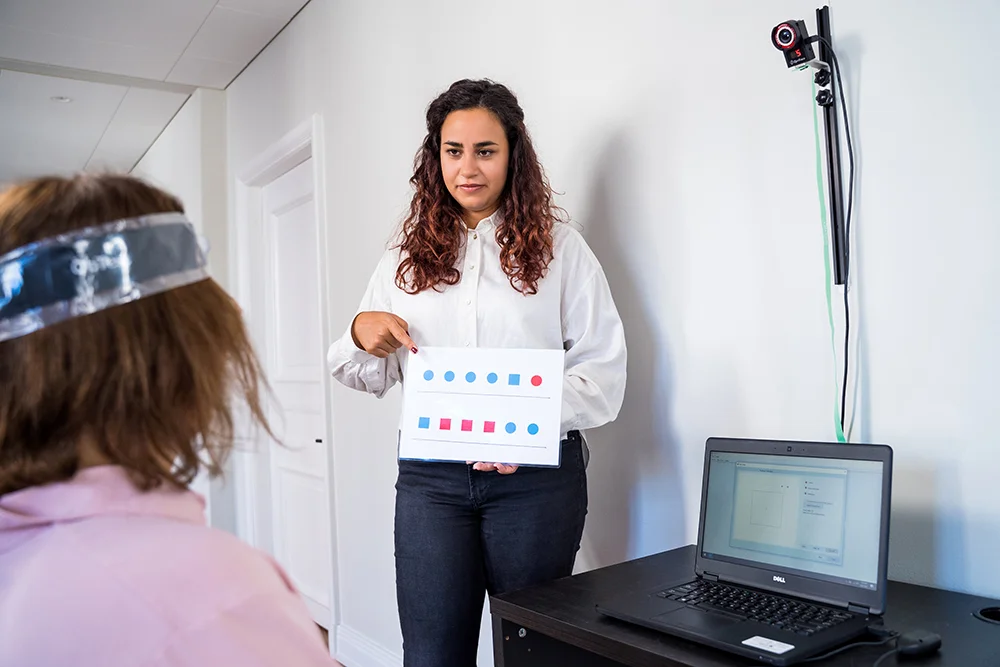
ADHD is a dynamic condition requiring continuous treatment adjustment. Ongoing QB Test assessments enable clinicians to monitor subtle symptom shifts, identify emerging challenges, and celebrate progress over time.
Dr. Clover states, “Successful ADHD support isn’t a one-time fix—it’s about ongoing adaptation and learning, grounded in transparent, objective data. ” This iterative process fosters a trusting therapeutic relationship and elevates the standard of care.
Common Misconceptions and Challenges in ADHD Treatment Monitoring
Why Relying Solely on Subjective Reports Can Lead to Misdiagnosis
Subjective reports are vulnerable to conscious and unconscious biases, reducing trustworthiness. Misdiagnosis can lead to inappropriate medication use or unnecessary behavioral interventions, prolonging patient distress and healthcare costs.
Objective ADHD treatment monitoring mitigates these risks by providing consistent, unbiased behavioral evidence, complementing but not replacing clinical insight.
Debunking Myths About Objective Testing in ADHD
Some clinicians fear objective tests may dehumanize care or oversimplify complex cases. However, experts like Dr. Clover argue that these tools enhance—not replace—the clinician-patient relationship by adding clarity and precision.
Objective testing is not a standalone diagnostic silver bullet but a critical component of a holistic, patient-centered approach to ADHD treatment monitoring.
Actionable Tips for Parents and Adults Navigating ADHD Treatment Monitoring
Seek clinicians who utilize objective measurement tools like the QB test
Understand that behavioral data provides a richer diagnostic picture than questionnaires alone
Ensure ongoing monitoring is part of your ADHD treatment plan to track progress clearly
Advocate for combining objective data with compassionate, individualized care
People Also Ask: FAQs on ADHD Treatment Monitoring
What monitoring is needed for ADHD medication? Regular follow-ups including symptom rating scales, objective behavioral tests like the QB Test, side effect tracking, and functional assessments are recommended to ensure efficacy and safety.
What is the 30% rule for ADHD? It refers to the observation that about 30% of patients may not respond fully to first-line ADHD medications, emphasizing the need for objective monitoring to guide treatment adjustments.
What is the monitoring tool for ADHD? The QB Test is a leading objective monitoring tool that records behavioral data to support diagnosis and track treatment progress.
What is the 1/3/5 rule for ADHD? A guideline suggesting patients be reassessed after 1 month, 3 months, and 5 months of treatment to monitor and optimize therapy effectively.
Comparison of Traditional Subjective Measures vs. QB Test in ADHD Treatment Monitoring
Criteria |
Traditional Subjective Measures |
QB Test |
|---|---|---|
Accuracy |
Variable due to bias and manipulation |
Higher, with 50% improved accuracy through objective tracking |
Objectivity |
Subject to patient/parent perceptions and clinical interpretation |
Data-driven, computerized measurement of motion and attention |
Clinical Utility |
Useful for initial symptom screening but limited for treatment monitoring |
Enables precise diagnosis and tracks treatment effectiveness over time |
Susceptible to Self-Diagnosis Bias |
High risk, especially with internet-informed patients |
Minimal, as behaviors are directly measured without subjective input |
Key Takeaways on Enhancing ADHD Treatment Monitoring with Objective Measures
"The QB test shifts ADHD assessment from subjective reports to precise, behaviorally grounded data, empowering better clinical decisions and improved patient outcomes." — Dr. Kim Clover, Clover Counseling Services
Integrating objective behavioral data like the QB Test elevates the standard of ADHD treatment monitoring, affording clinicians and families clear benchmarks for diagnosis and therapeutic progress. This approach strengthens treatment personalization, reduces misdiagnosis, and fosters collaborative, evidence-based care.

Conclusion: Redefining ADHD Treatment Monitoring Through Objective Behavioral Data
The Future of ADHD Diagnosis and Treatment is Data-Driven and Collaborative
The advent of tools such as the QB Test signals a paradigm shift in ADHD treatment monitoring. By embracing objective data, clinicians can move from guesswork toward precision medicine, maximizing treatment efficacy and patient satisfaction.
Empowering Patients and Families with Evidence-Based ADHD Care
Families and adults affected by ADHD gain empowerment through transparent, measurable insights into their condition, driving informed decisions and hope for meaningful life improvements.
Next Steps: Contact Clover Counseling Services for Advanced ADHD Treatment Monitoring
Schedule a consultation to learn how the QB test can enhance your diagnostic journey
Explore personalized ADHD treatment plans integrating objective monitoring
Access expert support from Dr. Kim Clover and Clover Counseling Services
Contact Information: Clover Counseling Services, Inc. Bartlett & Cordova, TN Phone: (901) 387-0026 Email: Care@clovercounselingservices. com Website: https://www. clovercounselingservices. com
What You'll Learn
The key advantages of objective ADHD treatment monitoring tools like the QB Test
How traditional subjective measures compare and why they fall short
Practical clinical applications of QB Test data for children and adults
Actionable advice for patients and parents to optimize ADHD treatment
Contact:
Dr. Kim Clover, Clover Counseling Servcies, Inc, Bartlett and Cordova Locations
Ph: (901) 387-0026 Email: Care@cloversounselingservcies.com Website: Https://www.CloverCounselingServcies.com




Write A Comment