 Add Row
  Add
Add 

Did you know that the lifespan of your water heater can vary dramatically based on water quality and plumbing materials? Understanding these water heater longevity factors can save homeowners thousands in costly repairs and premature replacements. In this expert interview, Eric Smith of The Hot Water Heater Pros in Franklin, TN, shares in-depth knowledge and advice to help homeowners protect their hot water systems, improve energy efficiency, and avoid common pitfalls during installation and maintenance.
What You'll Learn
Key water heater longevity factors affecting lifespan
Differences between tank and tankless water heaters
The impact of water quality and plumbing materials on heater durability
Proper maintenance practices to extend water heater life
Common installation challenges and how to avoid them
Energy efficiency tips to reduce hot water costs
Overview of Water Heater Longevity Factors
Understanding Water Heater Types: Tank vs Tankless

A water heater’s type plays a critical role in its expected lifespan and maintenance needs. Traditional tank water heaters typically store 40 to 50 gallons of hot water, using energy to keep the tank at a set temperature constantly. These units generally last between 8 to 12 years depending on several factors.
On the other hand, tankless water heaters heat water on demand as it flows through the unit, providing endless hot water while often boasting lifespans up to 20 years with proper upkeep. Yet, the advanced technology and specialized maintenance requirements mean tankless systems may incur higher initial costs and require expert installation.
How Water Quality Impacts Water Heater Longevity

Water quality is one of the most significant determinants of how long a water heater lasts. Hard water containing high mineral content, especially calcium and magnesium, leads to sediment buildup inside the tank. This sediment reduces heating efficiency, strains heating elements, and accelerates corrosion — all shortening the heater’s lifespan.
Eric Smith explains, “We see sediment buildup cause a water heater to work harder, which means it wears out faster. Homeowners with hard water or salt softeners need to be vigilant about annual flushing maintenance.” Additionally, corrosive salt used in softening systems can degrade plumbing and heaters unless salt levels are carefully controlled.
The Role of Plumbing Materials in Water Heater Durability
Common Plumbing Materials and Their Effects

The choice of plumbing materials can greatly influence water heater longevity. Common materials include copper, PEX, and CPVC pipes. Copper is prized for durability and corrosion resistance, while PEX offers flexibility and ease of installation.
CPVC, however, poses challenges as it tends to become brittle over time. Eric Smith shares a cautionary example: “High-end homes in Williamson County often use CPVC, but it can snap unexpectedly, causing leaks and flooding near the water heater. Many homeowners don’t realize their plumbing material could create hidden risks.” Proper selection and installation by licensed plumbers reduce such issues.
Why Licensed Plumbers Matter for Installation
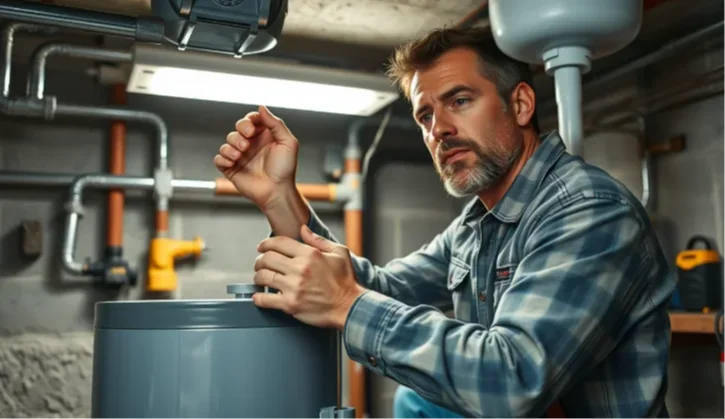
Installing a water heater requires expert knowledge, and it’s crucial to use licensed plumbers who understand local codes and proper techniques. As Eric Smith emphasizes, “Being licensed and insured isn’t just about compliance; it ensures installers can identify hidden problems like high water pressure or crossover plumbing issues that prematurely damage your water heater.”
Licensed professionals also guarantee safe venting, correct pressure settings, and prescribed maintenance schedules that all contribute to extending a water heater’s lifespan.
Proper Maintenance: The Key to Extending Water Heater Life
Annual Maintenance Practices
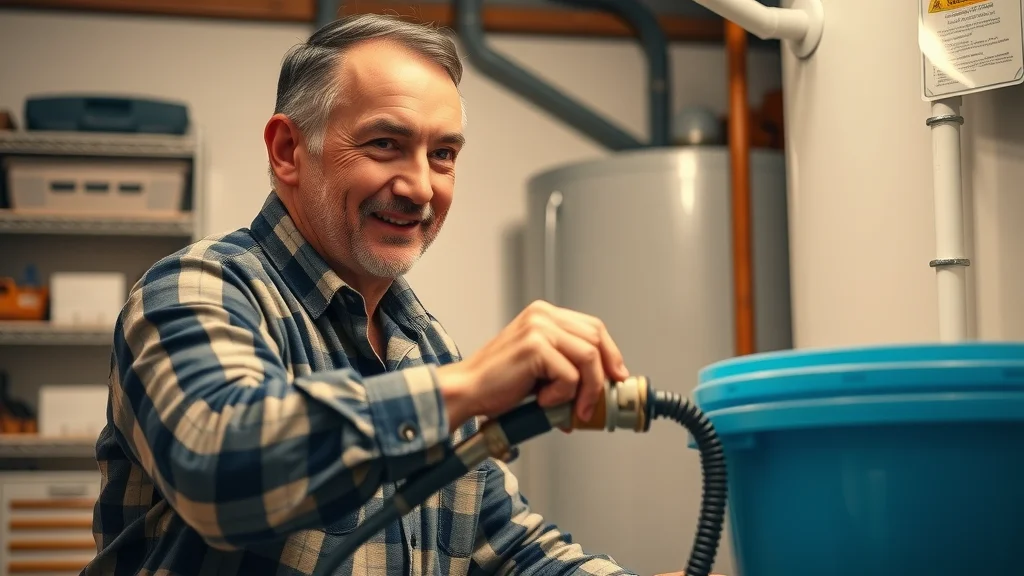
One of the simplest yet most effective ways to extend water heater longevity is performing annual maintenance. This includes flushing the tank to remove sediment buildup that compromises both efficiency and life expectancy. Eric Smith states, “If you can water your lawn, you can flush your water heater. Connect a garden hose to the drain valve, run the water until it clears, and you’re done.”
While tankless systems require professional flushing using a chemical decalcifier to protect the heat exchanger, tanked heaters benefit greatly from this easy homeowner task, potentially adding years to their lifespan.
Temperature Settings and Energy Efficiency
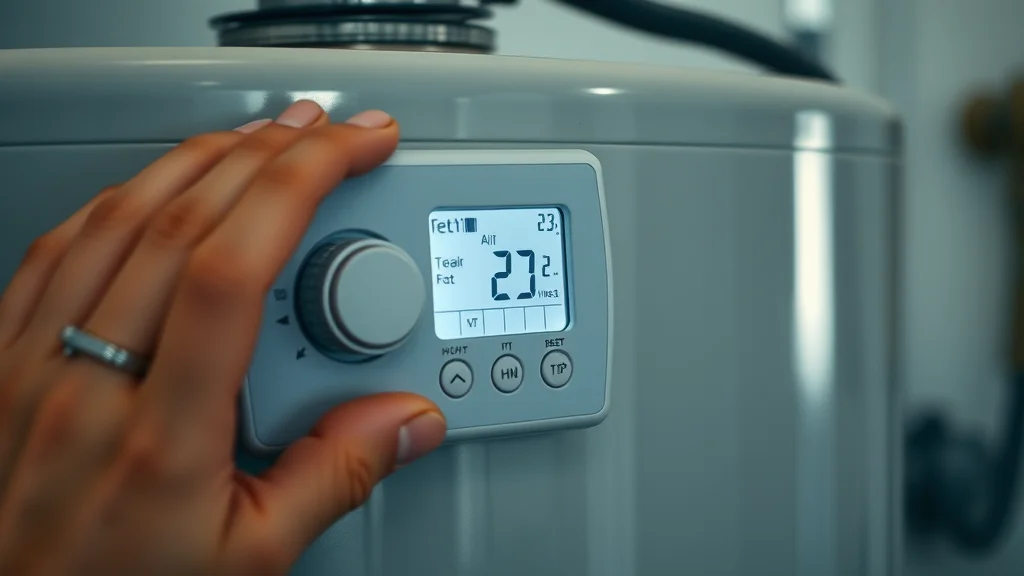
Setting your water heater to an appropriate temperature also directly impacts its durability and your energy costs. High temperatures accelerate tank corrosion and mineral damage, while unnecessarily low settings may waste energy and fail to meet household needs.
Eric Smith advises homeowners to keep their heaters at the manufacturer’s preset settings (around 120°F) or slightly lower if it satisfies hot water demands. “Lowering the temperature reduces strain on the tank and heating elements, saving energy and preventing premature failure.”
Common Installation Challenges and How to Address Them
Water heater installation can reveal unexpected complications. For example, homes with high water pressure may hasten tank deterioration if pressure reducing valves are faulty. Additionally, tankless installations occasionally uncover plumbing “crossovers,” where a minor crack in shower valves causes hot water to mix with cold water unexpectedly, disrupting temperature stability.
Eric Smith highlights the importance of expert diagnosis during installation, stating, “We find these hidden issues in about 5-10% of installations and work proactively to repair or advise customers, preventing recurring problems.” Choosing professionals adept in water heater longevity factors ensures these common challenges don’t shorten your system’s life.
Energy-Saving Tips to Reduce Hot Water Costs
Lower the water heater thermostat to the minimum comfortable temperature to reduce energy consumption and corrosion.
Schedule annual flushing and maintenance to improve efficiency by removing sediment buildup.
Choose energy-efficient fixtures and consider installing recirculating lines to reduce water waste and improve user convenience.
People Also Ask
What affects water heater lifespan?
Multiple factors influence lifespan, including water quality, sediment buildup, plumbing materials, temperature settings, maintenance regularity, and installation quality.
Is it worth fixing a 10 year old water heater?
Eric Smith advises caution: “Once a tank water heater reaches 10 years, repairs become less cost-effective. We recommend replacing rather than investing hundreds in repairs on units near the end of their expected life.”
How to prolong the life of your water heater?
Key steps include regular flushing of sediment, maintaining proper temperature settings, addressing water quality issues, and working with licensed professionals for installation and maintenance.
What is the longest life of a water heater?
With proper care, tank water heaters typically last 8-12 years, while tankless models can reach up to 20 years or more due to their design and professional upkeep.
Water Heater Type |
Typical Lifespan |
Key Longevity Factors |
|---|---|---|
Tank Water Heater |
8-12 years |
Water quality, sediment buildup, temperature settings, maintenance |
Tankless Water Heater |
Up to 20 years |
Water quality, heat exchanger maintenance, proper installation |
“We try to make clients for life, not just one sale. Proper maintenance and honest advice are what set us apart.” – Eric Smith, The Hot Water Heater Pros
Key Takeaways
Water quality and plumbing materials critically impact water heater longevity factors.
Regular maintenance, including flushing and decalcification, extends heater life and improves efficiency.
Licensed plumbers ensure proper installation and can identify hidden issues.
Tankless water heaters offer longer lifespan but require professional upkeep.
Lowering water heater temperature saves energy and reduces corrosion.
Contact The Hot Water Heater Pros
For expert water heater installation, maintenance, and repair services that prioritize longevity and energy efficiency, contact Eric Smith at The Hot Water Heater Pros in Franklin, Tennessee.
Call: (615) 767-0541
Visit: https://www.thehotwaterheaterpros.com
Trusted by hundreds of satisfied homeowners, The Hot Water Heater Pros focus on clear, honest pricing, expert licensed plumbing services, and building lasting client relationships that ensure you have reliable hot water for years to come.
Conclusion
Understanding and addressing critical water heater longevity factors like water quality, plumbing materials, and maintenance can significantly save homeowners money and extend system life. Following expert advice from Eric Smith and The Hot Water Heater Pros ensures a dependable hot water supply and energy-efficient operation well into the future.
Sources
Understanding the factors that influence water heater longevity is crucial for homeowners aiming to maximize their system’s lifespan and efficiency. Key elements include water quality, maintenance practices, installation quality, and usage patterns.
For a comprehensive overview, the article “7 Factors That Determine Your Water Heater’s Lifespan Most Homeowners Overlook” provides valuable insights into often-missed aspects affecting water heater durability. Additionally, “How Long Do Water Heaters Last?” by A.O. Smith offers detailed information on the expected lifespans of different water heater types and the factors influencing their longevity.
If you’re serious about extending your water heater’s lifespan and ensuring optimal performance, these resources will provide you with the necessary knowledge and strategies.




Write A Comment