• Menu
    • Home
  • Categories
    • Health, Wellness & Family
    • Outdoor Living & Curb Appeal
    • Home Services
    • HVAC
    • MidSouth Life Podcast
    • Plumbing
    • Roofing
    • Dentist
    • CPA
    • Electrician
    • Insurance
    • Flooring
    • Injury Law
    • Elder Law
    • Financial & Legal Services
    • Chiropractic & Physical Wellness
    • Events & Happenings
    • Business & Professional Services
    • Local Authority Spotlight
March 23.2026
1 Minute Read

What are some key preliminary questions to ask when hiring a Home Inspector in Mississippi?

Trey Manning's Expert Guide: Key Preliminary Questions Every Mississippi Home Buyer Must Ask

For anyone approaching the life-changing decision of buying a home in Mississippi, one question should stand at the forefront: what are some key preliminary questions to ask when hiring a home inspector in Mississippi? Your future peace of mind—and your investment—depend on making the right choice from the start. Leading the way in Mississippi and Memphis TN's home inspection industry, Trey Manning of Manning Home Inspections LLC brings encyclopedic knowledge, 30+ years of public service, and hands-on construction expertise directly to your side.

As countless home buyers, families, and real estate professionals across the region will attest, partnering with a seasoned, detail-oriented inspector makes all the difference. Throughout this guide, Trey’s candid, actionable advice will illuminate what truly separates a professional home inspection in Mississippi—and how asking the right questions upfront sets you on a path toward security and satisfaction. Are you ready to uncover the expert secrets that lead to smarter, more confident buying decisions?

"Experience matters deeply in home inspections. I always advise, ask how many years the inspector has worked and how many inspections they've completed—these are not just numbers, but proof of expertise."
- Trey Manning, Manning Home Inspections LLC

The Importance of Experience and Track Record in Mississippi Home Inspections

When you ask what are some key preliminary questions to ask when hiring a home inspector in Mississippi, Trey Manning’s most urgent advice is to focus first on experience and track record. In the field of home inspections, experience isn’t just a number on a business card—it’s the backbone of accuracy, thoroughness, and trust. According to Trey Manning, a long-standing history in both construction and inspections demonstrates not simply a familiarity with building standards, but a lived understanding of how homes in Mississippi age, settle, and weather unique regional conditions.

Trey’s years in construction, renovation, and professional inspecting translate directly into sharper eyes and a proactive approach to identifying potential issues. He asserts that deep experience means he often recognizes problems that less seasoned inspectors might overlook entirely. In Trey’s words, the right question to start with is, “How many years of experience do you have, and how many homes have you inspected?” This immediately sets the tone—proving you’re not just looking for a checkbox service, but for guidance from a true specialist.

Professional home inspector at work in Mississippi, holding inspection report and flashlight during a thorough home inspection in a modern Southern home.

"With over 25 years in construction and 10+ years inspecting, I understand the nuances that most buyers miss. Experience is key to uncovering potential hidden issues."
- Trey Manning, Manning Home Inspections LLC

Checking Reviews and Reputation: How to Vet Your Home Inspector Like a Pro

In today’s feedback-driven world, another of the key preliminary questions to ask when hiring a home inspector in Mississippi revolves around reputation. As Manning highlights, all the certifications in the world can’t replace what past clients say about the quality and professionalism of an inspector’s work. Before you make a decision, prioritize asking for references, credible reviews, and access to client testimonials. Are there consistent themes of responsiveness, attention to detail, and clear communication?

According to Trey Manning, examining an inspector’s online reputation can reveal patterns—not just isolated stories—about the inspector’s reliability and thoroughness. He urges buyers to look beyond superficial web listings, diving instead into detailed feedback that exposes whether the inspector leaves buyers feeling informed and empowered, or leaves more questions than answers. This transparency, he believes, separates truly professional inspectors from the crowd.

"Reviews can reveal consistent quality and professionalism. I encourage buyers to look beyond just certifications and focus on client feedback from past inspections." Trey Manning, Manning Home Inspections LLC

Understanding Licensing and Specialized Certifications in Mississippi Home Inspections

In Mississippi, home inspectors aren’t just regulated—they’re expected to possess a carefully vetted set of licenses and specialized certifications, especially for new construction. It’s easy for first-time buyers or those relocating to overlook these nuances, but Trey Manning emphasizes that proper licensing is not negotiable. In fact, one of the smartest preliminary questions you can ask is whether your inspector holds a Mississippi New Construction Inspector license and can show proof of specialized certification.

Trey’s commitment to compliance and ongoing professional development is a cornerstone of Manning Home Inspections LLC’s reputation. By verifying your inspector’s up-to-date licensure and checking for advanced certifications—such as those from the International Code Council—you ensure you’re not just hiring someone qualified for the basics, but someone who brings a specialized, in-depth approach to every inspection. This is a crucial step, especially for those purchasing new builds or renovator homes.

Mississippi home inspector licenses and certification documents for a professional inspector, emphasizing required credentials and ICC certification.

Why Mississippi New Construction Inspector License Matters

  • Qualification requirements including Residential Builder license: Only inspectors who have a documented history in hands-on building and construction can qualify, ensuring their expertise isn’t simply academic but truly practical.

  • Home Inspector license standards: The Mississippi state standards for home inspectors are stringent. Those who meet and exceed these standards demonstrate their ongoing commitment to quality and compliance.

  • International Code Council certification for specialized inspection areas: With ICC credentials, inspectors can demonstrate deep, up-to-date code knowledge—essential for new construction and homes with unique or advanced building features.

Pro Tips from Trey Manning: Essential Questions to Ensure Thorough, Unbiased Home Inspections

According to Trey Manning, discerning Mississippi home buyers should always go beyond surface-level checks and ask questions that get to the heart of the inspection process. Trey’s extensive construction background (over 120+ homes purchased and renovated, new builds, and 10+ years professionally inspecting) offers him a unique lens—one focused on actionable, unbiased assessments rather than simply meeting minimum industry standards.

What’s more, Trey encourages home buyers to treat the interview with their inspector as a critical first step in establishing trust and transparency. Ask about recent inspection experiences, confirm the inspector’s ongoing training, and inquire if they’re up-to-date on both technologies and regulatory changes. These questions ensure your inspector’s methods are modern, thorough, and always in your best interest.

  • Ask about the inspector's hands-on construction experience

  • Request specific examples of recent inspections and findings

  • Confirm areas of specialty, especially for new construction

  • Inquire about the inspection report format and timeline

  • Check for continued education or certifications

Mississippi homebuyer and inspector discussing comprehensive home inspection checklist together, emphasizing key questions and collaborative review.

Common Misconceptions About Hiring Home Inspectors in Mississippi

Even experienced buyers can fall prey to pervasive misconceptions when hiring a home inspector in Mississippi. Trey Manning regularly debunks these myths, noting that assuming all inspectors are equally qualified can lead to costly oversights. Many buyers, especially those prioritizing budget over track record, may not realize that thoroughness and specialty knowledge are rarely reflected in the lowest quote.

Another widespread misunderstanding is believing all inspections are comprehensive by default. According to Trey, home inspection is an evolving field—with codes, best practices, and building standards changing yearly. Those with only surface-level qualifications may fail to account for foundational issues, hidden defects, or specialized construction elements. Asking the right questions is the only safeguard against surprise repair bills and future headaches.

  1. Assuming all inspectors have the same qualifications

  2. Relying solely on cost instead of experience and thoroughness

  3. Believing a home inspection covers everything without specialized knowledge

Why Choosing Trey Manning of Manning Home Inspections Elevates Your Mississippi Home Buying Experience

When you’re preparing to make one of life’s biggest investments, you deserve a partner who offers expertise, transparency, and a local’s understanding. Trey Manning’s depth of experience—spanning construction, renovation, public safety, and specialized home inspection—ensures you’re not just getting a report, but a comprehensive risk assessment tailored to Mississippi homes. According to Trey, his background means clients receive insights that go far beyond surface-level checks, empowering buyers to make choices that build lasting peace of mind.

Trey’s reputation in North Mississippi and the Memphis TN areas is built on hundreds of glowing testimonials from families, real estate agents, and first-time buyers. Trust, independence, and accuracy underpin every inspection, making Manning Home Inspections LLC the go-to choice for those who can’t afford to get it wrong.

"My background in public service and deep construction knowledge means you get an inspector who sees the whole picture — ensuring peace of mind in your home purchase."

-Trey Manning, Manning Home Inspections LLC

Comprehensive Services and Local Expertise in North Mississippi and Memphis TN Areas

Beyond his qualifications, Trey Manning’s local expertise shines through in every inspection. He understands not just homes, but the unique environmental and construction factors that impact North Mississippi and Memphis neighborhoods. According to Trey, this regional insight often makes the difference between a catch missed by a “national” inspector—and the timely, actionable advice that saves thousands.

As you search for “what are some key preliminary questions to ask when hiring a home inspector in Mississippi?”, consider whether your candidate is truly invested in your community and comes with multi-layered experience, advanced certifications, and a dedication to unbiased, client-first service.

Experienced Mississippi home inspector and first-time buyer inspecting home exterior together, highlighting expert guidance and trust.
  • Unbiased, accurate, and thorough inspections

  • 25+ years construction and renovation experience

  • Trusted by families, first-time buyers, and real estate agents

Summary: Ask Smart, Choose Wisely — Your Home Inspection Checklist for Mississippi Buyers

The path to a confident, worry-free home purchase in Mississippi starts and ends with asking the right questions. As Trey Manning demonstrates, choosing wisely means verifying experience, demanding accountability, and selecting professionals deeply invested in both their craft and your local community. Whether you’re a first-time buyer, relocating, or searching for the best inspector for your real estate clients, Trey’s expert insights are your competitive edge.

Use this checklist at the outset of your home search to ensure you’re well-protected and informed. Each step is backed by years of practical home inspection experience, regulatory expertise, and relentless commitment to client satisfaction.

Comprehensive Mississippi home inspection checklist on clipboard with house keys, for buyers seeking thorough and trustworthy inspections.
  • Verify experience and number of inspections completed

  • Check credible reviews and client testimonials

  • Confirm proper licensing with Mississippi new construction certification

  • Ensure thoroughness and clear reporting

  • Trust an expert with local knowledge and deep construction skills

Next Step: Schedule Your Expert Home Inspection with Trey Manning Today

Your home buying journey deserves the oversight of a professional who brings more than just a license to the table—someone who is committed to your security, understands the unique demands of Mississippi homes, and will advocate for your best interest every step of the way. The next move is simple: take a proactive step and reach out to Trey Manning at Manning Home Inspections LLC for a conversation that could save you years of worry and thousands in unforeseen costs.

Choosing the right home inspector is your safeguard against the unknown. Secure your investment and gain true peace of mind—reach out now.

Welcoming Mississippi home inspector at doorway ready to conduct an expert home inspection for buyers.

CONTACT: Trey Manning, Manning Home Inspections, (662) 288-1491

Visit: https://manninghomeinspection.com


BIO:

Serving North Mississippi and Surrounding Areas
Mississippi and Tennessee Licensed Real Estate Inspector
Licensed MS Residential Builder
Every inspection utilizes flir camera and drone capabilities
Same Day Reporting
Open 7 days a Week

Community Service: Manning has over 30 years of public service including firefighter, law enforcement officer/pilot, EMS helicopter pilot and currently is still in public service providing air support to local law enforcement agencies and volunteers to provide air transportation for cancer patients back and forth to their doctor visits.

Local Authority Spotlight

233 Views

0 Comments

Write A Comment

*
*
Please complete the captcha to submit your comment.
Related Posts All Posts
10.05.2026

Implementing a Comprehensive Fraud-Prevention Process for Freight Brokers

Imagine assigning a shipment to an approved carrier, only to learn that another company is moving the freight without your knowledge. That hidden handoff can expose brokers and shippers to lost visibility, payment disputes, and cargo-security risks. A comprehensive freight fraud prevention process connects carrier approval, driver and equipment verification, shipment monitoring, and delivery records. This guide explains how technology and clear staff procedures can support that process, from carrier assignment through final delivery.How Big Is The Problem?Double brokering threatens more than a single shipment. An unauthorized carrier assignment can disrupt communication, delay delivery, leave an honest carrier unpaid, and create disputes over responsibility. Brokers, carriers, and shippers can all be harmed by the same transaction. 86%Of survey respondents who had experienced fraud reported double brokering. The April 2025 Broker Insights Survey included more than 700 freight brokers. This result describes that survey group, not all brokers or all shipments.The Scale of the Problem:Dominant Threat: According to industry surveys (such as Truckstop’s Broker Insights), roughly 86% of brokers who experience fraud identify double brokering as the primary and most destructive threat they face.Widespread Outbreak: Market volatility has driven a massive surge in unauthorized or malicious load handoffs, plaguing both small independent carriers and large enterprise brokerages.Criminal Evolution: While it can occasionally stem from innocent miscommunication or overbooking, it is increasingly executed by organized criminal rings using identity theft and compromised MC (Motor Carrier) numbers to siphon funds.The Challenge of Double BrokeringOne common form of double brokering occurs when a carrier accepts a load and secretly assigns it to another carrier without the original broker’s or shipper’s knowledge or approval. The problem is the concealed, unauthorized reassignment, not a properly approved change in equipment or personnel. For example, a broker assigns a shipment to Carrier A. Carrier A then gives the load to Carrier B without approval. Carrier B may be legitimate and unaware of the deception. If the middleman collects the payment and disappears, Carrier B may remain unpaid while the original broker faces a dispute. Fraudsters may also impersonate a legitimate carrier using stolen company information. A familiar company name or carrier number is not enough to establish that the person contacting you is authorized to act for that carrier. As an example, a broker may hire Carrier A; Carrier A then passes the freight to Carrier B without approval. Carrier B might be honest and unaware of wrongdoing, but the middleman can vanish with payment, leaving Carrier B unpaid. Some fraudsters even hijack real carriers’ identities to execute these scams, making detection even harder.Common Warning Signs of Double Brokering in the Trucking IndustryInformation that does not match. The driver’s name, carrier name, truck markings, or equipment details differ from the approved assignment. Unapproved changes. Pickup instructions, dispatch contacts, or delivery details change unexpectedly without a clear explanation and approval. Pressure to skip checks. Someone insists that the shipment must move before identity or equipment discrepancies are resolved. While one mismatched detail alone does not confirm double brokering such as equipment might break downs and, every such anomaly should be questioned carefully. If someone insists on skipping verification steps, treat it as a red flag.Verify Before Release: Pre-Load VerificationBefore freight is released, confirm that the carrier, driver, and equipment handling the load match the approved assignment. Coordinate the broker’s verification work with the shipper’s on-site checks. 1-Verify the carrier and coverage. Review the carrier’s operating authority through FMCSA and confirm insurance with the insurer or agent using independently verified contact information. 2-Confirm the load assignment. Call the carrier through a trusted number. FMCSA recommends checking contact numbers against SAFER and resolving discrepancies before proceeding. [2] 3-Match the driver and equipment. Review the driver’s name, phone number, license, vehicle registration, and tractor and trailer details. Compare truck-side markings and plate information with the approved carrier’s records. 4-Control the pickup. Use a secure, shipment-specific pickup reference. Have authorized shipping staff confirm the arriving driver and equipment, retain the relevant photos, and obtain broker approval for any substitution. According to Robert of CargoGuard, “Simply checking a carrier’s MC number or insurance certificate is not enough; you must confirm the actual driver and equipment handling your shipment to prevent fraud. ”Monitor and Respond: Maintaining Shipment Visibility After PickupIllustrative U.S. dispatch office. Screen displays are not screenshots of CargoGuard software.Keep monitoring after the truck leaves the dock. Review shipment updates and stay in contact with the verified driver. Unexpected stops, tracking gaps, or unexplained device changes warrant follow-up, but can also have routine operational or technical explanations. A device’s location does not, by itself, prove who has the freight. CargoGuard combines tracking, driver-verification tools, and alerts for potential location spoofing. These signals support investigation; they do not guarantee that fraud will be detected or prevented. When Potential Double Brokering Is Detected: A Repeatable Process 1-Confirm location and custody. Use trusted contacts to establish where the shipment is and who currently controls it. 2-Notify the right people. Inform the shipper, operations lead, and security team so everyone works from the same verified information. 3-Verify requested changes. Do not approve a new delivery location or transfer based solely on an unverified message. 4-Preserve the evidence. Keep communications, location history, driver and truck photos, pickup records, and relevant documents together. 5-Escalate suspected fraud or theft. Promptly involve law enforcement and notify your insurance provider. FMCSA also provides reporting guidance for identity theft and freight fraud. (Keep people safe. Do not ask a driver to confront a suspected fraudster. Coordinate a safe response with a shipper, relevant authorities, and your operations team.)From Carrier Assignment to Final DeliveryA strong freight fraud prevention process integrates verification and monitoring at every stage of shipment from carrier assignment to final delivery. The process ensures accountability and real-time response capability against double brokering and other fraudulent tactics.“The biggest gap in freight fraud prevention is the assumption that initial carrier approval covers all later steps. Continuous verification and clear processes are essential to close this gap.” Robert Enfield of CargoGuardCarrier selection Verify operating authority, confirm coverage, and validate the carrier’s contact information and load assignment. FMCSA records; insurer or agent confirmation; a trusted callback. Pre-pickup Match the driver, tractor, trailer, and pickup authorization to the approved assignment. Identity and equipment records; a secure pickup reference; truck and trailer photos. In transit Review location updates and alerts. Investigate unexplained gaps or changes with the verified driver. GPS tracking; relevant security alerts; documented communications. Delivery Confirm the destination and receiving details, and collect proof of delivery (POD). Delivery records; receiver confirmation; digital POD. Documentation Retain a record of who handled the freight, what changed, and who approved each exception. Shipment records; photos; messages; authorized system integrations. Connect Technology to Clear Responsibilities A supported integration can reduce repeated data entry and help teams review shipment information in their transportation management system (TMS). For a CargoGuard API integration, confirm the available endpoints, data fields, security requirements, and supported events with CargoGuard’s technical team before implementation. Do not assume that every platform feature or TMS connection is available through the API.Technology integration, like CargoGuard’s API connecting shipment data with Transportation Management Systems (TMS), streamlines verification checks and alert management without disrupting existing workflows. This synergy empowers teams to monitor active shipments and handle alerts efficiently. Technology should reinforce your process, not replace it. Assign responsibility for reviewing alerts, approving changes, and preserving records so that each issue has a clear owner. FREQUENTLY ASKED QUESTIONS:What is double brokering fraud? Double brokering fraud involves secretly reassigning a shipment without the original broker’s or shipper’s approval. For example, a carrier may accept a load and pass it to another carrier without authorization. The concealed reassignment can create payment, delivery, and cargo-security problems. Is checking a carrier’s authority and insurance enough? No. Those checks address the carrier’s business records, but they do not establish who is actually arriving to collect your shipment. Verify the load assignment, driver, and equipment, and have shipping staff compare the arriving truck with the approved details. Can GPS tracking alone prove who has the freight? No. GPS tracking reports the location of a device or tracking source. Combine it with driver verification, equipment checks, shipment records, and direct communication to investigate whether the freight remains with the authorized party. What should happen when pickup details do not match? Resolve the discrepancy before freight is released. Contact the carrier through trusted channels, determine whether the change is legitimate, and document any approval. A replacement driver or truck may be valid, but the change should not bypass verification. Summary of Key Takeaways Verify the actual pickup. Carrier approval is the starting point. The arriving driver, tractor, and trailer must still be checked against the authorized assignment. Maintain visibility through delivery. Review tracking and communications, investigate meaningful changes, and collect proof of delivery. Make exceptions visible. Record what changed, why it changed, who verified it, and who authorized the next step. Treat alerts as prompts to investigate. Use technology to support informed decisions rather than treating a location update or alert as conclusive evidence. Final Thoughts on Freight Fraud Prevention ProcessFreight fraud prevention works best as an end-to-end operating process, not a one-time carrier check. Connect the approved carrier to the verified driver and equipment, keep shipment visibility active, and document the delivery. When information changes, pause long enough to verify the change and obtain the required approval. Clear procedures help brokers and shipping teams apply these checks consistently. Train staff to recognize discrepancies, keep escalation contacts available, and make sure someone is responsible for reviewing unresolved alerts. The goal is a process your team can follow on every shipment, including when schedules are tight.Robert, of CargoGuard, concludes, "Freight fraud prevention is not a one-time check but a continuous commitment to connecting every load to the right people and equipment."Protect your freight with CargoGuard!Call: CargoGuard, (901) 255-0646 Or Visit: www.mycargoguard.comInterviewee: Robert L. Enfield, Co-Founder & UX/UI ArchitectRobert Enfield is Co-Founder & UX/UI Architect at CargoGuard. His background spans more than 20 years in asset-based trucking and third-party logistics. After seeing how double brokering and cargo theft affected brokers and shippers, he helped shape CargoGuard around the operational challenges his team encountered in the field.Sources and Image Credits 2025 Broker Insights Survey: original publisher’s release, April 9, 2025. The 86% figure applies to survey respondents who had experienced fraud. FMCSA, Broker and Carrier Fraud and Identity Theft, updated April 7, 2025. See the agency’s verification and reporting guidance. CargoGuard, Freight Tracking API. Integration scope and technical requirements must be confirmed for the intended workflow. Editorial basis: the supplied draft of John Crowder's interview with Robert Enfield, with source checks for survey wording, verification guidance, and API claims. Photos are AI-generated illustrations of U.S. freight operations, not photographs of CargoGuard employees, customers, or software. This article provides general operational guidance, not legal or insurance advice.

08.19.2026

How Can Poor Equipment Maintenance Lead to Expensive Repairs and Unexpected Downtime?

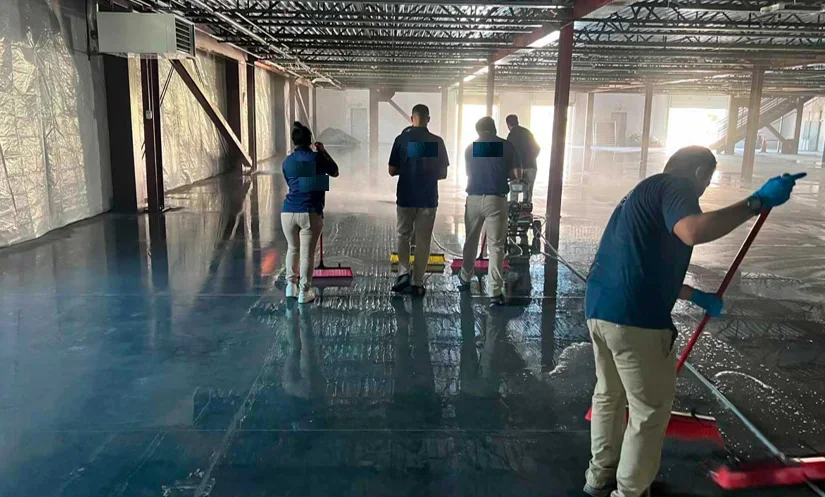
Charles Barnes and Rick Chambers Reveal Why Neglecting Equipment Maintenance Drains Your Bottom LineEvery business leader responsible for facility operations faces the same silent threat: hidden costs caused by poor equipment maintenance. As Charles Barnes and Rick Chambers of Janitor Supply Center of Memphis emphasize from decades of work in cleaning, restoration, and maintenance supply, the expense you see on a maintenance invoice is only the tip of the iceberg. Beneath the surface, undetected neglect erodes profitability, disrupts workflow, and erases gains.Most commercial property owners and facility managers tend to underestimate the true cost of skipping basic equipment upkeep. It’s easy to let maintenance checklists slide, especially in the rush of daily operations. Yet as Charles Barnes warns, the consequences are cumulative and costly: “Most people miss the fact that they don’t properly maintain equipment—filters go uncleaned, tanks unrinsed, and batteries unchecked. These neglects combine to cause downtime, higher labor costs, and expensive repairs.""Most people miss the fact that they don’t properly maintain equipment—filters go uncleaned, tanks unrinsed, and batteries unchecked. These neglects combine to cause downtime, higher labor costs, and expensive repairs." – Rick Chambers, Service ManagerThe Hidden Financial Burden Behind Poor Equipment MaintenanceAccording to Charles Barnes, the core reason businesses lose profit is not the price of regular maintenance, but the avalanche of hidden costs triggered by neglect. One unchecked filter or a forgotten battery inspection can set off a chain reaction: equipment falters, production stops, and your team scrambles to compensate. These seemingly “small” oversights ramp up your operational costs in ways that aren’t obvious until the damage is done.From Charles’s experience, the ripple effects are dramatic. A neglected floor scrubber or HVAC system might seem to save money short-term when you skip a routine check, but each missed maintenance opportunity makes catastrophic failure more likely. Repeated breakdowns not only demand costly repairs and parts, but also force workers to revert to manual methods—doubling or tripling labor costs. Adding insult to injury, inefficient machines gulp more power, pushing utility bills upward. These costs accumulate invisibly in the ledger until a single event—an emergency breakdown—suddenly makes them impossible to ignore.Increased and unexpected repair costs caused by neglected small issuesLost productivity from unplanned equipment downtimeHigher energy consumption due to inefficient, poorly maintained machinesShortened equipment lifespan leading to early costly replacementsSafety risks and emergency service calls disrupting operationsIdentifying Early Warning Signs That Signal Maintenance NeglectThe warning signs of poor equipment maintenance rarely announce themselves with a bang. According to Chambers, early indicators—like odd machine noises, rising utility bills, or frequent minor repairs—are your first clues that small issues are becoming big problems. Savvy managers keep their ear to the ground, tuning into these subtle signals because waiting for outright failure is always more expensive than addressing minor wear and tear up front.Barnes shares from his experience that overlooked basics like unclean filters, unrinsed tanks, or unchecked batteries may seem trivial, but these are the culprits behind “machine downtime, equipment downtime, lost labor productivity, and a snowball of higher repair costs." If your crew is reporting more frequent breakdowns, or if performance drops and energy usage spikes, it’s time to dig deeper. Each sign is a warning that the cost of putting off maintenance is about to outpace the small investment required to prevent bigger disasters.Unusual noises indicating potential mechanical wearRising utility bills from inefficient equipment operationFrequent repairs as a symptom of underlying maintenance failuresOverheating, leaks, vibrations, or inconsistent performance"Very few people even check the batteries before charging them, which sounds small but leads to bigger machine failures and costly downtime." – Rick Chambers, Service ManagerPreventive Maintenance Versus Reactive Repairs: The True Cost ComparisonWhen it comes to controlling costs, there’s a stark divide between businesses running on preventive maintenance plans and those that only react when something breaks. Charles Barnes repeatedly sees that the companies who schedule routine inspections and minor repairs enjoy more reliable equipment, less stress, and far fewer surprises in the budget. Conversely, a reactive approach inevitably triggers emergency repair calls, production halts, and too often, equipment that’s down for weeks while waiting for parts.The expert perspective from Charles Barnes is clear: proactive care consistently delivers long-term financial wins. Not only does it help catch small issues before they balloon into major repairs, it also maximizes your equipment’s operational life—delaying expensive replacement purchases. Predictable maintenance means predictable budgets, whereas “run till it breaks” leads to last-minute panic, overtime pay, and continuous damage to profit margins. Barnes’s advice is especially crucial for those overseeing critical infrastructure in large facilities, manufacturing lines, or multi-unit operations.Why Businesses Benefit More from Scheduled Maintenance PlansAccording to Charles Barnes, scheduled maintenance isn’t just about preventing breakdowns—it’s a strategic move to stabilize operational costs and safeguard productivity. Businesses that invest a little at regular intervals can avoid the handful of crisis moments that destroy months of profit in a blink. You lock in reliability, extend the lifespan of expensive machinery, and keep your teams focused on productive work instead of scrambling during unscheduled outages.Charles observes that those who follow maintenance plans are far less likely to need urgent service calls or emergency part orders—a fact that allows them to budget more effectively and present fewer nasty surprises to their CFOs. In essence, the real savings come from early detection and sticking to a preventive schedule, which also builds a culture of accountability and operational excellence from the ground up.A"real life" example of this 'painful lesson' is the importance of using the right chemicals in your equipment. "We had a customer that used the wrong chemicals and brush for his machine and totally ruined an epoxy floor costing them over $80,000 to fix."Cost savings through early detection and repair of minor issuesImproved equipment reliability and reduced emergency breakdownsPredictable budgeting by avoiding surprise repair expensesLong-term savings from maximizing equipment lifespan"When maintenance isn’t done right, a small repair can turn into a major repair that takes weeks to fix, costing companies far more." – Charles Barnes, Janitor Supply CenterReactive Repairs Lead to Higher Costs and Business InterruptionsChambers warns that companies who adopt a “repair-only-when-broken” mindset are courting disaster. Emergency calls often come at a premium, with rushed parts orders and technician overtime surcharges adding up quickly. Even more damaging is the unpredictable loss of productivity—equipment sits idle, teams are reassigned, and production schedules slip. According to Chambers, “instead of catching something that was small to repair, now it becomes a major repair, and you’re having to wait a week or two to get parts—and overall, it ends up costing the company more money. ”Beyond direct repair costs, unplanned breakdowns have ripple effects: missed client deadlines, reputational damage, and even regulatory or compliance risks if safety-critical systems go offline. Over time, a patchwork approach to maintenance chips away at your business’s operational resilience, exposing you to bigger bills and greater uncertainty every year.Building a Proactive Maintenance Plan That Saves Money and Prevents DowntimeThe difference between a thriving operation and one in constant crisis often comes down to a clear, actionable maintenance strategy. Charles Barnes advises that building a robust plan involves more than just scheduling cleanings—it requires a system for early detection, documentation, seasonal adjustments, and staff engagement at every level.Start by establishing inspection cycles that fit the demands of your workplace: different equipment and environments call for tailored frequency. Respond to seasonal shifts—think HVAC checks before summer heat or ice machine maintenance before winter. Keep detailed digital or paper records, so every service, repair, or issue creates a trail, enabling trends to be spotted early. Above all, empower your staff to report odd sounds, leaks, or performance dips immediately, and don’t hesitate to call in professional technicians for complex machinery. A proactive plan transforms maintenance from a dreaded expense into a controllable, budget-friendly investment.Establish regular inspection schedules aligned with equipment typesConduct seasonal maintenance aligned with environmental changesKeep detailed maintenance records to track issues and repairsTrain employees to report warning signs promptlyKnow when to call professional technicians for advanced serviceWhen Is It Time to Repair Versus Replace Your Equipment?Even the best maintenance plan can’t make commercial equipment last forever. Charles Barnes recommends that business owners balance the ongoing costs of repairs against the potential savings of replacement. Factors such as age, frequency of breakdowns, and overall cost of ownership should weigh heavily. In some cases, hanging onto outdated, inefficient, or frequently failing equipment is throwing good money after bad. Upgrading to newer models can yield operational efficiency, lower power bills, and fewer headaches—all of which contribute directly to your bottom line.To make informed decisions, consider tracking the total spend on repairs as a percentage of the equipment’s initial value and its projected future performance. If frequent fixes are undermining reliability, productivity, or compliance, it’s time for an upgrade.Assess equipment age and current repair frequencyAnalyze total cost of ownership including ongoing repairsConsider energy efficiency improvements with new modelsEvaluate ROI to determine financial wisdom of replacementSummary: Stop Hidden Maintenance Costs from Sapping Your Business ProfitKey Takeaways to Protect Your Operations and BudgetCharles Barnes’s expertise makes it clear: ignoring routine equipment care comes at a steep price. Small, inexpensive fixes—like cleaning filters or checking batteries—can prevent massive failures and protect your budget from surprise losses. Keep your eyes open for early warning signs and invest in a preventive maintenance plan to capture predictable costs and extend your asset lifespan. Regularly review your repair-to-replacement threshold to maximize efficiency and reinvest the savings into growing your business, not patching up the past.Small maintenance tasks prevent major costly failuresWatch for warning signs early to avoid surprise downtimeAdopt a preventive maintenance plan for predictable costsReplace equipment strategically to maximize efficiency and cost savings"It ultimately costs more money to avoid maintenance than to invest in it properly upfront." – Charles Barnes, Janitor Supply Center of MemphisTake Action: Learn How to Protect Your Equipment and Budget TodayContact Us:Janitor Supply Center of Memphis, Ph: (901) 324-8376 or Service (901) 467-4614Email: jscmemphis@outlook.com https://www.JanitorSupplyCenter.comAuthor: Charles Barnes, President / Owner, Janitor Supply Center of Memphis, Memphis, TNRick Chambers, Service Manger | Jerry Chambers, Service Advisor

08.14.2026

When a family first reaches out because they want to help a loved one age in place safely, how do you assess their unique needs, and what are the most important things you want them to understand about the products, services, and solutions that can make l

When a family first reaches out because they want to help a loved one age in place safely, they often have a powerful motivation at heart: keeping someone they love happy, healthy, and secure in their own home. Yet, for most caregivers, the path from good intentions to practical solutions is anything but clear—or easy. The truth is, what matters most isn’t just installing a few grab bars or buying the latest mobility aid. It’s about understanding each senior’s unique needs and creating a holistic plan that addresses both safety and quality of life.In this authoritative guide, Robert Williams—aging-at-home safety expert and founder of Direct Medical Supplies—walks families through how a professional home safety assessment works, what hidden risks experts spot that families often miss, and why customized solutions beat generic products every time. Drawing on years of experience and his company’s mission of compassionate, tailored care, Williams reveals the crucial knowledge every caregiver needs to help their loved one remain independent.Robert Williams Explains Why a Personalized Home Safety Assessment is the First Crucial Step for FamiliesAccording to Williams, the first and most essential phase when considering aging in place isn’t rushing out to buy popular products. Instead, it’s about a detailed, personalized home safety assessment—an evaluation that considers each senior’s mobility, health, cognitive and lifestyle circumstances. His message to families is simple but powerful: what keeps one loved one safe may be insufficient or even hazardous to another."Most families don't realize that a simple grab bar isn’t enough – each senior’s unique mobility, health, and cognitive needs demand a tailored safety plan to truly protect and empower them at home." – Robert Williams, Direct Medical SuppliesWilliams emphasizes that while generic home modifications may offer peace of mind, they fail to capture the nuances that make each situation different. For instance, what works for someone with arthritis and vision changes will be drastically different from what’s needed for a senior recovering from surgery with mild cognitive impairment. This is why, as Williams insists, the professional assessment is the cornerstone of true safety, independence, and comfort at home.Inside a Professional Aging-in-Place Assessment: What Families Need to KnowHow Experts Identify Hidden Safety Risks Beyond What Families Usually SeeOne of the main reasons families seek out Williams and his team is because they sense there are dangers lurking in the home that they can’t always identify or mitigate on their own. The expertise a professional brings is the ability to spot risks that loved ones might overlook—hazards woven into the fabric of daily routines or camouflaged by a home’s familiar comfort.For families in the Memphis area looking for hands-on support, learning more about Direct Medical Supplies’ Memphis location can be a practical next step. Their local team is equipped to provide in-depth assessments and tailored recommendations right where you need them most.As Williams notes, it’s easy for caregivers to focus exclusively on preventing falls, but a truly expert assessment reaches beyond that. The evaluation goes room-by-room, scrutinizing walkways, floors, bathrooms, entryways, and lighting. It considers not only mobility and medical history, but also cognitive function, habits, and preferences. “We focus not only on preventing falls, but also on keeping the person happy, healthy, and confident in their daily activities – that holistic approach makes all the difference,” Williams explains. Families are often amazed at the subtle, potentially dangerous details—like unsecured rugs, poor lighting, and acclimation to unsafe routines—that may have gone unnoticed for years."We focus not only on preventing falls, but also on keeping the person happy, healthy, and confident in their daily activities – that holistic approach makes all the difference." – Robert Williams, Direct Medical SuppliesThe Biggest Hazards in Typical Homes and How Targeted Modifications Address ThemAccording to Williams, the vast majority of homes contain four persistent danger zones for seniors. Each requires not only identification, but carefully considered solutions:Cluttered walkways and poor lighting: Tripping hazards increase as eyesight and mobility change with age. Clearing pathways and upgrading lighting can have an immediate, profound effect.Unsafe bathroom setups without grab bars or non-slip surfaces: The bathroom is the number one site for falls, and must be addressed with robust, customized modifications.Stairs without handrails or ramps: Difficulty with stairs is responsible for a significant percentage of hospitalizations. Proper support and access devices are critical.Inadequate mobility aids tailored to individual needs: Off-the-shelf solutions may not fit the unique requirements of each senior, potentially causing more harm than good.Williams explains that a professional assessment transforms a typical home into a strategically safe environment by addressing these hazards with precision—not generic fixes. The result is peace of mind for families and, far more importantly, for the loved one living there.Building a Customized Safety Plan: From Mobility Aids to Smart Home SolutionsWhy Properly Selected Equipment Prevents Accidents and Promotes IndependenceAfter a professional assessment, Williams and his team craft a detailed, prioritized action plan. The secret to success? Every recommendation—from hospital beds and shower chairs, to lighting systems and smart sensors—is carefully chosen and personally fitted. “Our catalog ranges from beds to mobility aids, and everything between, all chosen to fit lifestyles and support the journey toward health milestones,” Williams shares."Our catalog ranges from beds to mobility aids, and everything between, all chosen to fit lifestyles and support the journey toward health milestones." – Robert Williams, Direct Medical SuppliesWilliams notes that the psychological benefit of matched equipment can be just as transformative as its safety impact. Properly selected products restore dignity, enable autonomy, and foster confidence. As he puts it, products and services should be solutions, not just purchases. The right grab bar, transfer bench, or lift can mark the difference between daily frustration and functional, joyful living.How to Prioritize Home Improvements Based on Urgency and Budget ConstraintsNaturally, caregivers worry about cost and what to address first. Williams recommends using a risk-based, stepwise approach guided by the assessment’s findings and budget realities. The most urgent interventions counter the most severe and likely risks—bathroom modifications, handrails, and clear walkways—while upgrades like ramps or smart home devices can be phased in as resources allow.ModificationBenefitUrgencyCost RangeGrab BarsPrevents slips, especially in bathroomsHighLowLighting UpgradesReduces tripping hazardsMediumMediumRamps & Stair LiftsMaintains access and independenceVariableHighSmart Home SensorsMonitors safety and alerts caregiversMediumMedium-HighWilliams helps each family weigh immediate safety against available budget, ensuring that the most consequential changes happen first. His expert perspective is that even incremental progress can dramatically reduce risk. The crucial element is professional guidance when prioritizing improvements, rather than a piecemeal or guesswork approach.Timing Matters: When Families Should Seek a Professional Safety AssessmentThe Risks of Waiting Until After a FallOne of Williams’ strongest cautions for families is simple: "Don’t wait for a crisis." Although many caregivers only call after a loved one has experienced a fall or hospital visit, the truth is that most hazards are preventable if caught early. Falls remain the leading cause of injury and loss of independence for seniors, often resulting in hospitalizations or even permanent disability.Williams stresses that it’s far easier to make small, proactive changes now than to recover from an emergency. The data is clear: seniors who wait until after a fall to address home safety face greater challenges regaining independence. As he puts it, the best investment in comfort and peace of mind is always a proactive, not reactive, safety assessment.Signs It’s Time to Act Now to Keep Your Loved One SafeSo, how do you know it’s time to bring in an expert? Williams recommends watching for a few key warning signs:Changes in mobility or balanceIncreased forgetfulness or cognitive challengesDifficulty performing daily living activitiesRecent hospital or rehabilitation dischargeWhen any of these arise, it signals that the risks of remaining at home without further assessment have increased significantly. Even if just one of these resonates, Williams calls for immediate action: safeguarding independence takes planning, and every day matters.Summary: Why a Professional Aging-in-Place Assessment is the Best Investment for Your Family’s Peace of MindKey Takeaways for Caregivers Planning Safe, Comfortable Living at HomeEvery senior’s safety needs are unique and require professional evaluation.A tailored plan can drastically reduce fall risks and improve quality of life.Proactive assessments prevent costly and dangerous emergencies.Products and services should be solutions, not just purchases."Our mission is to provide compassionate care with personalized products that truly make daily life easier and safer for seniors and their families." – Robert Williams, Direct Medical SuppliesNext Steps: How to Begin Your Loved One’s Aging-in-Place Journey with ConfidenceWhen a family first reaches out because they want to help a loved one age in place safely, Robert Williams and Direct Medical Supplies stand ready to deliver a genuinely personal solution. Now is the moment to move from concern to confident action: schedule a professional home safety assessment, look for signs that it’s time to intervene, and prioritize improvements using expert guidance. As aging-in-place becomes a reality for more families, your loved one deserves the thoughtful, individualized plan—and the compassionate support—that only seasoned professionals provide.Start your family's journey to a safer, happier home—contact Direct Medical Supplies for a comprehensive aging-in-place assessment today.If you’re interested in exploring the full range of support available for seniors and caregivers, consider discovering more about the services and expertise offered by Direct Medical Supplies in Memphis. Their local presence means you can access not only assessments, but also ongoing guidance and a wide selection of adaptive equipment tailored to your loved one’s evolving needs. By connecting with a dedicated team that understands the unique challenges of aging in place, you’ll gain peace of mind and a partner in your family’s journey. Take the next step toward a safer, more comfortable home environment by learning how Direct Medical Supplies can help you navigate every stage of the process at their Memphis location.CONTACT:Direct Medical Supplies, Ph: (901) 737-5069 Email: robertwilliams316@gmail.comDirectMedicalofAmerica.comAUTHOR: Robert Williams, OwnerBIO: Direct Medical was started in 1999 selling Diabetic Shoes and Supplies.  Because of customer demand the company expanded into a full line DME supplier. In 2005 the need for Home Modifications and Assisted technologies began to increase and once again the company was up to the challenge.  DMS has provided hundreds of home modifications and Assistive technology products. We believe that flexibility and availability are key elements that allow us to meet the needs of our aging and dependent population.  Someone is on standby 24/7 to service those in need.  How do we stay small and sell big? It's simple: years of experience. Our mission is to offer you the latest in Medical Equipment and supplies at the best prices, along with unparalleled service. We pledge to use our best efforts to make your experience both beneficial and enjoyable. Once you give us a try, we're sure you’ll be back for more!

Your daily dose of Mid‑South lifestyle—wellness, home, travel, and local living.

COMPANY

  • Privacy Policy
  • Terms of Use
  • Advertise
  • Contact Us
  • Menu 5
  • Menu 6

Memphis, TN

ABOUT US

Midsouth Life highlights the people, places, and stories that make the Mid-South special. From local events and small business spotlights to home and wellness tips, we bring you the best of life in the Mid-South—authentic, uplifting, and always local.

© 2026 Local Unleashed All Rights Reserved. 3943 N US Highway 93, Mackay, ID 83251 . Contact Us . Terms of Service . Privacy Policy

eyJjb21wYW55IjoiTG9jYWwgVW5sZWFzaGVkIiwiYWRkcmVzcyI6IjM5NDMgTiBVUyBIaWdod2F5IDkzIiwiY2l0eSI6Ik1hY2theSIsInN0YXRlIjoiSUQiLCJ6aXAiOiI4MzI1MSIsImVtYWlsIjoiamF5eW91bmczNDBAZ21haWwuY29tIiwidG9zIjoiUEhBK1BITjBjbTl1Wno0OFpXMCtWMmhsYmlCNWIzVWdjMmxuYmkxcGJpQjNhWFJvSUhWekxDQjViM1VnWVhKbElHZHBkbWx1WnladVluTndPeUI1YjNWeUlIQmxjbTFwYzNOcGIyNGdZVzVrSUdOdmJuTmxiblFnZEc4Z2MyVnVaQ0I1YjNVZ1pXMWhhV3dnWVc1a0wyOXlJRk5OVXlCMFpYaDBJRzFsYzNOaFoyVnpMaUJDZVNCamFHVmphMmx1WnlCMGFHVWdWR1Z5YlhNZ1lXNWtJRU52Ym1ScGRHbHZibk1nWW05NElHRnVaQ0JpZVNCemFXZHVhVzVuSUdsdUlIbHZkU0JoZFhSdmJXRjBhV05oYkd4NUlHTnZibVpwY20wZ2RHaGhkQ0I1YjNVZ1lXTmpaWEIwSUdGc2JDQjBaWEp0Y3lCcGJpQjBhR2x6SUdGbmNtVmxiV1Z1ZEM0OEwyVnRQand2YzNSeWIyNW5Qand2Y0Q0S0NqeHdQanhoSUdoeVpXWTlJbWgwZEhBNkx5OTNkM2N1WjI5dloyeGxMbU52YlNJK2FIUjBjRG92TDNkM2R5NW5iMjluYkdVdVkyOXRQQzloUGp3dmNENEtDanh3UGladVluTndPend2Y0Q0S0NqeHdQanh6ZEhKdmJtYytVMFZTVmtsRFJUd3ZjM1J5YjI1blBqd3ZjRDRLQ2p4d1BsZGxJSEJ5YjNacFpHVWdZU0J6WlhKMmFXTmxJSFJvWVhRZ1kzVnljbVZ1ZEd4NUlHRnNiRzkzY3lCNWIzVWdkRzhnY21WalpXbDJaU0J5WlhGMVpYTjBjeUJtYjNJZ1ptVmxaR0poWTJzc0lHTnZiWEJoYm5rZ2FXNW1iM0p0WVhScGIyNHNJSEJ5YjIxdmRHbHZibUZzSUdsdVptOXliV0YwYVc5dUxDQmpiMjF3WVc1NUlHRnNaWEowY3l3Z1kyOTFjRzl1Y3l3Z1pHbHpZMjkxYm5SeklHRnVaQ0J2ZEdobGNpQnViM1JwWm1sallYUnBiMjV6SUhSdklIbHZkWElnWlcxaGFXd2dZV1JrY21WemN5QmhibVF2YjNJZ1kyVnNiSFZzWVhJZ2NHaHZibVVnYjNJZ1pHVjJhV05sTGlCWmIzVWdkVzVrWlhKemRHRnVaQ0JoYm1RZ1lXZHlaV1VnZEdoaGRDQjBhR1VnVTJWeWRtbGpaU0JwY3lCd2NtOTJhV1JsWkNBbWNYVnZkRHRCVXkxSlV5WnhkVzkwT3lCaGJtUWdkR2hoZENCM1pTQmhjM04xYldVZ2JtOGdjbVZ6Y0c5dWMybGlhV3hwZEhrZ1ptOXlJSFJvWlNCMGFXMWxiR2x1WlhOekxDQmtaV3hsZEdsdmJpd2diV2x6TFdSbGJHbDJaWEo1SUc5eUlHWmhhV3gxY21VZ2RHOGdjM1J2Y21VZ1lXNTVJSFZ6WlhJZ1kyOXRiWFZ1YVdOaGRHbHZibk1nYjNJZ2NHVnljMjl1WVd4cGVtRjBhVzl1SUhObGRIUnBibWR6TGp3dmNENEtDanh3UGxsdmRTQmhjbVVnY21WemNHOXVjMmxpYkdVZ1ptOXlJRzlpZEdGcGJtbHVaeUJoWTJObGMzTWdkRzhnZEdobElGTmxjblpwWTJVZ1lXNWtJSFJvWVhRZ1lXTmpaWE56SUcxaGVTQnBiblp2YkhabElIUm9hWEprSUhCaGNuUjVJR1psWlhNZ0tITjFZMmdnWVhNZ1UwMVRJSFJsZUhRZ2JXVnpjMkZuWlhNc0lFbHVkR1Z5Ym1WMElITmxjblpwWTJVZ2NISnZkbWxrWlhJZ2IzSWdZMlZzYkhWc1lYSWdZV2x5ZEdsdFpTQmphR0Z5WjJWektTNGdXVzkxSUdGeVpTQnlaWE53YjI1emFXSnNaU0JtYjNJZ2RHaHZjMlVnWm1WbGN5d2dhVzVqYkhWa2FXNW5JSFJvYjNObElHWmxaWE1nWVhOemIyTnBZWFJsWkNCM2FYUm9JSFJvWlNCa2FYTndiR0Y1SUc5eUlHUmxiR2wyWlhKNUlHOW1JR1ZoWTJnZ1UwMVRJSFJsZUhRZ2JXVnpjMkZuWlNCelpXNTBJSFJ2SUhsdmRTQmllU0IxY3k0Z1NXNGdZV1JrYVhScGIyNHNJSGx2ZFNCdGRYTjBJSEJ5YjNacFpHVWdZVzVrSUdGeVpTQnlaWE53YjI1emFXSnNaU0JtYjNJZ1lXeHNJR1Z4ZFdsd2JXVnVkQ0J1WldObGMzTmhjbmtnZEc4Z1lXTmpaWE56SUhSb1pTQlRaWEoyYVdObElHRnVaQ0J5WldObGFYWmxJSFJvWlNCVFRWTWdkR1Y0ZENCdFpYTnpZV2RsY3k0Z1YyVWdaRzhnYm05MElHTm9ZWEpuWlNCaGJua2dabVZsY3lCbWIzSWdaR1ZzYVhabGNua2diMllnWlcxaGFXd2diM0lnVTAxVExpQlVhR2x6SUdseklHRWdabkpsWlNCelpYSjJhV05sSUhCeWIzWnBaR1ZrSUdKNUlIVnpMaUJJYjNkbGRtVnlMQ0J3YkdWaGMyVWdZMmhsWTJzZ2QybDBhQ0I1YjNWeUlHbHVkR1Z5Ym1WMElITmxjblpwWTJVZ2NISnZkbWxrWlhJZ1lXNWtJR05sYkd4MWJHRnlJR05oY25KcFpYSWdabTl5SUdGdWVTQmphR0Z5WjJWeklIUm9ZWFFnYldGNUlHbHVZM1Z5SUdGeklHRWdjbVZ6ZFd4MElHWnliMjBnY21WalpXbDJhVzVuSUdWdFlXbHNJR0Z1WkNCVFRWTWdkR1Y0ZENCdFpYTnpZV2RsY3lCMGFHRjBJSGRsSUdSbGJHbDJaWElnZFhCdmJpQjViM1Z5SUc5d2RDMXBiaUJoYm1RZ2NtVm5hWE4wY21GMGFXOXVJSGRwZEdnZ2IzVnlJR1Z0WVdsc0lHRnVaQ0JUVFZNZ2MyVnlkbWxqWlhNdUlGbHZkU0JqWVc0Z1kyRnVZMlZzSUdGMElHRnVlU0IwYVcxbExpQktkWE4wSUhSbGVIUWdKbkYxYjNRN1UxUlBVQ1p4ZFc5ME95QjBieVp1WW5Od096eG9hV2RvYkdsbmFIUWdZMnhoYzNNOUltTnZiWEJoYm5sVFRWTlFhRzl1WlZWd1pHRjBaU0krYm5Wc2JEd3ZhR2xuYUd4cFoyaDBQaTRnUVdaMFpYSWdlVzkxSUhObGJtUWdkR2hsSUZOTlV5QnRaWE56WVdkbElDWnhkVzkwTzFOVVQxQW1jWFZ2ZERzZ2RHOGdkWE1zSUhkbElIZHBiR3dnYzJWdVpDQjViM1VnWVc0Z1UwMVRJRzFsYzNOaFoyVWdkRzhnWTI5dVptbHliU0IwYUdGMElIbHZkU0JvWVhabElHSmxaVzRnZFc1emRXSnpZM0pwWW1Wa0xpQkJablJsY2lCMGFHbHpMQ0I1YjNVZ2QybHNiQ0J1YnlCc2IyNW5aWElnY21WalpXbDJaU0JUVFZNZ2JXVnpjMkZuWlhNZ1puSnZiU0IxY3k0OEwzQStDZ284Y0Q0OGMzUnliMjVuUGxsUFZWSWdVa1ZIU1ZOVVVrRlVTVTlPSUU5Q1RFbEhRVlJKVDA1VFBDOXpkSEp2Ym1jK1BDOXdQZ29LUEhBK1NXNGdZMjl1YzJsa1pYSmhkR2x2YmlCdlppQjViM1Z5SUhWelpTQnZaaUIwYUdVZ1UyVnlkbWxqWlN3Z2VXOTFJR0ZuY21WbElIUnZPand2Y0Q0S0NqeHZiRDRLQ1R4c2FUNXdjbTkyYVdSbElIUnlkV1VzSUdGalkzVnlZWFJsTENCamRYSnlaVzUwSUdGdVpDQmpiMjF3YkdWMFpTQnBibVp2Y20xaGRHbHZiaUJoWW05MWRDQjViM1Z5YzJWc1ppQmhjeUJ3Y205dGNIUmxaQ0JpZVNCMGFHVWdVMlZ5ZG1salpTWWpNems3Y3lCeVpXZHBjM1J5WVhScGIyNGdabTl5YlNBb2MzVmphQ0JwYm1admNtMWhkR2x2YmlCaVpXbHVaeUIwYUdVZ0puRjFiM1E3VW1WbmFYTjBjbUYwYVc5dUlFUmhkR0VtY1hWdmREc3BJR0Z1WkR3dmJHaytDZ2s4YkdrK2JXRnBiblJoYVc0Z1lXNWtJSEJ5YjIxd2RHeDVJSFZ3WkdGMFpTQjBhR1VnVW1WbmFYTjBjbUYwYVc5dUlFUmhkR0VnZEc4Z2EyVmxjQ0JwZENCMGNuVmxMQ0JoWTJOMWNtRjBaU3dnWTNWeWNtVnVkQ0JoYm1RZ1kyOXRjR3hsZEdVdUlFbG1JSGx2ZFNCd2NtOTJhV1JsSUdGdWVTQnBibVp2Y20xaGRHbHZiaUIwYUdGMElHbHpJSFZ1ZEhKMVpTd2dhVzVoWTJOMWNtRjBaU3dnYm05MElHTjFjbkpsYm5RZ2IzSWdhVzVqYjIxd2JHVjBaU3dnYjNJZ2QyVWdhR0YyWlNCeVpXRnpiMjVoWW14bElHZHliM1Z1WkhNZ2RHOGdjM1Z6Y0dWamRDQjBhR0YwSUhOMVkyZ2dhVzVtYjNKdFlYUnBiMjRnYVhNZ2RXNTBjblZsTENCcGJtRmpZM1Z5WVhSbExDQnViM1FnWTNWeWNtVnVkQ0J2Y2lCcGJtTnZiWEJzWlhSbExDQjNaU0JvWVhabElIUm9aU0J5YVdkb2RDQjBieUJ6ZFhOd1pXNWtJRzl5SUR4emRISnZibWMrUEhOd1lXNGdjM1I1YkdVOUltTnZiRzl5T2lOR1JqQXdNREE3SWo1MFpYSnRhVzVoZEdVZ2VXOTFjaUJoWTJOdmRXNTBMM0J5YjJacGJHVWdZVzVrSUhKbFpuVnpaU0JoYm5rZ1lXNWtJR0ZzYkNCamRYSnlaVzUwSUc5eUlHWjFkSFZ5WlNCMWMyVWdiMllnZEdobElGTmxjblpwWTJVZ0tHOXlJR0Z1ZVNCd2IzSjBhVzl1SUhSb1pYSmxiMllwTGp3dmMzQmhiajQ4TDNOMGNtOXVaejQ4TDJ4cFBnbzhMMjlzUGdvS1BIQStKbTVpYzNBN1BDOXdQZ284YUdsbmFHeHBaMmgwSUdOc1lYTnpQU0pqYjIxd1lXNTVUbUZ0WlZWd1pHRjBaU0krVEc5allXd2dWVzVzWldGemFHVmtQQzlvYVdkb2JHbG5hSFErUEdKeUlDOCtDanhvYVdkb2JHbG5hSFFnWTJ4aGMzTTlJbU52YlhCaGJubEJaR1J5WlhOelZYQmtZWFJsSWo0ek9UUXpJRTRnVlZNZ1NHbG5hSGRoZVNBNU15d2dUV0ZqYTJGNUxDQkpSQ0E0TXpJMU1Ud3ZhR2xuYUd4cFoyaDBQanhpY2lBdlBnbzhhR2xuYUd4cFoyaDBJR05zWVhOelBTSmpiMjF3WVc1NVVHaHZibVZWY0dSaGRHVWlQamt3TVRZME56VTJPREU4TDJocFoyaHNhV2RvZEQ0OFluSWdMejRLUEdocFoyaHNhV2RvZENCamJHRnpjejBpWTI5dGNHRnVlVVZ0WVdsc1ZYQmtZWFJsSWo1cVlYbDViM1Z1WnpNME1FQm5iV0ZwYkM1amIyMDhMMmhwWjJoc2FXZG9kRDQ9IiwicHJpdmFjeSI6IlBIQStQSE4wY205dVp6NVFVa2xXUVVOWlBDOXpkSEp2Ym1jK1BDOXdQZ29LUEhBK1BITjBjbTl1Wno1VWFHVWdhVzVtYjNKdFlYUnBiMjRnY0hKdmRtbGtaV1FnWkhWeWFXNW5JSFJvYVhNZ2NtVm5hWE4wY21GMGFXOXVJR2x6SUd0bGNIUWdjSEpwZG1GMFpTQmhibVFnWTI5dVptbGtaVzUwYVdGc0xDQmhibVFnZDJsc2JDQnVaWFpsY2lCaVpTQmthWE4wY21saWRYUmxaQ3dnWTI5d2FXVmtMQ0J6YjJ4a0xDQjBjbUZrWldRZ2IzSWdjRzl6ZEdWa0lHbHVJR0Z1ZVNCM1lYa3NJSE5vWVhCbElHOXlJR1p2Y20wdUlGUm9hWE1nYVhNZ2IzVnlJR2QxWVhKaGJuUmxaUzQ4TDNOMGNtOXVaejQ4TDNBK0NnbzhjRDQ4YzNSeWIyNW5Qa2xPUkVWTlRrbFVXVHd2YzNSeWIyNW5Qand2Y0Q0S0NqeHdQanhsYlQ1WmIzVWdZV2R5WldVZ2RHOGdhVzVrWlcxdWFXWjVJR0Z1WkNCb2IyeGtJSFZ6TENCaGJtUWdhWFJ6SUhOMVluTnBaR2xoY21sbGN5d2dZV1ptYVd4cFlYUmxjeXdnYjJabWFXTmxjbk1zSUdGblpXNTBjeXdnWTI4dFluSmhibVJsY25NZ2IzSWdiM1JvWlhJZ2NHRnlkRzVsY25Nc0lHRnVaQ0JsYlhCc2IzbGxaWE1zSUdoaGNtMXNaWE56SUdaeWIyMGdZVzU1SUdOc1lXbHRJRzl5SUdSbGJXRnVaQ3dnYVc1amJIVmthVzVuSUhKbFlYTnZibUZpYkdVZ1lYUjBiM0p1WlhsekppTXpPVHNnWm1WbGN5d2diV0ZrWlNCaWVTQmhibmtnZEdocGNtUWdjR0Z5ZEhrZ1pIVmxJSFJ2SUc5eUlHRnlhWE5wYm1jZ2IzVjBJRzltSUVOdmJuUmxiblFnZVc5MUlISmxZMlZwZG1Vc0lITjFZbTFwZEN3Z2NtVndiSGtzSUhCdmMzUXNJSFJ5WVc1emJXbDBJRzl5SUcxaGEyVWdZWFpoYVd4aFlteGxJSFJvY205MVoyZ2dkR2hsSUZObGNuWnBZMlVzSUhsdmRYSWdkWE5sSUc5bUlIUm9aU0JUWlhKMmFXTmxMQ0I1YjNWeUlHTnZibTVsWTNScGIyNGdkRzhnZEdobElGTmxjblpwWTJVc0lIbHZkWElnZG1sdmJHRjBhVzl1SUc5bUlIUm9aU0JVVDFNc0lHOXlJSGx2ZFhJZ2RtbHZiR0YwYVc5dUlHOW1JR0Z1ZVNCeWFXZG9kSE1nYjJZZ1lXNXZkR2hsY2k0OEwyVnRQand2Y0Q0S0NqeHdQanh6ZEhKdmJtYytSRWxUUTB4QlNVMUZVaUJQUmlCWFFWSlNRVTVVU1VWVFBDOXpkSEp2Ym1jK1BDOXdQZ29LUEhBK1BITjBjbTl1Wno1WlQxVWdSVmhRVWtWVFUweFpJRlZPUkVWU1UxUkJUa1FnUVU1RUlFRkhVa1ZGSUZSSVFWUTZQQzl6ZEhKdmJtYytQQzl3UGdvS1BHOXNQZ29KUEd4cFBsbFBWVklnVlZORklFOUdJRlJJUlNCVFJWSldTVU5GSUVsVElFRlVJRmxQVlZJZ1UwOU1SU0JTU1ZOTExpQlVTRVVnVTBWU1ZrbERSU0JKVXlCUVVrOVdTVVJGUkNCUFRpQkJUaUFtY1hWdmREdEJVeUJKVXlaeGRXOTBPeUJCVGtRZ0puRjFiM1E3UVZNZ1FWWkJTVXhCUWt4RkpuRjFiM1E3SUVKQlUwbFRMaUFzTGlCQlRrUWdWVk1zSUVsVUppTXpPVHRUSUVOVlUxUlBUVVZTVXl3Z1JWaFFVa1ZUVTB4WklFUkpVME5NUVVsTlV5QkJURXdnVjBGU1VrRk9WRWxGVXlCUFJpQkJUbGtnUzBsT1JDd2dWMGhGVkVoRlVpQkZXRkJTUlZOVElFOVNJRWxOVUV4SlJVUXNJRWxPUTB4VlJFbE9SeXdnUWxWVUlFNVBWQ0JNU1UxSlZFVkVJRlJQSUZSSVJTQkpUVkJNU1VWRUlGZEJVbEpCVGxSSlJWTWdUMFlnVFVWU1EwaEJUbFJCUWtsTVNWUlpMQ0JHU1ZST1JWTlRJRVpQVWlCQklGQkJVbFJKUTFWTVFWSWdVRlZTVUU5VFJTQkJUa1FnVGs5T0xVbE9SbEpKVGtkRlRVVk9WQzQ4TDJ4cFBnb0pQR3hwUGsxQlMwVlRJRTVQSUZkQlVsSkJUbFJaSUZSSVFWUWdLR2twSUZSSVJTQlRSVkpXU1VORklGZEpURXdnVFVWRlZDQlpUMVZTSUZKRlVWVkpVa1ZOUlU1VVV5d2dLR2xwS1NCVVNFVWdVMFZTVmtsRFJTQlhTVXhNSUVKRklGVk9TVTVVUlZKU1ZWQlVSVVFzSUZSSlRVVk1XU3dnVTBWRFZWSkZMQ0JQVWlCRlVsSlBVaTFHVWtWRkxDQW9hV2xwS1NCVVNFVWdVa1ZUVlV4VVV5QlVTRUZVSUUxQldTQkNSU0JQUWxSQlNVNUZSQ0JHVWs5TklGUklSU0JWVTBVZ1QwWWdWRWhGSUZORlVsWkpRMFVnVjBsTVRDQkNSU0JCUTBOVlVrRlVSU0JQVWlCU1JVeEpRVUpNUlN3Z1FVNUVJQ2hwZGlrZ1FVNVpJRVZTVWs5U1V5QkpUaUJVU0VVZ1UwOUdWRmRCVWtVZ1YwbE1UQ0JDUlNCRFQxSlNSVU5VUlVRdVBDOXNhVDRLQ1R4c2FUNUJUbGtnVFVGVVJWSkpRVXdnUkU5WFRreFBRVVJGUkNCUFVpQlBWRWhGVWxkSlUwVWdUMEpVUVVsT1JVUWdWRWhTVDFWSFNDQlVTRVVnVlZORklFOUdJRlJJUlNCVFJWSldTVU5GSUVsVElFUlBUa1VnUVZRZ1dVOVZVaUJQVjA0Z1JFbFRRMUpGVkVsUFRpQkJUa1FnVWtsVFN5QkJUa1FnVkVoQlZDQlpUMVVnVjBsTVRDQkNSU0JUVDB4RlRGa2dVa1ZUVUU5T1UwbENURVVnUms5U0lFRk9XU0JFUVUxQlIwVWdWRThnV1U5VlVpQkRUMDFRVlZSRlVpQlRXVk5VUlUwZ1QxSWdURTlUVXlCUFJpQkVRVlJCSUZSSVFWUWdVa1ZUVlV4VVV5QkdVazlOSUZSSVJTQkVUMWRPVEU5QlJDQlBSaUJCVGxrZ1UxVkRTQ0JOUVZSRlVrbEJUQzQ4TDJ4cFBnb0pQR3hwUGs1UElFRkVWa2xEUlNCUFVpQkpUa1pQVWsxQlZFbFBUaXdnVjBoRlZFaEZVaUJQVWtGTUlFOVNJRmRTU1ZSVVJVNHNJRTlDVkVGSlRrVkVJRUpaSUZsUFZTQkdVazlOSUU5U0lGUklVazlWUjBnZ1QxSWdSbEpQVFNCVVNFVWdVMFZTVmtsRFJTQlRTRUZNVENCRFVrVkJWRVVnUVU1WklGZEJVbEpCVGxSWklFNVBWQ0JGV0ZCU1JWTlRURmtnVTFSQlZFVkVJRWxPSUZSSVJTQlVUMU11UEM5c2FUNEtQQzl2YkQ0S0NqeHdQanh6ZEhKdmJtYytURWxOU1ZSQlZFbFBUaUJQUmlCTVNVRkNTVXhKVkZrOEwzTjBjbTl1Wno0OEwzQStDZ284Y0Q1WlQxVWdSVmhRVWtWVFUweFpJRlZPUkVWU1UxUkJUa1FnUVU1RUlFRkhVa1ZGSUZSSVFWUWdRVTVFSUZOSVFVeE1JRTVQVkNCQ1JTQk1TVUZDVEVVZ1JrOVNJRUZPV1NCRVNWSkZRMVFzSUVsT1JFbFNSVU5VTENCSlRrTkpSRVZPVkVGTUxDQlRVRVZEU1VGTUxDQkRUMDVUUlZGVlJVNVVTVUZNSUU5U0lFVllSVTFRVEVGU1dTQkVRVTFCUjBWVExDQkpUa05NVlVSSlRrY2dRbFZVSUU1UFZDQk1TVTFKVkVWRUlGUlBMQ0JFUVUxQlIwVlRJRVpQVWlCTVQxTlRJRTlHSUZCU1QwWkpWRk1zSUVkUFQwUlhTVXhNTENCVlUwVXNJRVJCVkVFZ1QxSWdUMVJJUlZJZ1NVNVVRVTVIU1VKTVJTQk1UMU5UUlZNZ0tFVldSVTRnU1VZZ1NFRlRJRUpGUlU0Z1FVUldTVk5GUkNCUFJpQlVTRVVnVUU5VFUwbENTVXhKVkZrZ1QwWWdVMVZEU0NCRVFVMUJSMFZUS1N3Z1VrVlRWVXhVU1U1SElFWlNUMDA2UEM5d1Bnb0tQRzlzUGdvSlBHeHBQbFJJUlNCVlUwVWdUMUlnVkVoRklFbE9RVUpKVEVsVVdTQlVUeUJWVTBVZ1ZFaEZJRk5GVWxaSlEwVTdQQzlzYVQ0S0NUeHNhVDVVU0VVZ1EwOVRWQ0JQUmlCUVVrOURWVkpGVFVWT1ZDQlBSaUJUVlVKVFZFbFVWVlJGSUVkUFQwUlRJRUZPUkNCVFJWSldTVU5GVXlCU1JWTlZURlJKVGtjZ1JsSlBUU0JCVGxrZ1IwOVBSRk1zSUVSQlZFRXNJRWxPUms5U1RVRlVTVTlPSUU5U0lGTkZVbFpKUTBWVElGQlZVa05JUVZORlJDQlBVaUJQUWxSQlNVNUZSQ0JQVWlCTlJWTlRRVWRGVXlCU1JVTkZTVlpGUkNCUFVpQlVVa0ZPVTBGRFZFbFBUbE1nUlU1VVJWSkZSQ0JKVGxSUElGUklVazlWUjBnZ1QxSWdSbEpQVFNCVVNFVWdVMFZTVmtsRFJUczhMMnhwUGdvSlBHeHBQbFZPUVZWVVNFOVNTVnBGUkNCQlEwTkZVMU1nVkU4Z1QxSWdRVXhVUlZKQlZFbFBUaUJQUmlCWlQxVlNJRlJTUVU1VFRVbFRVMGxQVGxNZ1QxSWdSRUZVUVRzOEwyeHBQZ29KUEd4cFBsTlVRVlJGVFVWT1ZGTWdUMUlnUTA5T1JGVkRWQ0JQUmlCQlRsa2dWRWhKVWtRZ1VFRlNWRmtnVDA0Z1ZFaEZJRk5GVWxaSlEwVTdJRTlTUEM5c2FUNEtDVHhzYVQ1QlRsa2dUMVJJUlZJZ1RVRlVWRVZTSUZKRlRFRlVTVTVISUZSUElGUklSU0JUUlZKV1NVTkZMand2YkdrK0Nqd3ZiMncrQ2dvOGNENDhkVDVDZVNCeVpXZHBjM1JsY21sdVp5QmhibVFnYzNWaWMyTnlhV0pwYm1jZ2RHOGdiM1Z5SUdWdFlXbHNJR0Z1WkNCVFRWTWdjMlZ5ZG1salpTd2dZbmtnYjNCMExXbHVMQ0J2Ym14cGJtVWdjbVZuYVhOMGNtRjBhVzl1SUc5eUlHSjVJR1pwYkd4cGJtY2diM1YwSUdFZ1kyRnlaQ3dnSm5GMWIzUTdlVzkxSUdGbmNtVmxJSFJ2SUhSb1pYTmxJRlJGVWsxVElFOUdJRk5GVWxaSlEwVW1jWFZ2ZERzZ1lXNWtJSGx2ZFNCaFkydHViM2RzWldSblpTQmhibVFnZFc1a1pYSnpkR0Z1WkNCMGFHVWdZV0p2ZG1VZ2RHVnliWE1nYjJZZ2MyVnlkbWxqWlNCdmRYUnNhVzVsWkNCaGJtUWdaR1YwWVdsc1pXUWdabTl5SUhsdmRTQjBiMlJoZVM0OEwzVStQQzl3UGdvS1BIQStKbTVpYzNBN1BDOXdQZ284YUdsbmFHeHBaMmgwSUdOc1lYTnpQU0pqYjIxd1lXNTVUbUZ0WlZWd1pHRjBaU0krVEc5allXd2dWVzVzWldGemFHVmtQQzlvYVdkb2JHbG5hSFErUEdKeUlDOCtDanhvYVdkb2JHbG5hSFFnWTJ4aGMzTTlJbU52YlhCaGJubEJaR1J5WlhOelZYQmtZWFJsSWo0ek9UUXpJRTRnVlZNZ1NHbG5hSGRoZVNBNU15d2dUV0ZqYTJGNUxDQkpSQ0E0TXpJMU1Ud3ZhR2xuYUd4cFoyaDBQanhpY2lBdlBnbzhhR2xuYUd4cFoyaDBJR05zWVhOelBTSmpiMjF3WVc1NVVHaHZibVZWY0dSaGRHVWlQamt3TVRZME56VTJPREU4TDJocFoyaHNhV2RvZEQ0OFluSWdMejRLUEdocFoyaHNhV2RvZENCamJHRnpjejBpWTI5dGNHRnVlVVZ0WVdsc1ZYQmtZWFJsSWo1cVlYbDViM1Z1WnpNME1FQm5iV0ZwYkM1amIyMDhMMmhwWjJoc2FXZG9kRDQ9In0=

Terms of Service

Privacy Policy

Core Modal Title

Sorry, no results found

You Might Find These Articles Interesting

T
Please Check Your Email
We Will Be Following Up Shortly
*
*
*