 Add Row
  Add
Add 

Did you know that while many people strive for quick fixes in health, fewer than 10% sustain those changes long term? - Dr. Clinton (CJ) L. Lee Jr, CL3 Fitness and Wellness
At CL3 Fitness and Wellness, we believe sustainable lifestyle change is the true foundation for lasting health and vitality. Unlike the fleeting fad diets or exercise bursts, embracing a total wellness approach addresses mind, body, spirit, and even financial health. Through this article, guided by insights from Dr. Clinton L. Lee Jr., we unveil 24 core strategies to help you achieve a lifestyle change that endures, empowering you to thrive for years to come.

Startling Facts About Sustainable Lifestyle Change and Its Impact on Health and Wellness
Research shows that most individuals who make lifestyle changes tend to revert to old habits within a year. This startling trend highlights the challenge of sustainability in health and wellness efforts. Sustainable lifestyle change is not just about physical fitness or dieting; it requires a holistic approach that nurtures every facet of well-being.
Experts reveal that addressing mental clarity, emotional resilience, and financial stability alongside physical health drastically increases the likelihood of maintaining positive changes. By integrating these elements, individuals cultivate a more balanced and fulfilling life experience that supports ongoing growth and well-being.
What Is a Sustainable Lifestyle Change? Understanding the Core Concepts
Clinton L. Lee Jr., of CL3 Fitness, explains, "Sustainable lifestyle change is not just about fitness or diet; it's about total health and wellness, including mental, spiritual, emotional, and financial well-being."
A sustainable lifestyle change means integrating health-conscious habits and attitudes into daily living in a way that can be maintained indefinitely. It goes beyond temporary measures — it’s a lifelong dedication to nurturing your physical condition, emotional balance, mental clarity, spiritual growth, and financial health.
At its core, sustainable lifestyle change harmonizes these domains so that they mutually reinforce each other, creating a strong foundation for well-being that lasts through life’s ups and downs.
Sustainable Living and Its Role in Lifestyle Change
Sustainable living practices support lifestyle change by encouraging choices that reduce environmental impact and foster personal health. For instance, preparing meals with fresh, organic ingredients in reusable containers reflects not only care for wellbeing but also for the planet.
This mindful, eco-friendly approach aligns closely with the philosophy of total wellness, as it nurtures the individual while promoting global sustainability. When you adopt sustainable living habits, you build a lifestyle that supports both your health and the health of future generations.
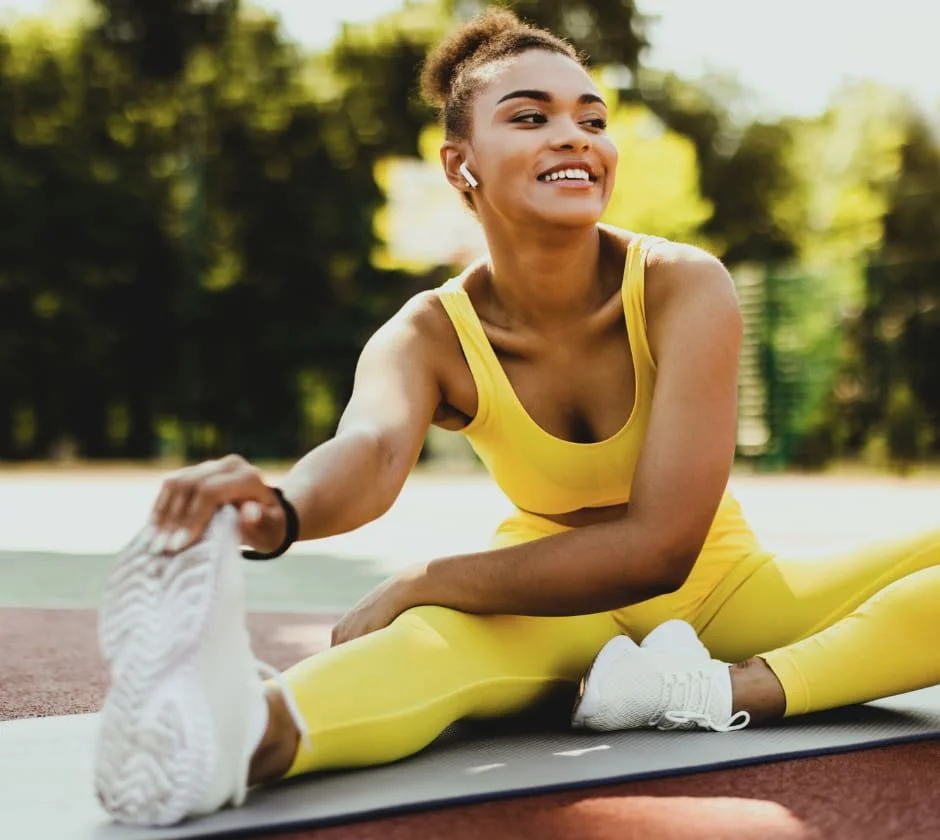
Top 24 Strategies for Achieving a Sustainable Lifestyle Change
1. Commit and Be Consistent: The Foundation of Sustainable Lifestyle Change
Clinton L. Lee Jr. emphasizes, "Commitment and consistency are key. You have to want to do it and be consistent in your efforts to see lasting change."
Sustainable lifestyle change begins with unwavering commitment. This means deciding with intention that your health and wellness are priorities. Without consistent action—day in, day out—even the best intentions fall short.
Consistency builds habits, and habits shape our identity. Whether it’s eating nutritious meals or exercising regularly, doing these things persistently, not just sporadically, makes all the difference in achieving lasting results.
As you work toward lasting change, it's important to remember that financial well-being is a key pillar of holistic health. If you're interested in practical steps to strengthen your financial habits as part of your wellness journey, explore these financial coaching strategies for sustainable living from CL3 Fitness and Wellness.
2. Incorporate Intensity in Your Physical Activities
When engaging in exercise or physical activity, quality matters. Intensely focusing on your workouts—being fully present and pushing towards your goals—amplifies benefits and builds physical resilience. This doesn’t always mean high-impact or exhaustive routines but includes purposeful movement that challenges your body within safe limits.
Adding intensity also applies to other health behaviors; for example, drinking enough water with mindful attention or really engaging in mental health activities makes change more profound.
3. Prioritize Rest and Sleep for Optimal Wellness

Rest is often overlooked but is fundamental to sustainable change. Sleep restores the mind and body, consolidates memory, and regulates emotions. According to Clinton L. Lee Jr., “Everyone needs to figure out their optimal rest. For me, 8 to 9 hours works best but it varies per person.”
Quality sleep supports physical recovery and mental clarity, enabling you to tackle daily wellness goals with vigor. Prioritize sleep hygiene by creating a dark, quiet, and comfortable environment and setting regular sleep schedules to enhance this vital pillar of health.
4. Focus on Nutrition: Fuel Your Body Wisely
Nourishing your body with wholesome, minimally processed foods is essential for sustained energy and overall health. Avoiding excess sugars and processed foods while opting for nutrient-dense options strengthens your immune system and balances metabolism.
As Clinton advises, nutrition is about feeding for energy and well-being, not simply eating anything at will. Small incremental adjustments, like incorporating more fruits such as strawberries daily, build positive, sustainable eating habits.
5. Address Mental and Emotional Health Holistically

Your mental and emotional state profoundly influences your capacity to maintain healthy behaviors. Strategies like mindfulness, social support, vacations, or trying new activities nurture these areas.
One of the keys to wellness is recognizing the interconnectedness of mind and body. Holistic attention helps reduce stress, increase motivation, and create resilience against setbacks.
6. Set Short-Term, Mid-Term, and Long-Term Goals
Breaking your journey into phases helps maintain focus and momentum. Short-term goals might include daily healthy habits; mid-term goals could be achieving fitness benchmarks over months; and long-term goals focus on sustained personal growth and balance over the year or lifetime.
By planning in stages, you acknowledge progress continuously, reduce overwhelm, and can recalibrate strategies as life changes.
7. Use Accountability Partners to Overcome Mindset Barriers
Self-motivation fluctuates naturally. Partnering with someone who holds you accountable can profoundly impact your ability to persist. Clinton L. Lee Jr. shares, “I often become the accountability partner myself for my clients, because a reminder or check-in can be the difference between excuses and action.”
Whether a friend, coach, or group, accountability helps break through common mental blocks like “I don’t have time” and fosters consistency.
8. Embrace Vulnerability to Foster Personal Growth
Clinton L. Lee Jr. shares, "Acknowledging your vulnerabilities is where the most profound change happens."
It may feel uncomfortable, but facing your fears and weaknesses is essential for transformation. When you accept vulnerability, you open yourself to healing, learning, and growth.
This courageous self-awareness can unlock motivation and create deeper commitment to lasting change beyond surface-level resolutions.
9. Lead by Example: Practice What You Preach

To inspire others and sustain your own change, embody the principles you advocate. Clinton leads from the front, stating, “I cannot ask others to do what I have not done myself.” This authenticity builds trust and reinforces your personal commitment.
Walking the walk means integrating healthy routines consistently into your own life to validate the journey you promote to others.
10. Balance Spiritual, Emotional, and Physical Wellness
True wellness transcends the physical realm, incorporating spiritual and emotional dimensions. Finding and honoring your spiritual beliefs, practices, or values can provide a grounding center to maintain overall balance.
Clinton espouses daily prayer and mental focus as key components of his routine, underscoring the indispensable role spirituality plays in enduring lifestyle transformation.
11. Simplify Your Environment to Support Sustainable Living
A cluttered or complicated environment can sap motivation and energy. Streamlining your spaces, routines, and choices simplifies decision-making and reduces stress.
Create spaces that promote relaxation, healthy eating, and physical activity to nurture consistent wellness habits effortlessly.
12. Reduce Your Carbon Footprint Through Lifestyle Choices
Embracing sustainable living practices that reduce environmental impact complements personal wellness goals. Actions like using public transportation, minimizing plastic waste, and conserving water help protect the planet while modeling responsibility.
This interconnectedness echoes the philosophy behind total wellness—caring for yourself and the world around you.
13. Use Technology and AI Tools to Track Progress and Stay Organized
Modern tools simplify tracking wellness metrics, appointments, and progress notes. Clinton Lee notes the usefulness of AI in his coaching to manage client plans efficiently.
Using apps and wearable devices for activity, sleep, and nutrition can provide helpful data and motivation to sustain lifestyle change.
14. Engage in Community and Group Activities for Support
Joining groups, clubs, or communities focused on wellness creates social support and accountability. Shared experiences foster encouragement, learning, and belonging, which boost motivation and reduce feelings of isolation.
Whether group exercise, wellness workshops, or online forums, community involvement enriches sustainable lifestyle change.
15. Educate Yourself Continuously on Wellness Trends and Research
The wellness field evolves constantly. Staying informed about nutrition science, exercise techniques, and mental health practices helps refine and optimize your lifestyle strategies.
Engage in lifelong learning through books, podcasts, expert consultations, and courses to empower your decisions with credible knowledge.
16. Practice the Golden Rule in Your Wellness Journey
Clinton L. Lee Jr. advises, "Try to treat others the way you want to be treated. This mindset fosters a better world and personal wellness."
Integrating empathy and respect in all your interactions not only improves relationships but enhances your emotional and spiritual well-being.
The Golden Rule reminds us that kindness and understanding elevate collective wellness and create a more supportive environment for personal growth.

Tables: Comparing Short-Term vs. Long-Term Lifestyle Change Goals
Goal Type |
Characteristics |
Benefits |
Challenges |
|---|---|---|---|
Short-Term Goals |
Focused on immediate tasks (e.g., lose 5 pounds, reduce sugar) |
Quick wins build motivation; easy to track |
Risk of burnout; can overlook bigger picture |
Mid-Term Goals |
Extended goals over months (e.g., establish workout routine) |
Creates sustainable habits; bridges short and long term |
Requires patience; may need adjustments |
Long-Term Goals |
Lifelong change (e.g., total wellness lifestyle) |
Promotes health across life stages; deep satisfaction |
Needs sustained commitment; requires flexibility |
People Also Ask: FAQs on Sustainable Lifestyle Change
What is a sustainable lifestyle?
A sustainable lifestyle involves habits and choices that promote long-term health, environmental responsibility, and emotional well-being.What are some examples of sustainable lifestyle practices?
Examples include consistent exercise, plant-based eating, reducing waste, prioritizing sleep, and fostering social connections.What are the 5 P's of sustainability?
People, Planet, Prosperity, Peace, and Partnership—core pillars guiding sustainable development.What are the 7 R's of sustainability?
Refuse, Reduce, Reuse, Repurpose, Recycle, Rot (compost), and Recover—actions to minimize environmental impact.
Key Takeaways: Essential Insights for Sustainable Lifestyle Change
Sustainable lifestyle change requires commitment, consistency, and a holistic approach.
Balancing physical, mental, emotional, and financial health is critical for total wellness.
Accountability and vulnerability are powerful tools for overcoming barriers.
Continuous education and community support enhance long-term success.
Practicing empathy and the golden rule enriches both personal and collective well-being.
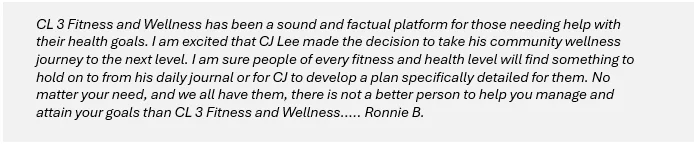
Conclusion: Embrace Sustainable Lifestyle Change for Lasting Health and Wellness
Start today by committing to consistent, holistic changes grounded in self-awareness and community. Remember, true wellness encompasses mind, body, and spirit — and it's a journey worth embracing fully.
Call to Action: Ready to take the next step? Call (913) 703-6767 to connect with Dr. CJ at CL3 Fitness and Wellness for personalized coaching that supports sustainable lifestyle change. We design programs that fit your lifestyle, helping you stay motivated, strong, and in control of your well-being. Contact us for a Free 15-minute consultation for Solutions That Work for You.
If you're inspired to deepen your understanding of holistic wellness, consider exploring how financial coaching can complement your health journey. By integrating financial stability with your physical and emotional goals, you set the stage for truly sustainable change. Discover how expert guidance in financial wellness can empower your lifestyle transformation and help you achieve balance across every area of your life. For more insight, visit the financial coaching resources at CL3 Fitness and Wellness and take your next step toward total well-being.
Sources: CL3 Fitness and Wellness, https://example.com/sustainability-health-research
To deepen your understanding of sustainable lifestyle changes, consider exploring the following resources:
“Sustainable lifestyles”: This resource from the United Nations Environment Programme (UNEP) delves into how our daily choices impact the environment and offers strategies for adopting more sustainable habits. (unep.org)
“10 Strategies for a Sustainable Lifestyle”: This article from Green City Times provides practical steps to integrate sustainability into your daily routine, emphasizing mindful consumption and community engagement. (greencitytimes.com)
By engaging with these materials, you’ll gain valuable insights and actionable strategies to support your journey toward a more sustainable and fulfilling lifestyle.




Write A Comment