
Understanding the Right Size for Your Level: A Key to Home Improvement Success
Levels are essential tools in any homeowner's toolkit, but selecting the right size level can be surprisingly daunting. As a homeowner in the MidSouth, both your health and the wellness of your home depend on the accuracy of the tools you use, especially in projects that could affect your living environment. How do you determine what size level best suits your project? This guide simplifies the selection process.
The Importance of Choosing the Right Size Level
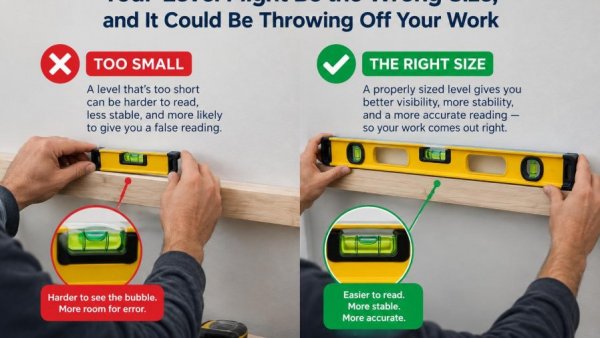
Levels come in varying lengths—from small torpedo levels of 6 to 12 inches to massive levels exceeding 72 inches. Each size serves a different purpose, and choosing the correct length is vital for accurate leveling. Using a level that is too short can lead to missed uneven spots, resulting in complications that could be both time-consuming and costly to resolve.
For example, a 24-inch level can effectively check the alignment of a four-foot shelf. While it doesn’t cover the entire surface, its functionality hinges on examining multiple points along the shelf's length. In contrast, larger levels, while often more accurate for extensive tasks, can pose difficulties in tighter spaces and become cumbersome to manipulate. Hence, knowing when a level is too long can be beneficial in your home projects.
Which Sizes Impact Your Home Improvement Projects?
Understanding various level sizes aids in selecting the right tool for your tasks. Here’s a quick overview:
- 6 to 12 inches: Ideal for confined spaces such as inside cabinets or around pipes where precision is key.
- 24 inches: Great for common household jobs like hanging shelves or cabinets; a versatile choice for most DIY projects.
- 48 inches: Best suited for longer boards, countertops, and framing projects; gives a wider area for checking alignment.
- 72 inches and longer: Necessary for large frameworks like door frames or walls. While accurate, be cautious of how easily they can be maneuvered in smaller rooms.
As a rule of thumb, using a 4-foot carpenter’s level is advisable for framing projects. A longer level provides more support against warp or sway, ensuring a straighter finish. The Home Depot emphasizes this: 'Warps or waves in the boards can throw off a shorter carpenter’s level.'
Common Misconceptions About Level Overhang
Many homeowners worry about whether their level can hang over the edge of the material they are checking. The truth is, some overhang is perfectly acceptable as long as the level remains stable. A level doesn’t have to rest entirely above a surface to give an accurate reading. It’s crucial to ensure that the level supports itself adequately, and if it begins to rock or tip, opting for a shorter level may be the better choice.
This flexibility can be particularly valuable in home improvement tasks where uneven surfaces are common, allowing for a more intuitive understanding of what is level.
The Role of Laser Levels in Modern Home Projects
With the advancement of technology, laser levels have become increasingly popular among homeowners and DIY enthusiasts. They offer a high level of precision and ease for aligning objects across wider areas, such as walls or floors. When using a laser level, you can visualize the alignment in real-time, eliminating much of the guesswork involved with traditional levels.
Laser levels can be particularly beneficial when working across larger spaces or when more than one person is involved in the job. They create a fast and efficient tool for ensuring straight lines throughout your home renovation projects.
Practical Tips for Using Your Level Effectively
Now that you know what size level to use, here are some practical tips for maximizing the effectiveness of your leveling:
- Keep the surfaces clear of debris like sawdust or dirt. A clean surface ensures more accurate level readings.
- Ensure that the tool rests firmly on the material; it should not wobble or rock.
- Regularly check the accuracy of your level, particularly if it feels different during use.
By following these simple tips, you can enhance the simplicity of your home improvement tasks and feel confident in your DIY capabilities.
In Closing: Empowering Your Home Improvement Journey
Selecting the correct size level not only ensures the precision of your work but also safeguards your home and health. Accurate leveling can prevent structural issues and create beautiful, usable spaces in your home. As you prepare for your next project, remember the importance of using the right tools and techniques. Embrace your role as a homeowner by experimenting with various levels, and you’ll find the art of home improvement to be rewarding and fulfilling!
If you’re ready to take on your next home project with confidence, explore new DIY techniques and gather inspiration from local workshops or online tutorials. Your home deserves the best, and so do you!





Write A Comment