
Understanding Why Estimates Can Seem High
Homeownership comes with its share of responsibilities, and when it comes to repairs, understanding the reasons behind a contractor's estimate can help you make informed decisions. In the MidSouth, where many homeowners take pride in their spaces and prioritize their health, it is essential to grasp the intricacies of contractor quotes. Often, the most significant factor involves labor costs that may not be immediately apparent.
Labor Costs: The Hidden Expense
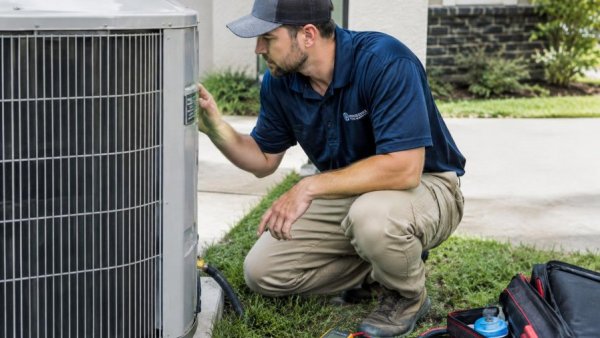
As HVAC technician Tamer Sayed points out, clients often focus only on the replacement part of a repair, neglecting to consider the associated labor and consultation fees. It's crucial to realize that small components can incur hefty labor charges, especially when installations or repairs are complex. For instance, if an HVAC system needs a new part, the labor involved in correctly diagnosing the issue, replacing it, and ensuring everything works properly can account for a large portion of the bill. Understanding this can alleviate the shock that many feel upon receiving an estimate that seems unusually high.
Moreover, the labor aspect includes not just hands-on work but also the contractor's time spent on identifying the problem, consulting with you, and planning the repair. In many cases, the expertise that comes with years of training and experience cannot be understated; it can save homeowners from making costly mistakes.
Market Fluctuations: Pricing Influence
The economy influences repair costs significantly. During peak seasons or in response to sudden demand shocks, contractors may raise their prices. For homeowners in regions like the MidSouth, where HVAC units and plumbing systems operate under frequent strain due to the climate, being aware of market trends is crucial. Following local home improvement podcasts or forums can provide insights into prevailing costs, helping homeowners set realistic expectations.
Additionally, keeping an eye on local supply chain issues can also be beneficial. If there are shortages in materials due to various market forces, such as natural disasters or disruptions in distribution, prices can skyrocket. Homeowners should factor in these fluctuations when budgeting for repairs and maintenance.
The Value of Expertise
Contractors invest in skills and knowledge to maintain high standards of service. The experience and qualifications they bring to a job often justify higher estimates. Clients may not immediately perceive the value of a licensed electrician versus an amateur, but licensed professionals protect homeowners from costly mistakes and ensure projects meet safety codes. When you invest in a reputable contractor, you're not only paying for the physical work but also the expertise that guarantees quality and durability.
Hiring a licensed and insured contractor may seem like a higher initial investment, but consider it a safeguard for your home. It protects you from the headaches associated with faulty work. For example, an unlicensed plumber may save you a few bucks on the initial job but could end up causing significant water damage, leading to far greater expenses down the line.
Quality of Materials Matters
The type and quality of materials used dramatically affect estimates. Home improvement projects may involve different grades of materials, from standard to premium options. Contractors generally quote based on the highest quality products to ensure long-lasting results, particularly in areas prone to wear and tear. For MidSouth homeowners, opting for high-quality materials might save money in the long run by reducing the frequency of repairs.
It's also worth noting that using substandard materials can affect your home’s energy efficiency. For example, low-cost insulation may lead to higher heating and cooling costs over time. Therefore, while the upfront costs of quality materials may seem steep, they can be an investment in your home’s future.
Permitting and Regulations
Certain home repairs require permits, and contractors often include permitting fees in their estimates. Homeowners may overlook this but obtaining necessary permits can be a time-consuming process that includes navigating local regulations. Moreover, non-compliance with building codes can lead to fines that ultimately cost more than any initial estimates.
Understanding the importance of permits not only fosters compliance but can also enhance the value of your home. Approved renovations that meet local codes can be more appealing to buyers, thus serving your long-term investment goals.
Scope of Work: Let's Get Specific
When receiving an estimate, clarity on the scope of work is vital. Contractors often provide detailed quotes, breaking down labor, materials, and potential complications that could arise. Understanding what’s included in the estimate can help homeowners appreciate the labor involved and foresee any additional tasks that may come up during the project. This level of communication is essential in managing expectations and understanding the reasons behind seemingly high quotes.
For example, an estimate for a roofing project may seem expensive at first glance, but when you see the breakdown that includes preparation work, cleanup, and disposal fees, the value becomes clearer. Be proactive in asking questions to get a complete picture.
Personalization and Custom Solutions
Every home is unique, and sometimes contractors need to tailor their services to meet specific homeowner needs, which can increase overall costs. Custom solutions might involve more labor and specialized materials, further emphasizing why an estimate may appear inflated. For residents in the MidSouth who prioritize personal wellness and comfort, it’s important to recognize the significance of personalized solutions tailored for your home.
Custom designs may involve intricate repairs that not only meet your aesthetic standards but also fit your lifestyle. Whether it's a more energy-efficient system designed to lower utility bills or unique design elements aimed at enhancing your home’s overall vibe, customization can significantly enhance your living space.
Conclusion: Investing in Your Home
Understanding the reasons behind a contractor's high estimate can empower you as a homeowner. Whether it’s labor costs, market pricing, material quality, or the level of expertise provided, these factors all contribute to the overall cost of home repairs. Joint discussions with contractors about each element, seeking multiple quotes, and doing homework can ensure you invest wisely in your home's upkeep. Embracing a proactive approach to home maintenance can result in spaces that not only reflect your style but also foster well-being and health for you and your family.
As you navigate the complex world of home repairs, remember that informed decisions can lead to lasting improvements. Small investments today in your space can pay off significantly in the future, ensuring that your home remains a safe haven for years to come.




Write A Comment