Add Row
Add Element
Add Element
Setup Your Button

🎙️MidSouth Life Podcast
Hosted by Jay Young

👉 Listen Now

{"name":"Listen Now","action_type":"1","optin_action_type":"5","form_redirect_type":"1","form_redirect_funnel_url":"68488ab288fa2","form_redirect_custom_url":"","order_form_settings":{"containers":[{"id":"personal-info-wrapper","visible":true,"label":{"id":"of-personal-title","visible":true},"fields":[{"id":"of-full-name","setting":false,"placeholder":"Full Name"},{"id":"of-field-email","setting":false,"placeholder":"Email Address"},{"id":"of-phone-number","setting":true,"visible":false,"require":true,"placeholder":"Enter Your Mobile Phone","additional":{"sms_permission":0}},{"id":"of-gdpr-optin-approval","label":"I Accept To Receive Additional Info","placeholder":"","icon":"fa-mobile","required":0,"visible":0,"system":1,"additional":{"gdpr_optin_approval":"1"}}]},{"id":"shipping-information-wrapper","visible":false,"label":{"id":"of-shipping-title","visible":true},"fields":[{"id":"of-shipping-address","setting":false,"placeholder":"Address"},{"id":"of-shipping-city","setting":false,"placeholder":"City"},{"id":"of-shipping-state","setting":false,"placeholder":"State"},{"id":"of-shipping-zipcode","setting":false,"placeholder":"Postal Code"}]},{"id":"profit-bump-wrapper","visible":true,"otoBgColor":"rgba(219,229,239,1)","otoBorderColor":"rgba(38,71,102,1)","otoTitleBgColor":"rgba(45,78,108,1)","otoArrowsColor":"rgba(255,177,58,1)","fields":[]},{"id":"order-summary-wrapper","visible":true,"orderDynamicBgColor":"rgba(242,242,242,1)","orderDynamicTexColor":"rgba(51,51,51,1)","fields":[]}]},"optin_type":{"showLabels":0,"fields":[{"name":"first_name","label":"Full Name","placeholder":"Enter Your Full Name","icon":"fa-user","required":1,"visible":1,"system":1,"additional":{}},{"name":"last_name","label":"Full Name","placeholder":"Enter Your Full Name","icon":"fa-user","required":1,"visible":1,"system":1,"additional":{}},{"name":"email","label":"Email","placeholder":"Enter Your Email","icon":"fa-envelope","required":1,"visible":1,"system":1,"additional":{}},{"name":"mobile_phone","label":"Mobile Phone","placeholder":"Enter Your Mobile Phone","icon":"fa-mobile","required":0,"visible":0,"system":1,"additional":{"sms_permission":0}},{"name":"fields_labels","label":"","placeholder":"","icon":"","required":0,"visible":1,"system":1,"additional":{}},{"name":"captcha","label":"Captcha","placeholder":"","icon":"","required":1,"visible":1,"system":1,"additional":{}},{"name":"gdpr_optin_approval","label":"SSBBY2NlcHQgVG8gUmVjZWl2ZSBBZGRpdGlvbmFsIEluZm8=","placeholder":"","icon":"fa-mobile","required":0,"visible":1,"system":1,"additional":{"gdpr_optin_approval":"1","sms_permission":0}}],"customFields":[],"sortedFields":[{"name":"first_name","label":"Full Name","placeholder":"Enter Your Full Name","icon":"fa-user","required":1,"visible":1,"system":1,"additional":{}},{"name":"first_name","label":"Full Name","placeholder":"Enter Your Full Name","icon":"fa-user","required":1,"visible":1,"system":1,"additional":{}},{"name":"last_name","label":"Full Name","placeholder":"Enter Your Full Name","icon":"fa-user","required":1,"visible":1,"system":1,"additional":{}},{"name":"email","label":"Email","placeholder":"Enter Your Email","icon":"fa-envelope","required":1,"visible":1,"system":1,"additional":{}},{"name":"mobile_phone","label":"Mobile Phone","placeholder":"Enter Your Mobile Phone","icon":"fa-mobile","required":0,"visible":0,"system":1,"additional":{"sms_permission":0}},{"name":"captcha","label":"Captcha","placeholder":"","icon":"","required":1,"visible":1,"system":1,"additional":{}}],"design":{"form_background_color":"rgb(245, 245, 245)","field_stroke":{"size":"1","color":"rgb(220, 220, 220)"},"field_icons":1,"button_color":"rgb(255, 158, 0)","button_stroke":{"size":"0","color":"rgba(255, 255, 255, 0.2)"},"button_box_shadow_color":"none","field_size":"small","label_size":"16","label_color":"rgb(0, 0, 0)","input_color":"rgb(52, 152, 219)","control_text_color":"rgb(0, 0, 0)","control_text_size":"15"},"mappedFields":[]},"redirect_type":{"url":"https://midsouthlife.com/podcast","target":0},"next_step":{"value":"68488ab288fa2"},"click_to_email":{"value":""},"click_to_call":{"value":""},"jump_to_block":{},"content":{"header_text":"PHNwYW4gc3R5bGU9ImZvbnQtc2l6ZToyNHB4OyBmb250LWZhbWlseTonb3BlbiBzYW5zJzsiPjxzcGFuIHN0eWxlPSJsaW5lLWhlaWdodDoxLjRlbTsiPldlIEFyZSBFeGNpdGVkITwvc3Bhbj48L3NwYW4+","content_text":"PHNwYW4gc3R5bGU9ImZvbnQtc2l6ZTo0OHB4OyBmb250LWZhbWlseTonb3BlbiBzYW5zJzsiPjxzcGFuIHN0eWxlPSJsaW5lLWhlaWdodDowLjllbTsiPjxzdHJvbmc+UExFQVNFIEZJTEwgT1VUIFlPVVIgSU5GTyAgQkVMT1cgVE8gU1VCU0NSSUJFPC9zdHJvbmc+PC9zcGFuPjwvc3Bhbj4=","button_text":"PHNwYW4gc3R5bGU9ImZvbnQtc2l6ZToyN3B4OyBmb250LWZhbWlseTonb3BlbiBzYW5zJzsiPjxzcGFuIHN0eWxlPSJsaW5lLWhlaWdodDoxZW07Ij48c3Ryb25nPlNFQ1VSRSBNWSBTUE9UPC9zdHJvbmc+PC9zcGFuPjwvc3Bhbj4=","spam_text":"PHNwYW4gc3R5bGU9ImxpbmUtaGVpZ2h0OjEuMmVtOyI+V2UgaGF0ZSBTUEFNIGFuZCBwcm9taXNlIHRvIGtlZXAgeW91ciBlbWFpbCBhZGRyZXNzIHNhZmU8L3NwYW4+","sms_text":"UmVjZWl2ZSBTTVMgVGV4dCBVcGRhdGVzIC0gPHNwYW4+b3B0aW9uYWw8L3NwYW4+","sms_text2":"SSBBY2NlcHQgVG8gUmVjZWl2ZSBBZGRpdGlvbmFsIEluZm8="},"email_confirmation":{"enable":1,"subject":"V2UgQXJlIEV4Y2l0ZWQhIFlvdXIgSW4h","message":""},"integrations":[],"automation_enable":0,"thank_you":{"type":"popup","redirect_url":"","popup_options":{"background_color":"#ffffff","headline_visible":1,"icon_visible":1,"icon_url":"//my.funnelpages.com/assets-pb/images/thankyou-popup-icon.png","subheadline_visible":1,"button_visible":1,"button_color":"#ffa800","headline_text":"PHNwYW4gc3R5bGU9ImxpbmUtaGVpZ2h0OjEuNGVtOyI+VGhhbmsgWW91IEZvciBDb250YWN0aW5nIFVzPC9zcGFuPg==","subeadline_text":"PHNwYW4gc3R5bGU9ImxpbmUtaGVpZ2h0OjEuNGVtOyI+UGxlYXNlIENoZWNrIFlvdXIgRW1haWw8YnIgLz5XZSBXaWxsIEJlIEZvbGxvd2luZyBVcCBTaG9ydGx5PC9zcGFuPg==","button_text":"Q2xvc2U="}}}
Add Element

Add Element
UPDATE
Add Element
  • Home
  • Categories
    • Outdoor Living
    • MidSouth Life Podcast
  • Local Business Legends Spotlight
  • Chiropractic & Physical Wellness
  • Dental & Preventative Care
  • Events & Happenings
  • Business Directory
  • Local Expert Interview
July 31.2025
3 Minutes Read

Understanding Wild Horse Management: A Homeowner's Guide to Balance and Wellbeing

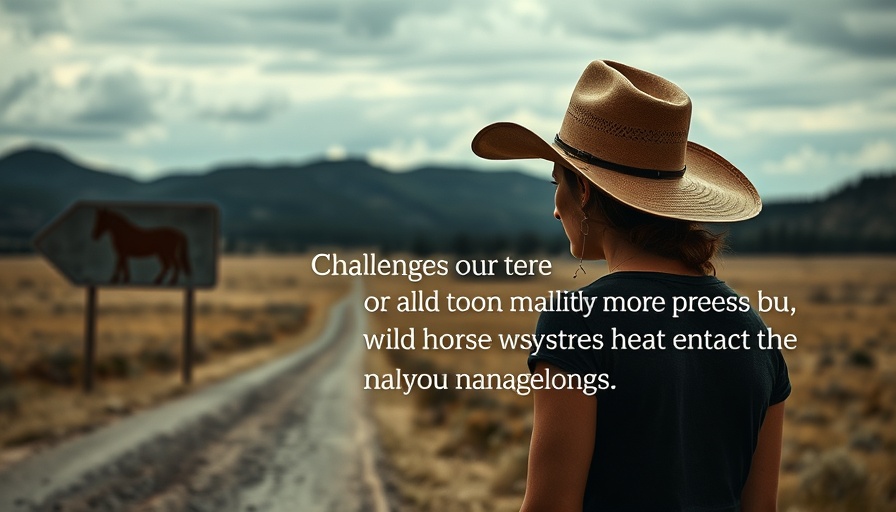
Wild Horse Management Arizona collage with signs and somber woman.

Understanding Arizona's Wild Horse Management Issue

Wild horses embody the untamed spirit of the American West, but with their increasing populations, they are becoming a challenge for both land and local communities. In Arizona, the state is grappling with how to manage these majestic creatures. Some locals celebrate their presence, while others see them as a threat to the ecological balance. This tension has spurred debates on the best way to handle wild horse populations, with rancher and horse management advocate, Laura, stepping forward as a controversial figure in the conversation.

Who is Tackling the Challenge?

Laura, a dedicated cowgirl and advocate for responsible horse management, is implementing solutions aimed at reducing the wild horse population through humane methods. With years of experience in the field, she employs a combination of natural herd management, public education, and collaboration with local government. Despite her noble intentions, Laura faces severe backlash from animal rights activists who believe that her methods are harmful. The discord highlights a broader conflict between different factions in the community, where the preservation of wild horses is pitted against the need for ecological sustainability.

Why Understanding This Issue Matters

For homeowners in the MidSouth, particularly those seeking harmony with the environment, understanding issues like wild horse management is crucial. Healthy land supports healthy living; overpopulation of any species can lead to the degradation of ecosystems that homeowners rely on. By learning about local conservation efforts and engaging with wildlife management discussions, residents can advocate for balanced solutions that honor both land and life.

How Wild Horses Impact Local Ecosystems

The presence of wild horses significantly affects the landscape. They graze on native plants, which can lead to vegetation depletion and soil erosion if their numbers aren't kept in check. For MidSouth homeowners, this means that wild horse management is not just a remote issue but one that can influence local ecosystems, water systems, and ultimately, the environment around their homes. Advocating for humane yet practical management strategies can preserve the beauty and health of local landscapes.

Exploring Diverse Perspectives: Advocates and Activists

The conversation around wild horse management is multifaceted. On one side, we have advocates like Laura pushing for a balance that will allow natural populations to thrive without overwhelming resources. On the other side, activists argue passionately for the horses' rights and welfare, seeing every alternative management method as a potential harm to equine life. Understanding these perspectives helps MidSouth homeowners see the complexity of the issue and the need for nuanced solutions that respect both wildlife and land integrity.

Emotional Connection: Stories from the Ground

Laura's journey reflects a deeper connection many have with the land and its wildlife. “Every day, I meet families who have lost their gardens to overgrazing or whose water sources have diminished because of unchecked horse populations,” she says passionately. This highlights the impact of these debates on people's lives and underscores the need for action that resonates not just on a policy level, but on a personal one.

Taking Action: What Homeowners Can Do

Understanding local wildlife issues is just the first step. Homeowners can engage with community programs focused on sustainable land management. They can participate in discussions about conservation efforts, support local farms that practice humane wild horse management, or even volunteer with related organizations. Every small action can contribute to a larger goal of maintaining balance between human activities and the wild populations that share our space.

Conclusion: Why This Matters to You

As you consider the balance between wildlife and your living environment, remember that every decision you make can have a lasting impact. Whether it involves advocating for humane animal management practices or supporting sustainable land use policies, your voice matters. Engaging with local conservation efforts allows you to be part of a solution that respects both the wild and the healthy living environments we aim to create.

Outdoor Living

1 Views

0 Comments

Write A Comment

*
*
Related Posts All Posts
03.01.2026

Discover the Culinary Joy of Hunting and Cooking Nutria in Louisiana

Update Understanding Louisiana’s Nutrient-Rich Invasive Species In the heart of Louisiana, a unique battle rages against an unexpected enemy: the nutria. Often referred to as swamp rats, these furry invaders are more than just a nuisance in the marshlands. They wreak havoc on the delicate ecosystem by consuming reed roots, which contributes to coastal erosion. As someone who has recently ventured into learnings about these critters, I discovered that hunting and cooking nutria offers not only a culinary adventure but also an opportunity to contribute to environmental conservation. The Culinary Potential of Nutria: Taste and Nutrition Interestingly, nutria are not only a medium for control of invasive species; they're also a source of nutrition. Many local chefs have begun adapting nutria into their kitchen repertoires. Their lean meat is often compared to rabbit or even chicken, making it versatile for various recipes. As seen in traditional recipes, nutria meat can be prepared in numerous ways—from hearty stews and chili to smoked sausages and gumbo. One particularly delightful recipe concocted by Chef Philippe Parola utilizes the meat in a rich ragout with caramelized cabbage, showcasing the flavorful potential of this once-derided meat. These dishes not only elevate local cuisine but also help reshape perceptions around this misunderstood creature. Gift of Tradition: Modern Trappers Reflect on Heritage The history of trapping nutria holds a wealth of tradition. Trappers in Louisiana often come from generations of families dedicated to managing this resource effectively. Their stories reflect a profound connection to the land and the environment. For instance, Chris Areas, a third-generation trapper, emphasizes the importance of learning how to live off the land, a skill rooted in family heritage. He vividly describes the essential life lessons imparted by his grandfather, who taught him not just the trade of trapping but a way to respect and maintain the delicate balance of nature. From Crisis to Control: The Nutria Control Program As the nutria population burgeoned, so too did the urgency to implement organized control methods. Louisiana's Nutria Control Program was born from the need to address coastal erosion while simultaneously supporting trappers’ livelihoods. This initiative allows locals to contribute to the reduction of nutria populations while providing an economic incentive. During the program, trappers can submit nutria tails for a monetary reward, creating an interesting intersection between environmental stewardship and income. Reports indicate that some trappers can earn thousands during the trapping season, showcasing the potential benefits of engaging actively in conservation efforts. Rethinking Our Relationship with Nature Eating nutria raises important conversations about our broader relationship with nature. Engaging in hunting and cooking this meat encourages a deeper understanding of local ecosystems and the human role within them. As homeowners in the MidSouth, embracing the idea of hunting nutria can be an empowering step towards sustainability in our homes and communities. Generating awareness about such invasive species is vital—not just for the local environment but also for the well-being of our communities. Those interested in incorporating nutria into their meals will find it is not just a summer trend but a way to experience the culture and culinary diversity of Louisiana. Conclusion: Join the Movement for Sustainable Living For those living in the MidSouth, I encourage you to explore the culinary offerings of nutria and to consider your role in maintaining our natural habitat. Not only does hunting nutria provide a link to our heritage, but it also allows us to engage in a contemporary solution to environmental challenges. So why not take that first step? Explore local recipes, immerse yourself in the tradition of hunting, or consider participating in conservation efforts. It's a tasty and proactive way to make a difference!

02.27.2026

How to Prepare for Floods: Protect Your Family and Home

Update Surviving Floods: A Tale of Resilience and PreparationFlooding can be an unrelenting force, striking unexpectedly and testing the limits of human endurance. Recent accounts from survivors highlight the pressing need for readiness, ranging from advice on securing homes in flood-prone areas to the essential strategies for dealing with rising waters. This comes into sharp focus as homeowners consider how to protect their families and properties from emerging weather threats.Real Tales of SurvivalThe stories of survival in the aftermath of the recent floods offer both inspiration and urgency. One couple describes how they were abruptly awakened to their cabin filling with water, mirroring the harrowing experiences of flood survivors across the MidSouth. As the waters surged, quick decisions became lifesaving actions; those who hesitated often found themselves trapped. In contrast, proactive measures, such as moving to higher ground immediately, often made the difference between life and death.The Mental and Emotional TollFloods not only have physical repercussions but also profound emotional impacts. Survivors frequently recount feelings of fear and the weight of loss, especially when familiar spaces become inundated, and cherished belongings are swept away. Community support becomes crucial in these moments, as many affected seek comfort and compassion from neighbors who share similar devastating experiences. Experts in mental health suggest that talking about these emotions and recognizing the trauma can help rebuild a sense of normalcy amidst chaos.Preparation is Key: Essential Tips for HomeownersThe key takeaway from these flood experiences is preparedness. Here are some practical tips for homeowners: 1. Elevate your home: Houses built on stilts or elevated foundations are significantly less likely to suffer severe damage. 2. Create an emergency plan: Develop a family evacuation strategy, ensuring each member knows their designated roles and safe exit routes. 3. Stock an emergency kit: Include essentials such as bottled water, non-perishable food, first aid supplies, and important documents. 4. Stay informed: Regularly monitor weather forecasts and local alerts to anticipate and respond to severe weather conditions.A Bright Future: Lessons from the PastReflecting on the tragedies faced during flooding can also inspire hope. Many survivors are now actively participating in rebuilding efforts, offering support to those who have lost almost everything. Local organizations are mobilizing communities to foster resilience, showing that even in the direst situations, hope can flourish as neighbors come together.Final Thoughts: Why Resilience MattersAs we look ahead to potential weather challenges, the experiences of those who have faced floods urge us to take proactive steps. Understanding the risks, preparation, and community, and fostering resilience is vital. As climate change continues to affect regional weather patterns, being educated and resilient isn't merely advisable—it's essential for homeowners determined to safeguard their health and well-being.For more tips on home safety and community resilience, feel free to join local workshops or search for resources through community leaders.

02.26.2026

Get Your Pool Ready: Spring Break Maintenance Tips for Homeowners

Update Get Your Pool Ready for Spring Break FunSpring break is on the horizon, and for many homeowners in the MidSouth, that means getting pools ready for the kids. Yet, after months of little activity, a simple look at your pool may not suffice; it needs some genuine tender loving care to ensure it’s safe and inviting for spring and summer festivities. Here’s how you can prepare your pool for those carefree cannonballs and relaxing afternoons.The First Steps: Cleaning Up DebrisWinter has a way of cluttering our beloved backyard escapes with leaves, twigs, and pollen. The first order of business is a thorough cleanup. Start skimming the surface to remove any floating debris and follow with a vacuum of the pool floor. Organic matter, especially leaves, funnily consumes chlorine, complicating your water balance, and can also hide lurking bacteria.Maintenance of Your Equipment: Essential InspectionNext, turn your attention to the pool equipment. If your pump has been on “freeze protect,” it’s time for a complete inspection. Check the flow by turning on the pumps—high pressure on your filter gauge (usually 8-10 psi above clean start pressure) indicates it’s time to clean or backwash your filter. Additionally, look for any puddles or dripping pipes quietly saying, "I may need your attention”. A timely inspection can prevent significant headaches when your summer plans are in full swing.Test and Treat: Balancing Your WaterClear water is often less indicative of cleanliness than you’d think. Start testing all the key chemical components: chlorine, pH, alkalinity, and calcium hardness. If your pool has been dormant over the winter, a shock treatment can eliminate any lingering bacteria or algae that may bloom in warmer waters. If you have a saltwater pool, ensure the salt cell is free of buildup as it won't produce chlorine until the water temperature warms up.Safety Matters: A Quick Dive into Pool SafetyBefore your pool transforms into a bustling hotspot, perform a quick safety audit. Check that gates and fences latch and close securely, and inspect drain covers to make sure they’re intact. Safety should never take a back seat, especially in a household brimming with excitement.A Proactive Approach for a Smooth Swim SeasonRemember, spring brings out many eager swimmers, making it the busiest time for pool service companies. If you find any issues, like a malfunctioning heater or a noise from the pump, it's wise to reach out for a professional check-up now. Taking time this weekend to follow through with these maintenance tasks will ensure your only job when school lets out is to grab a towel and have fun!Unique Benefits of Preparatory MaintenanceBy investing in a rigorous spring maintenance routine now, not only do you get to enjoy a pristine pool, but you also extend the lifespan of your equipment and reduce potential costs associated with emergency repairs down the line. Moreover, it contributes positively to the overall health and well-being of your family, ensuring clean water promotes safe swimming activities.Practical Tips for Minimalist Pool CareFor those who find the process daunting, consider hiring a local pool cleaning service that offers ongoing maintenance. They can handle the regular upkeep, allowing you to focus on enjoying your pool rather than worrying about its cleanliness or safety.Conclusion: Take Charge of Your Pool Today!As we usher in warmer weather, there's no better time to ensure your pool is ready for action. The approach of spring break shouldn't just be an exciting time; it should also be accompanied by a sense of security and readiness regarding your pool. Don't hesitate to take action now—your family deserves a worry-free and delightful swimming experience!

Terms of Service

Privacy Policy

Core Modal Title

Sorry, no results found

You Might Find These Articles Interesting

T
Please Check Your Email
We Will Be Following Up Shortly
*
*
*