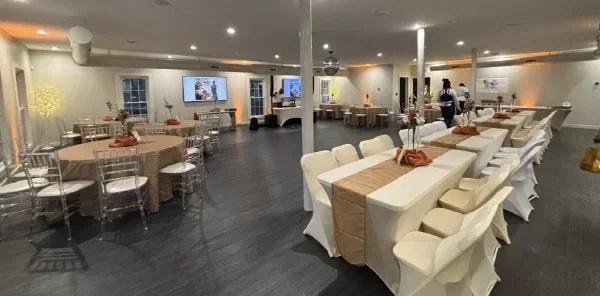
Are you overlooking key questions when booking your event venue? Choosing the right space goes beyond price tags and capacity numbers. Discover the vital event venue booking questions that ensure your celebration unfolds flawlessly. In this comprehensive guide, event expert Eden Neller of Pike & West reveals insider tips to help you navigate venue selection with confidence and clarity.Why Asking the Right Event Venue Booking Questions MattersSetting the Emotional and Visual Stage for Your EventWhen searching for the perfect venue, many focus solely on logistics like capacity or cost. However, Eden Neller, owner of Pike & West, stresses that “the venue is the literal and emotional stage for your day. ” The event venue sets the visual tone and mood, influencing how guests feel and engage throughout your gathering. This emotional backdrop affects every memory formed during your event, from elegant intimacy to festive exhilaration.Understanding the atmosphere you want to create is crucial before touring venues. Whether you envision a warm, inviting space or a sleek, professional setting, your venue must reflect that vision. Eden explains, “Your venue determines whether your gathering feels warm and welcoming or stiff and impersonal—and that starts the second your guests arrive,” emphasizing how aesthetics blend with hospitality to shape guest experience."When you begin your search for an event venue, the first thing to consider isn’t just capacity or cost—it’s recognizing that the venue is the literal and emotional stage for your day." — Eden Neller, Pike & WestHow Venue Atmosphere Influences Guest ExperienceThe atmosphere impacts more than just first impressions; it dictates guest interaction and overall energy. Spaces designed for networking should encourage fluid movement and mingling, while intimate weddings benefit from cozy corners and grand entrances. The feeling guests take away depends heavily on the venue’s layout and ambiance. Choosing a venue that naturally complements your event’s purpose can elevate the entire experience.Experts like Eden advise early vision-setting to filter venues by atmosphere. The right environment not only supports your event logistically but also cultivates an emotional connection. From lighting to decor to spatial flow, each detail layers to evoke excitement, comfort, or solemnity appropriate for your occasion.Key Event Venue Booking Questions About Capacity and LayoutBalancing Guest Count with Venue Space to Avoid Crowding or EmptinessIdentifying the perfect balance between your guest list and venue size is essential to setting the right tone. Eden Neller observes, “Choosing the right size for your guest list isn’t just about numbers—it’s the difference between intimacy and awkwardness. ” A venue too small can feel cramped, and too large can feel vacant, dampening the energy no matter the guest count.For example, seating 120 guests in a 150-capacity room can feel intimate, whereas the same number spread across a cavernous hall may seem sparse. Besides total capacity, consider how attendees will move between rooms and engage with one another. Modular layouts and flexible furnishings allow you to adjust space as needed, crucial for events demanding mingling or varying activity zones.Strategizing Seating and Flow for Comfort and InteractionSeating arrangements frame guest interaction and event flow. Eden recommends incorporating flexible layouts — e. g. , circular tables to promote conversation, open dance floors for lively activity, and cozy lounge corners to support quieter moments. These configurations invite all personality types to feel comfortable and engaged.Mapping the flow from entryways through dining areas to bars or stages helps identify bottlenecks before they happen. Eden suggests “walking through mock guest journeys” to visualize movement and adjust seating accordingly. Adaptable setups that shift between event stages (ceremony, cocktail hour, dinner) enhance guest ease and event dynamics.Essential Questions on Venue Amenities and FeaturesWhat Does the Venue Offer? Tables, Chairs, AV Equipment, and MoreUnderstanding what amenities your venue provides is critical. Ask if tables, chairs, and linens are included or if they come as add-ons. Audio-visual equipment such as microphones, speakers, and lighting systems can make or break presentations and musical performances. Eden advises thorough vetting, saying, “Never compromise on the tools that will bring your event to life. ”Check the quality and maintenance of these amenities before booking. Venues that provide full-service packages often reduce logistical headaches and hidden expenses. Confirm what is standard and what requires rentals to budget effectively and avoid last-minute surprises.Special Spaces: Bridal Suites, Prep Rooms, and Outdoor AreasSpecialized rooms can elevate particular event types like weddings or milestone celebrations. Bridal suites or prep rooms offer privacy and comfort amid the hustle, enabling stress-free moments for hosts and VIPs. Eden notes these spaces are often “unsung heroes of smooth event execution. ”Additionally, integrating flexible indoor and outdoor spaces enriches the event atmosphere. Outdoor terraces or courtyards provide a refreshing area for cocktail hours, children’s play zones, or quiet lounges. Ensure these spaces are accessible year-round and have necessary contingencies, like shade or heating, for a seamless guest experience.Understanding Budget: Hidden Costs and Fee StructuresBeyond the Rental Fee: Deposits, Cleanup, and Service ChargesMany event planners neglect to inquire about supplemental fees that inflate the final bill. Eden warns, “Look beyond the headline rental fee—factor in deposits, cleanup fees, and mandatory service charges.” These hidden costs can range from security deposits and taxes to gratuities and mandatory on-site management fees.Requesting an itemized quote detailing all charges is essential to avoid surprises. Transparent venues treat clients as partners, helping prevent stress and budget blowouts. Understanding the full pricing structure upfront allows for better negotiating power and planning accuracy.Vendor Restrictions and BYO Catering Policies to Clarify EarlyVendor policies often make or break event logistics. Some venues require exclusive caterers or service providers, which can limit options and increase costs. On the other hand, venues like Pike & West embrace outside vendors and BYO catering, offering greater flexibility and control.Confirm policies regarding outside alcohol, insurance for third-party vendors, and whether dedicated staff support is included. For nonprofit galas or events utilizing donated services, the ability to choose vendors can significantly impact success and budget management.Location and Accessibility: Questions to Enhance Guest ConvenienceEvaluating Parking, Public Transit, and Nearby AccommodationsGuest convenience starts with accessibility. Priority should be given to venues with ample parking and proximity to public transportation. Especially for evening or large events, onsite or adjacent parking reduces hassle and stress for attendees.Consider nearby hotels for out-of-town guests to ease travel logistics. Eden highlights, “Convenience is a subtle gift you give your guests,” improving attendance and overall experience. Mapping routes and anticipating traffic patterns around your event date can reveal potential issues early, ensuring smoother arrival and departure.Prioritizing ADA Accessibility and Ease of ArrivalAccessibility is a key factor that reflects thoughtful hospitality. Venues must comply with ADA standards by offering ramps, ground-level entrances, accessible restrooms, and elevators when applicable. Consider future guests’ diverse mobility needs even if current invitees do not require accommodations.Additionally, well-marked signage, adequate lighting, and safe paths contribute to easing arrival and navigation, especially in evening events or inclement weather. “Make sure everyone can get in, out, and around with ease,” advises Eden, underlining this as a hallmark of truly inclusive venue choice.Contract Review: Protect Yourself From SurprisesCancellation Policies, Insurance Requirements, and Overtime FeesComprehensive contract review is non-negotiable. Understand cancellation windows, refund entitlements, and definitions of force majeure to protect your investment. Many venues require proof of insurance, so plan and budget accordingly.Queries about overtime fees are critical since even minor extensions can add unexpected costs. Clarity and transparency in your contract reduce stress and disputes, ensuring all parties share expectations. Eden advises demanding written explanations for any ambiguous terms, emphasizing that “a transparent contract is the best event gift you can give yourself. ”Weather Contingency Plans for Outdoor Venue SpacesIf outdoor areas are part of your plan, insist on clear weather contingency policies. Back-up options such as covered spaces, heaters, or alternate indoor rooms should be explicitly stated in your contract.Proper “what if” planning prevents last-minute disasters and keeps guests comfortable regardless of weather. Responsible venues anticipate all scenarios, smoothing the event’s flow without fuss or delay.Expert Checklist: 10 Must-Ask Event Venue Booking QuestionsWhat is included in the rental fee?Are there any hidden or additional fees such as corkage fee or cleanup charges?What is the venue’s capacity and how flexible is the venue space layout?What amenities and event space features are provided onsite?What are the catering and vendor policies, including food and beverage restrictions?How accessible is the location for all guests, including ADA compliance?What does the contract specify about cancellations, insurance, and overtime fees?Are there vendor restrictions or options for BYO catering?Is there a venue coordinator available to assist during the event?What are the weather contingency plans for outdoor or cocktail hour spaces?Question CategoryKey ConsiderationsExpert Tip from Eden NellerRental Fees & Hidden CostsDeposits, cleanup fees, service charges"Always request a complete, itemized quote to avoid surprises."Capacity & LayoutGuest count, flow, modular furniture"Visualize your event in motion to ensure comfort and connection."Amenities & FeaturesTables, AV equipment, bridal suites"Never compromise on tools that bring your event to life."Vendor PoliciesExclusive partners, BYO options"Vendor restrictions can be a deal-breaker or relief depending on your vision."Accessibility & LocationParking, ADA compliance, transit"Convenience is a subtle gift you give your guests."Contracts & PoliciesCancellation, insurance, overtime"A transparent contract is the best event gift you can give yourself."People Also AskWhat are the top questions to ask when touring an event venue?When touring, focus on questions about what is included in the rental fee, any hidden charges, venue capacity, and flexibility of the space layout. Also ask about available amenities, vendor policies, and accessibility to ensure the venue aligns with your event’s needs and budget. Don’t forget to clarify contract terms like cancellation policies and insurance requirements to avoid surprises.How do I avoid hidden costs when booking an event venue?To avoid hidden fees, always request a detailed, itemized quote covering all costs including deposits, cleanup, service charges, and overtime fees. Clarify what essentials such as furniture, AV equipment, and setup are included or extra. Don’t hesitate to ask for explanations of any unclear charges before signing contracts.What should I look for in a wedding venue’s layout?A wedding venue’s layout should support the flow of your event, offering spaces for private moments alongside grand, welcoming areas. Flexible seating, smooth transitions between ceremony and reception, and designated rooms like bridal suites enhance comfort and functionality. The venue should foster both intimacy and celebration without guests feeling crowded or lost.What You'll LearnHow to identify critical event venue booking questions that impact your event’s successWhy venue atmosphere and layout are as important as capacity and costHow to uncover hidden fees and understand vendor policiesThe importance of location, accessibility, and contract detailsExpert tips from Eden Neller on avoiding common pitfalls and ensuring a smooth eventConclusion: Make Your Event Unforgettable by Asking the Right Questions"Choosing the right venue is about more than just the space; it’s about crafting an unforgettable experience with no surprises." — Eden Neller, Pike & WestInvest the time to ask crucial questions, tour in person, and advocate for your priorities. This proactive approach saves you time, money, and stress while ensuring your event is genuinely memorable from start to finish.Contact: Eden Neller, Pike & West, 2277 West Street, Germantown, TN 38138Ph: (901) 206-5575 Site: https://pikeandwest.comSourceshttps://pikeandwest.com




Write A Comment