Add Row
Add Element

Add Element
UPDATE
Add Element
  • Home
  • Categories
    • Health, Wellness & Family
    • Outdoor Living & Curb Appeal
    • Home Services
    • MidSouth Life Podcast
    • HVAC
    • Plumbing
    • Roofing
    • Dentist
    • CPA
    • Electrician
    • Insurance
    • Flooring
    • Injury Law
    • Elder Law
  • Local Authority Spotlight
  • Financial & Legal Services
  • Chiropractic & Physical Wellness
  • Events & Happenings
  • Business & Professional Services
June 10.2025
3 Minutes Read

Transform Your Kitchen Island: Essential Lighting Placement, Sizing & Design Tips

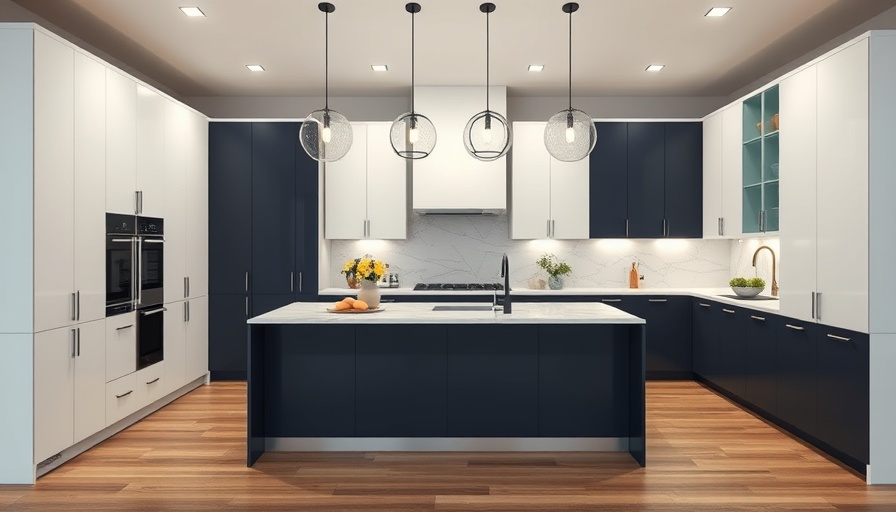
Modern kitchen with hanging kitchen island lighting and marble countertops.

Elevate Your Culinary Space: The Art of Choosing Kitchen Island Lighting

A well-lit kitchen is more than just functional; it creates an inviting atmosphere and enhances your overall cooking experience. When it comes to kitchen island lighting, the right pendants or fixtures play a significant role in blending practical tasks with aesthetic appeal. Understanding the nuances of placement, sizing, and design can transform your kitchen from ordinary to extraordinary.

The Importance of Proper Lighting Placement

Placement is key in lighting design. Poorly positioned lights can lead to harsh shadows or glaring reflections, while thoughtfully placed fixtures enrich both form and function. Here’s what to consider:

  • Height: For standard ceiling heights, aim to hang your pendant lights 30 to 36 inches above the countertop. For ceilings over 10 feet, consider raising that to around 40 inches for balance.
  • Quantity: The consensus among designers is that there isn’t a universal answer on the number of lights needed. Instead, assess your kitchen’s layout and the size of the island to determine what works best. A good starting guide is one pendant light for every two to three feet of island length, but personal preference and style should guide your choices.
  • Spacing: Proper spacing between fixtures is essential to ensure even lighting. A common tip is to place pendants about 24 to 30 inches apart.

Design Styles to Consider for Your Kitchen Island

As you plan your kitchen’s illumination, think about the style that complements your decor. From modern minimalism to rustic charm, the right lighting can enhance your home’s theme. Some popular styles to consider include:

  • Modern: Sleek lines and metallic finishes characterize modern lighting. Fixtures that use LED technology offer energy efficiency coupled with style.
  • Industrial: Featuring raw materials like metal and wood, industrial lights bring an edgy vibe to your kitchen and pair beautifully with reclaimed wood elements.
  • Traditional: For those who prefer a classic look, ornate fixtures with glass shades can add elegance and warmth to the space.

Creating Cozy Atmospheres: The Emotional Impact of Kitchen Lighting

Lighting affects mood—this fact is well documented in design circles. Choosing the right pendant lights can create a warm, welcoming environment that encourages family gatherings and celebrations. Transform your kitchen island into a focal point that draws loved ones together by selecting fixtures that emit soft, warm light, perfect for creating an inviting ambiance.

Incorporating Sustainable Practices in Your Lighting Choices

As homeowners in the MidSouth increasingly focus on health and wellness, sustainable living becomes more vital. Consider the environmental impact of your lighting choices:

  • Energy-efficient LED bulbs: Though slightly pricier upfront, they last longer and consume less energy than traditional bulbs.
  • Recycled materials: Look for light fixtures made with recycled metals or sustainably sourced woods.
Opting for sustainable designs not only supports the environment but fosters a sense of well-being in your living space.

Frequently Asked Questions About Kitchen Island Lighting

As you explore your options, you might have questions. Here are a few FAQs to consider:

  • What type of lighting works best for a kitchen island? Pendants and chandeliers are popular choices, but recessed lighting can also be effective when arranged correctly.
  • How can I create layers of lighting in my kitchen? Combine task lighting over the island with ambient lighting for overall room illumination and accent lighting to highlight decor.
Understanding these factors offers clarity in your design journey.

Final Thoughts: Bring Your Vision to Life

Decorating your kitchen with the right lighting is key to realizing your vision. Embrace creativity and explore the myriad options available to ensure your kitchen island not only serves its functional purpose but also becomes a cherished space within your home. Whether you're preparing a family dinner or hosting friends, your well-lit kitchen will enhance every experience.

Now it’s your turn to take action! Step into your kitchen with renewed purpose and explore lighting options that bring both beauty and functionality together. Discover the joy of creating a space that reflects your personal style and enhances your well-being.

Home Services

63 Views

0 Comments

Write A Comment

*
*
Please complete the captcha to submit your comment.
Related Posts All Posts
04.13.2026

Discover the Turtlebox Ranger: The Ultimate Outdoor Speaker for Adventure Seekers

Update Unleashing Sound Anywhere: The Turtlebox Ranger ExperienceAs we dive into the world of outdoor enjoyment, few things can elevate your adventures like quality sound—and the Turtlebox Ranger has emerged as a prominent player in this space. This rugged speaker has garnered attention, especially among outdoor aficionados in the MidSouth, who prioritize both sound quality and durability in their gear.What Sets Turtlebox Ranger Apart?Weighing in at under 2.5 pounds and standing less than 10 inches tall, the Turtlebox Ranger is compact yet robust, making it a perfect companion for any adventure. With features like IP67 waterproofing, this means the speaker can withstand submersion in water up to 3 feet for 30 minutes—ideal for beach days or unexpected rain showers. Turtlebox has engineered the Ranger to be drop- and dirt-proof, ensuring it withstands various outdoor challenges while producing up to 105 decibels of crisp sound.Exceptional Durability and VersatilityWhen it comes to outdoor activities, durability is paramount. As illustrated in reviews from sources like GearJunkie, the Ranger clearly stands out. Despite hefty usage, whether at a campsite or during a hike, its resilience is reassuring. The Ranger doesn’t just provide powerful sound; it performs excellently even after rolling through sand or enduring accidental drops—a must for the adventure-loving family.How It Compares with CompetitorsThe Ranger positions itself favorably against other portable speakers, such as JBL and Bose options that traditionally dominate the market. With its personalization options and the ability to link with other Turtlebox products for a surround sound experience, the Ranger presents an appealing solution for tech-savvy outdoor enthusiasts. Unlike its larger counterparts, it offers high audio quality without the cumbersome weight, making it manageable for families interested in sound without compromising on durability.Real-World Testing: Perfect for the FamilyIn real-world applications, the Turtlebox Ranger shines bright. Families in the MidSouth who love to explore the great outdoors will find moments when a speaker can enrich experiences—think fishing trips or picnics in the park. The worry of water damage or drops should not overshadow the joy of playing your favorite tunes in nature's embrace. The Ranger brings those moments to life with powerful performance.Party Mode: Make Every Gathering SpecialTurtlebox’s Party Mode feature allows units to connect for an immersive sound experience. This means gatherings, tailgates, or backyard get-togethers can easily become mini concerts, making it easier than ever to celebrate with friends and family. Imagine creating a soundscape for a cozy evening under the stars or fire pit—we can picture it now! This versatility makes it not just a gadget, but a staple of social magic for those who cherish quality connections.Final Thoughts: Is It Worth the Investment?As the Turtlebox Ranger retails at around $250, it may be considered a splurge. However, considering the sound quality and durability you receive, many will find it a worthwhile investment. For homeowners and outdoor enthusiasts in the MidSouth, this speaker is not just a product; it’s an experience enhancer. Furthermore, with customizable designs and robust features, it suits a variety of personal styles and needs.Call to Action: Elevate Your Outdoor ExperienceIf you’re ready to elevate your outdoor experience, consider investing in the Turtlebox Ranger. Enjoy the magic of music while you explore the beauty of nature with the peace of mind that your speaker is built to last. For those who care deeply about fostering connections, this speaker could be your next best companion.

04.10.2026

Elevate Your Space: 5 Affordable Ways to Add Textured Walls

Update Transform Your Space: Inexpensive Textured Walls That Dazzle In the quest to create a home that embodies style and personality, homeowners often overlook one of the simplest yet most impactful elements: wall texture. Walls serve as the canvas for your creativity, so why settle for bland finishes? Textured walls not only add depth and warmth to spaces but also provide an opportunity to express individuality without breaking the bank. Defining Textured Walls: What Makes Them Special? Textured walls, as explained by industry experts, introduce visual intrigue and dimension that flat surfaces simply can’t match. Whether it's the warm embrace of earth tones or the elegance of layered finishes, incorporating texture taps into the current trend of making our homes feel like cozy sanctuaries. Well-known interior designer Erin Greene emphasizes this by stating, "Texture can totally bring a space to life." This is especially true for materials that offer an organic feel, like limewash and plaster, which have surged in popularity for their affordability and versatility. Why Traditional Textures Can Be Costly While we all adore the charm of textured walls, they can come with a hefty price tag. High-end finishes typically involve intricate craftsmanship and time-consuming applications. Lauren Vallario, another design guru, points out the expertise required, particularly with textures like plaster and custom paneling. "The skilled labor and materials can drive up costs quickly," she says. To steer clear of sticker shock and still achieve that designer look, it’s important to explore more budget-friendly solutions without compromising on style. Five Inexpensive Techniques to Get Pro-Level Texture Here are five creative and affordable ideas to transform your walls into eye-catching features: Orange Peel Finish: This widely appreciated texture is simple to apply with a spray gun. It creates a subtle design that is ideal for whole rooms or ceilings, proving that style doesn’t have to be expensive. Knockdown Texture: A more dynamic choice, this finish features a splattered look that's flattened slightly, offering rustic charm and character without breaking the bank. Slap Brush Texture: Known for its artistic flair, a slap brush pattern integrates brush strokes into the wall, bringing unique beauty to ceilings or accent walls with minimal cost. Skip Trowel Finish: For those seeking a refined texture, this artisan finish offers understated elegance while requiring little material, making it budget-friendly. Faux Finishes: Consider using faux wall panels that imitate stone or wood textures. These not only save you on materials but are also perfect for DIY enthusiasts. They offer the same aesthetic appeal as their natural counterparts without the extensive labor costs associated with installation. Your Health Matters: Eco-Friendly Choices In addition to aesthetics, it’s crucial to consider the health implications of the materials you choose. Many sustainable options, like eco-friendly paints and natural textured finishes, can enhance both the look of your home and your well-being. Homeowners in the MidSouth can benefit from selecting materials that are low in VOCs (volatile organic compounds). This attention to health and wellness in home décor aligns perfectly with the growing trend toward more mindful living. Future Trends: Sustainability and Textured Walls Looking ahead, expect to see more designs that incorporate sustainable practices. As consumers become more conscious of their choices, the demand for textures that not only beautify but also promote well-being will grow. Designers and contractors alike are adapting to these trends by prioritizing materials that reflect a commitment to the environment and personal health. Decisions You Can Make Today With countless options at your disposal, now is the perfect time for homeowners in the MidSouth to embrace textured walls as a viable home improvement project. Whether you opt for a budget-friendly DIY approach or consult with a professional for more intricate designs, adding texture to your walls can noticeably elevate the overall vibe of your living spaces. Textured walls are an integral part of any home that aims to foster comfort and creativity. As you explore your options, remember that every small decision can make a significant impact on your wellbeing and the livability of your space. The journey to a beautifully textured home starts today!

04.09.2026

Why Do Some Coins Have Ridges? Discover Their Importance and History

Update Understanding Why Some Coins Have Ridges Have you ever examined a coin closely and noticed those tiny grooves along the edge? Known as reeding, these ridges are more than decorative—they are steeped in history and functionality. The evolution of coin design, particularly the inclusion of ridges, reflects a fascinating journey through time, indicating shifts in security measures and accessibility. A Historical Look at Coin Ridges Ridges on coins date back centuries, primarily developed to combat a crime known as coin clipping. In the age of precious metal currency, such as gold and silver, thieves would shave tiny amounts off the edges of coins, then spend the remaining lighter versions at full value. This practice not only undermined the currency's integrity but also posed challenges to economic stability. Interestingly, visitors may not realize just how significant these ridges were in maintaining public confidence. The introduction of reeded edges allowed for quick detection of tampering. The meticulous nature of this design became essential, particularly when notable figures like Isaac Newton took charge of overseeing these security measures at the Royal Mint in the late 1600s. The Modern Importance of Ridges Today, ridges are still crucial for several reasons. First, they help distinguish between denominations. For someone who is visually impaired, grabbing the right coin can be a challenge; textured edges allow them to identify coins by touch. Moreover, ridges contribute to the usability of coins in vending machines and coin sorters—where a simple tactile design can streamline processes. Despite the transition from precious metals to less valuable materials in coin minting, ridges have retained their importance. The U.S. Mint continues this tradition on higher denominations, such as dimes and quarters, providing a continuity that connects the past with the present. The Crafting Process of Reeded Coins The method by which these grooves are introduced is equally fascinating. Coins first emerge in the mint as flat discs, heated and shaped before entering the striking stage. Ridges are produced using a mill that firmly presses the blank coin, creating a consistent edge pattern. The dimes and quarters have 118 and 119 reeds, respectively, demonstrating the precision and care taken during the minting process. Exploring Coins Without Ridges Contrasting with reeded coins, denominations like the penny and nickel often lack ridges. Historically, these coins contained materials less likely to invite clipping due to their lower value. Thus, their smoothly finished edges have become a norm, highlighting differing production capabilities and intended use cases. This distinction fosters a deeper understanding of coins and can even spark interest in coin collecting. Understanding why certain coins are designed without ridges can open discussions about practicality in minting processes and their historical implications. Accessibility and Practicality in Coin Design The changes in coins over time reflect growing concerns for accessibility and functionality. Ridges aid in preserving the authenticity of currency and making daily transactions easier for everyone. It's not just about money—it's about shaping everyday life and ensuring everyone, regardless of ability, can engage with currency comfortably. For enthusiasts and collectors alike, the historical narrative attached to these seemingly simple grooves acts as a reminder of the innovation embedded in everyday experiences. It prompts a curiosity about how design evolves to meet both functional and aesthetic needs. Final Thoughts: The Legacy of Coin Ridges Next time you reach for a coin, take a moment to appreciate those ridges that connect us through time. They are a testament to centuries of craft, a solution born out of necessity, and an important aspect of our economic history. Whether you’re sorting coins at home or using them in daily transactions, those subtle grooves embody a story of resilience, innovation, and human ingenuity. If you’re inspired by the history and purpose behind coins, consider diving deeper into numismatics. There’s a whole world of stories waiting to be discovered beyond just the pocket change!

Terms of Service

Privacy Policy

Core Modal Title

Sorry, no results found

You Might Find These Articles Interesting

T
Please Check Your Email
We Will Be Following Up Shortly
*
*
*