 Add Row
  Add
Add 

Helping Communities Recover: The Extension of Moose Seasons
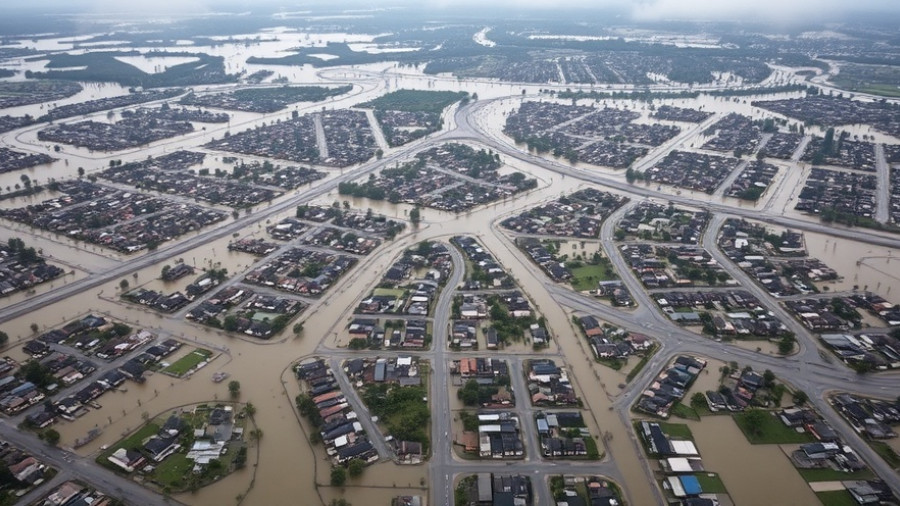
In response to the devastation wrought by Typhoon Halong, Alaskan officials are making significant moves to aid local communities through the extension of moose hunting seasons. As these small, often isolated villages cope with the aftereffects of the storm—displaced residents and ruined subsistence food stores—the extensions not only offer them the chance to replenish their food supplies but also to restore their traditional lifestyles that hinge on subsistence hunting.
From November 5 to January 15, the Alaska Department of Fish and Game (ADFG) has approved additional permits for moose hunters, aimed primarily at those who have not been able to harvest moose since July of this year. This initiative is crucial not just for the individual hunters in areas like the Yukon-Kuskokwim Delta, but for the collective recovery of their communities, many of which have seen vast losses in terms of both population and food resources.
A Lifeline for Communities: Understanding the Severity of the Situation
Typhoon Halong left a mark on Alaska that is felt deeply within communities that rely on moose and salmon as their main food sources. With critical stores lost or damaged, food security has become a pressing issue. "The typhoon destroyed homes, displaced over 1,000 residents, and ruined critical subsistence food stores in Yukon-Kuskokwim Delta villages, threatening winter food security," officials from ADFG report. This situation underscores how much these small, tightly knit villages depend on hunting to survive.
Why Moose Hunting Matters: Cultural and Nutritional Significance
For many native Alaskans, moose hunting is not just a tradition; it is a lifeline. Moose meat plays a vital role in the diet and culture of these communities. It represents safety, income, and a connection to the hunting heritage passed down through generations. The ADFG’s decision to prioritize subsistence users affected by the typhoon reinforces the commitment to preserve these essential aspects of life in the region.
Enhancing Food Security Through Sustainable Practices
The extension of moose hunting is also a testament to sustainability. By allowing for an increased harvest during this challenging time, ADFG has indicated that moose populations are healthy and can sustain additional pressures without severe impacts. This careful balance of wildlife management supports not just immediate food needs but also the long-term health of ecosystems and communities.
A Broader Perspective: Community Resilience in Times of Crisis
The effects of Typhoon Halong transcend the immediate physical impacts; they also touch on issues of mental health and community cohesion. As homes were swept away and subsistence options diminished, the psychological toll on the affected residents has been significant. Research shows that trauma in communities often leads to increased stress and mental health issues. The hunting extensions not only provide food security but also a means for residents to engage with each other and maintain community bonds, thereby supporting their emotional well-being.
Future Predictions: Navigating Recovery and Hope
Looking ahead, it is clear that the recovery journey for the Yukon-Kuskokwim Delta communities will take time. However, initiatives like the moose hunting extensions offer a glimmer of hope amidst the uncertainty. As these communities adapt to their new normal, the balance of sustainable hunting and community support will play a pivotal role in their healing processes.
For those of us living far away in the MidSouth, forming connections with Alaska’s diverse cultures brings valuable perspectives. As we aim for healthier lifestyles, incorporating a deep respect for local traditions and biodiversity can enhance our own community’s efforts toward sustainable living.
Getting Involved: Understanding and Supporting Resilience
As the folks in the Midsouth community explore their health and wellness options, consider the importance of local connections and the ripple effect of supporting sustainable practices. Understanding the need for community resilience, whether it’s through supporting food security initiatives in our own backyards or through outreach programs in regions like Alaska, can foster broader societal benefits. Taking action can mean participating in local discussions about food systems or advocating for mental health resources in your own community.
As changes unfold in successive hunting seasons, residents and supporters alike are reminded of the importance of adaptability and compassion. For now, let’s keep the spirit of community alive and advocate for one another's well-being.


Write A Comment