UPDATE
  • Home
  • Categories
    • Health, Wellness & Family
    • Outdoor Living & Curb Appeal
    • Home Services
    • MidSouth Life Podcast
    • HVAC
    • Plumbing
    • Roofing
    • Dentist
    • CPA
    • Electrician
    • Insurance
    • Flooring
    • Injury Law
    • Elder Law
  • Local Authority Spotlight
  • Financial & Legal Services
  • Chiropractic & Physical Wellness
  • Events & Happenings
  • Business & Professional Services
June 29.2025
3 Minutes Read

Mike Lee’s Public Land Sale Plan Scrapped: Why It Matters for MidSouth Homeowners

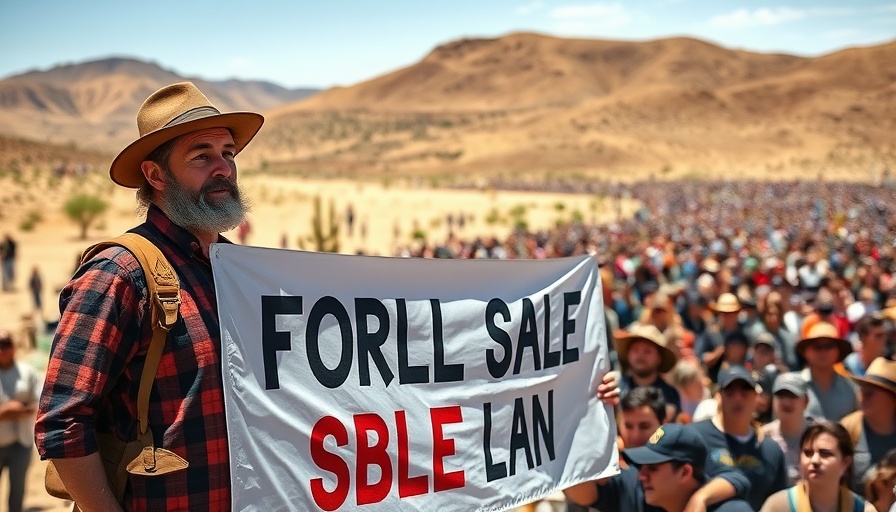
Protest against public land sale plan with desert backdrop.

Mike Lee's Public Land Sale Plan: A Close Call for Conservation

In a significant turn of events, Senator Mike Lee's controversial proposal to sell off public lands has come to an abrupt halt. This decision, which was met with widespread opposition from environmental groups and concerned citizens, has reaffirmed the values of conservation advocates and those who believe in preserving vital ecosystems for future generations. The public's interest in keeping these lands intact reflects a growing awareness of the importance of nature in our daily lives, especially for homeowners invested in maintaining their surroundings and health.

The Value of Public Lands in the MidSouth

Public lands are more than just territories; they are integral parts of cultural heritage and community well-being. Many MidSouth homeowners cherish local parks, forests, and outdoor spaces for recreation and relaxation. These areas promote not only physical health through exercise but also mental wellness through the calming effect of nature. Losing access to public lands would mean losing the tranquil spaces that many rely on for mental clarity and outdoor activities.

Why This Decision Matters Now

The recent developments in Lee's proposal reflect a broader trend towards recognizing and defending public lands at a time when the environment is increasingly threatened by climate change and urbanization. Homeowners today must consider how land use affects their health and wellness. Preserving public lands is more than just a conservative value; it's a commitment to sustainable living. These spaces play a critical role in air quality, biodiversity, and community recreation—essential ingredients for thriving residential neighborhoods.

For Future Generations: The Bigger Picture

Rejection of the land sale plan sends a strong message about the responsibility of current generations to protect our natural heritage. For families in the MidSouth, preserving these lands ensures that future generations can experience the joys of outdoor activities, from hiking to fishing. This connection to nature is crucial for instilling a sense of stewardship in our children, fostering habits that support a healthier lifestyle.

Counterarguments: A Necessary Debate

While many applaud the decision to halt the sale, some argue that selling off public lands could be a viable way to boost local economies. This presents an essential counterpoint worth exploring. Proponents of land sales may suggest that monetizing these spaces could lead to funding for community projects or infrastructure. However, the consensus among health experts is that the long-term benefits of preserving open spaces far outweigh short-term financial gains. Engaging in this debate helps MidSouth homeowners realize the value of protecting their local environment as a way to enhance overall community wellness.

Taking Action: What Can You Do?

As homeowners concerned about the environment and personal health, it’s vital to stay informed and involved. Supporting local conservation efforts, participating in community discussions, and advocating for further protections for public lands can help maintain these important resources. By engaging in local meetings or joining environmental organizations, individuals can play a proactive role in the future of their communities.

Your Connection to Nature: A Call to Action

This is a pivotal moment for homeowners in the MidSouth. The fight to keep public lands accessible and protected is one that underscores our commitment to a sustainable lifestyle. As we step into a future where urban development looms large, let's remember the importance of nature in promoting our wellness and community health. Consider joining local conservation movements or simply taking a moment to appreciate and utilize your local parks and open spaces—our well-being truly depends on it!

Outdoor Living & Curb Appeal

3 Views

0 Comments

Write A Comment

*
*
Please complete the captcha to submit your comment.
Related Posts All Posts
05.16.2026

Protecting Ozark Streams: Why Homeowners Should Care for Our Health

Update Rekindling Memories: A Journey Along the Ozark Streams As a kid growing up in the MidSouth, nothing beat those summer evenings spent fishing with my grandpa by the roaring streams of the Ozarks. The chatter of cicadas filled the air as we cast our lines, hoping for that one elusive big bass. This was not just fishing; it was a rite of passage steeped in family tradition and the rich tapestry of nature woven through years of shared experiences. However, amidst this nostalgic reverie, a stark reality looms—these cherished streams are fading. The Bleak Reality of Environmental Changes The Big Piney River, a once pristine waterway, has faced innumerable threats over the decades. Pollution, erosion, and potential damming projects have polluted these waters, once teeming with life, now reduced to silent echoes of their former selves. Grandpa often reminisced about fishing in a clearer, healthier river, where giggling splashes of big smallmouth bass and wildlife were part of daily life. Today, these recollections amplify the urgency for us to recognize and act upon the loss of natural beauty that impacts not only our memories but also our well-being. Why These Streams Matter to Our Health The connection between nature and our health is undeniable. There have been numerous studies suggesting that access to natural environments enhances mental well-being, lowers stress, and encourages physical activity. When we fish in cleaner waters, we are not just engaging in a sport; we are participating in a natural remedy that enriches our health. Thus, it's vital for communities in the MidSouth to advocate for the preservation of these waterways, not only for future generations but for our health today. Bridging the Gap: The Importance of Conservation The recent discussions around the damming of navigable Ozark streams, like the Strawberry River, raise critical conservation concerns. These locations, with their natural beauty and functionality, serve as a refuge for wildlife and a source of recreation for us. According to environmental studies, maintaining these habitats supports local ecosystems and biodiversity, which are crucial for sustaining healthy waterways and, by extension, our own health. Just as our grandparents taught us to respect the river, we must pass on this imperative of conservation to our children. What We Can Do: Actions for Change For homeowners and residents alike in the MidSouth, preserving the health of local waterways can begin at home. Simple actions like reducing plastic use, fostering sustainable gardening practices, and participating in local cleanup events can make significant impacts. Additionally, engaging with local advocacy groups focused on environmental conservation can amplify your voice in the community and push for policies that protect these vital water sources. Conclusion: A Call to Action As we reflect on our memories of fishing in the Ozark streams, it becomes apparent that the future of these waterways relies on our collective effort to protect and restore them. By becoming stewards of the land, we ensure that future generations can experience the joy of fishing as I did with my grandpa. Join the fight for these natural treasures—our health and happiness depend on it.

05.14.2026

The Corner Crossing Lawsuit: Your Rights and Public Access in Montana

Update The Battle Over Corner Crossing: What’s At Stake for Montanans The ongoing legal dispute surrounding corner crossing in Montana has raised significant questions about the rights of landowners, the accessibility of public lands, and the legacy of outdoor heritage in the state. Backcountry Hunters and Anglers (BHA), alongside the Public Land Water Access Association, recently filed a lawsuit against the Montana Fish, Wildlife and Parks (FWP), seeking to clarify the legality of corner crossing—a practice that allows hunters and anglers to cross public land to reach other public land at the corners of private property without physically stepping onto that private land. Understanding Corner Crossing and Its Legality At its essence, corner crossing should be a non-invasive way to navigate between public areas. This practice is especially vital in a state like Montana, where roughly 871,000 acres of federal land are corner-locked—meaning they are surrounded by private property on all sides. The crux of the lawsuit stems from conflicting legal interpretations within the state regarding this practice. Montana's Lieutenant Governor, Kristen Juras, has publicly stated that corner crossing is illegal, causing concern among various outdoor and conservation groups. The Conflict Between Landowners and Public Access Advocates The tensions highlighted in this case are emblematic of a broader conflict in rural America. Landowners rightfully wish to protect their property rights, but public access advocates argue that well-established access to public lands needs to be preserved for recreational purposes. Ryan Callaghan, the BHA's president, emphasizes that the real issue isn’t corner crossing but rather the education surrounding trespassing and responsible land use. “The solution to trespassing problems... is better education,” he argues, stressing the need for harmony between landowners and public land users. Why This Matters for Public Health and Community Well-Being This lawsuit is about more than just property rights; it touches on the mental and physical health of the community. Access to nature and outdoor activities is crucial for well-being. Many families thrive on outdoor experiences that foster mental clarity and physical fitness. For homeowners, particularly in the MidSouth who value health and wellness, the outcome of this litigation could either hinder or enhance opportunities for outdoor recreation and community engagement. Future Evolution: The Role of Legislation in Clarifying Access As the debate continues, upcoming legislative sessions in Montana will likely include discussions surrounding a clearer set of rules for corner crossing. The allure of Montana’s vast landscapes will always draw outdoor enthusiasts, but as residents, it’s essential to strike a balance that protects private property while ensuring access to public lands. Advocates argue that clear guidelines and education could allow for a cooperative solution. The Road Ahead: Building a Community Ethos of Respect The future of corner crossing hinges on fostering a culture that respects both public access and private land ownership. BHA has taken proactive steps by developing a mapping tool to identify problem corners, aiming to bridge the gap between land uses. With such tools, they’re not just advocating for the right to cross but promoting a respectful coexistence of diverse interests, enhancing the outdoor experience for everyone. Conclusion: The Invitation to Engage in Local Conservation As homeowners and outdoor enthusiasts, it’s crucial to stay informed about developments surrounding this lawsuit. Consider advocating for responsible outdoor practices and engaging in local conservation discussions. Organizations like BHA are leading the charge, and your support can make a difference in preserving the balance between private rights and public freedoms.

05.13.2026

Maximize Your Bluegill Catch This Summer: Healthy Fishing Tips!

Update Unleash Your Summer Fishing Potential with Bluegills As summer descends upon the MidSouth, many homeowners start thinking about fun outdoor activities. If you’re looking to blend relaxation with an adventurous spirit, why not consider bluegill fishing? This engaging pastime not only helps you bond with nature but also brings health benefits and delicious meals to your table. Let's explore why bluegills take center stage in summer fishing and how you can optimize your catch this season. Understanding Bluegill Behavior in Summer Bluegills are often found in shallow waters during summer, favoring spots near structures like docks and submerged plants. Their structure preference makes them relatively easy to catch, particularly for beginners and families. As the water warms, they seek out shade to cool off, which presents perfect opportunities for anglers. Observing their habits can lead to successful fishing days. The Best Baits for Catching Bluegills this Summer One of the joys of bluegill fishing is the simplicity of the gear required. A basic setup can include a light fishing rod paired with red worms or crickets as bait. These natural offerings are irresistible; bluegills are particularly attracted to the scent. For those looking to up their game, consider small jigs or lures that mimic their natural prey. Consistency and experimentation with your bait can drastically enhance your fishing experience. Effective Techniques to Maximize Your Bluegill Catch When targeting bluegills, your fishing technique can be as important as your bait. A bobber rig is incredibly effective; by casting into areas near shade or vegetation, you can create an enticing environment for bluegills to bite. Alternatively, using a drop shot rig allows for precise placement at varying depths, especially in warmer weather when bluegills might remain deeper in the water. Secrets to Finding Bluegill Hotspots Every angler knows that location is key! Local lakes and ponds are often teeming with bluegills. The best spots are typically near structures where bluegills gather to feed. Understanding where bluegills spawn—usually in shallow, protected areas—can give you an edge in locating them. Early mornings and late afternoons are prime times to cast your line, as bluegills are most active then. Always keep an eye on nearby flocks of birds, as they can indicate underwater activity. Health Benefits of Bluegill Fishing Fishing isn’t just a pastime; it’s a gateway to improved physical and mental wellness. Engaging in outdoor activities like bluegill fishing allows for fresh air and physical exercise, which are vital for mental health. The rhythm of casting and reeling has meditative qualities that can elevate your mood. Plus, the catch can lead to healthy meals. Bluegills are low in fat and high in protein, making them an excellent choice for a nourishing diet. Incorporating Bluegill Fishing into Family Activities This summer, consider making bluegill fishing a family tradition. Not only can it serve as an educational opportunity for children — teaching them about nature, patience, and responsibility — but it can also be a wonderful bonding experience. Sharing fishing stories and meals cooked with your fresh catch can forge memories that will last a lifetime. Plus, it’s a great way to engage in healthier lifestyle choices as a family. Final Thoughts on Bluegill Fishing As you prepare for your summer fishing adventures, remember that bluegills offer both fun and plenty of benefits. Whether you're a seasoned angler or new to fishing, the tips and insights shared here can help improve your success on the water. So gather your gear, grab some bait, and head out to enjoy the great outdoors with your friends and family! Ready to cast your line? Embrace the joys of bluegill fishing this summer and enjoy the health benefits that come with it! Your next family tradition is just a fishing pole away.

Terms of Service

Privacy Policy

Core Modal Title

Sorry, no results found

You Might Find These Articles Interesting

T
Please Check Your Email
We Will Be Following Up Shortly
*
*
*