UPDATE
  • Home
  • Categories
    • Health, Wellness & Family
    • Outdoor Living & Curb Appeal
    • Home Services
    • MidSouth Life Podcast
    • HVAC
    • Plumbing
    • Roofing
    • Dentist
    • CPA
    • Electrician
    • Insurance
    • Flooring
    • Injury Law
    • Elder Law
  • Local Authority Spotlight
  • Financial & Legal Services
  • Chiropractic & Physical Wellness
  • Events & Happenings
  • Business & Professional Services
August 20.2025
3 Minutes Read

Mastering Right of Way Laws: Essential Tips for Safe Driving

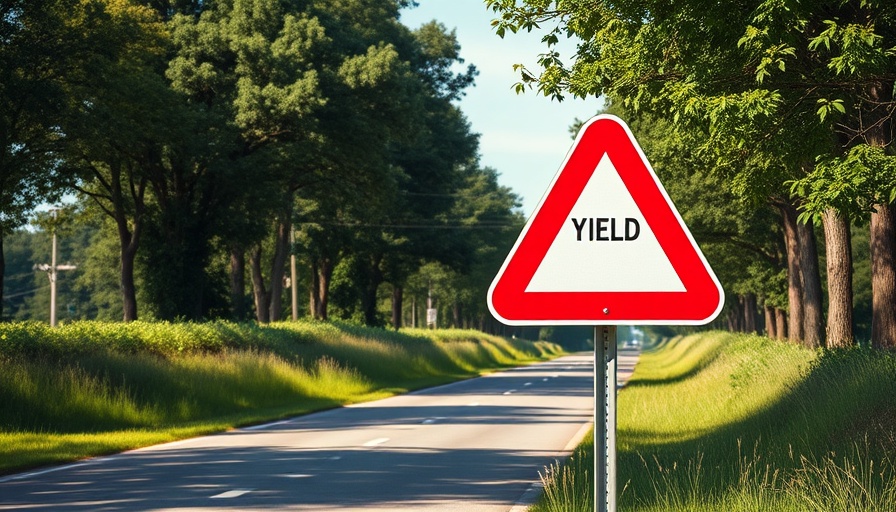
Yield sign against lush greenery illustrating right of way laws.

The Importance of Understanding Right of Way Laws in Everyday Driving

Driving should be a safe and predictable experience. Yet, with so many motorists on the road, understanding the complex rules of right of way becomes essential for preventing accidents and ensuring everyone’s safety. It’s not just about who goes first; it's about mutual respect and caution.

What Does Right of Way Really Mean?

Right of way refers to the legal principle that establishes who has priority in any given traffic situation. Steven Norman, a certified driving instructor, emphasizes that while drivers often assume that having the right of way is an absolute privilege, it’s vital to approach driving with caution. “Even if you technically have the right of way, be ready to yield if it prevents a crash,” he advises. This mindset not only promotes safety but encourages defensive driving.

Common Misconceptions About Pedestrian Right of Way

Many people believe pedestrians always have the right of way, but this is not universally true. According to Norman, vehicles must yield to pedestrians at marked and unmarked crosswalks when the signal is green; however, pedestrians themselves must obey traffic signals. “Jaywalking or stepping out between parked cars can be dangerous and illegal,” he cautions. This is an imperative reminder for both drivers and pedestrians: safety is a shared responsibility.

Right of Way at Intersections: Who Goes First?

Understanding who has the right of way at intersections is crucial. At uncontrolled intersections, the general rule is that the vehicle arriving first gets priority. However, if two vehicles arrive simultaneously, the car to the left must yield to the one on the right. At controlled intersections, drivers facing a stop sign must yield to cross-traffic. Norman asserts that caution should always come first, “Even at a green light, yield to those already in the intersection.” This habit of prioritizing caution can be the difference between a smooth drive and a serious accident.

Reasons to Brush Up on Your Right of Way Rules

In addition to ensuring your safety and that of others, misunderstanding right of way rules can be financially detrimental. Accidents that stem from right of way violations can lead to costly repair bills, increased insurance premiums, and potential legal issues. Familiarizing yourself with these laws can save you from not just personal injury but also expensive legal repercussions.

Get Involved: Community Education on Road Safety

Engaging your local community in discussions about road safety and right of way laws can foster a safer driving environment for everyone. Consider organizing or participating in workshops or community meetings focused on these crucial laws. Local driving schools, like those approved by the Pennsylvania Department of Transportation, often offer resources to help educate both drivers and pedestrians about the importance of right of way rules.

Your Role in Driving Safety

As a homeowner and responsible community member in the Mid-South, taking the initiative to learn and teach others about right of way laws contributes immensely to public safety. Share your knowledge with friends, family, and even neighbors, creating a culture where adherence to traffic laws is valued. Remember, a little caution and education goes a long way in maintaining a secure driving atmosphere.

Act Now for a Safer Tomorrow

Driving wisely is not just an individual affair; it is a communal responsibility that contributes to a greater good. Take time to review right of way laws, discuss them with your family, and stay updated on local traffic laws. Additionally, encourage friends and community members to commit to safe driving practices. Together, we can create safer roads.

Home Services

24 Views

0 Comments

Write A Comment

*
*
Please complete the captcha to submit your comment.
Related Posts All Posts
06.02.2026

Mastering Handyman Etiquette: Tips for a Seamless Home Repair Experience

Update Unwritten Etiquette Rules for Handyman Visits: A Homeowner's Guide Welcoming a handyman into your home can feel a bit daunting, especially if you're a first-time homeowner. While you're eager to get your home repairs started, you may wonder about the best way to interact with the professionals who are there to help you. Fear not! Understanding some unwritten etiquette rules can help ensure a smooth, efficient, and respectful experience for both you and your handyman. 1. Have the Details Sorted Out Beforehand Prior to your handyman's arrival, it’s crucial to have the details of your project sorted out. According to industry experts, showing up to the initial meeting with a clear vision can save both time and money. For instance, if you're looking to paint a room, have your desired color and sheen chosen ahead of time. This preparation allows the handyman to provide a precise estimate and minimizes confusion on the job site. 2. Clear the Space It can be incredibly helpful to clear the work area before your handyman arrives. Experts stress the importance of doing this because it eases their ability to navigate your home efficiently. For example, if a plumber is coming, make sure to empty any cabinets under the sink to provide them with easy access to their work area. Taking a few moments to prepare not only helps the handyman focus but shows that you value their time. 3. Greet Them at the Door Your initial greeting sets the tone for the entire visit. A simple, warm welcome can help break the ice and create a more relaxed atmosphere. It’s also a good opportunity to quickly discuss any last-minute details about the work, ensuring everyone is on the same page from the start. 4. Mind the Refreshments Offering a drink to your handyman can go a long way. A simple cup of coffee or a glass of cold water reflects good manners and hospitality. However, experts caution against overdoing it. Frequent offers can interrupt their workflow, so find a balance between showing kindness and allowing them to focus on the job at hand. 5. Point Out the Bathroom Your handyman might not feel comfortable asking about bathroom access. Showing them where it is can help them feel more at home in your space. It’s a small gesture that makes a big difference, ensuring they know they can take care of their needs without disrupting their work. 6. Ask About Temperature Preferences Did you know that the temperature can influence how well a job is done? For instance, when painting in cooler weather, a drop in temperature can cause the paint to dry too quickly. By asking your handyman about their comfort preferences, you can help create an environment that fosters better work output. 7. Don’t Hover While it’s important to stay available for questions, it’s best to avoid hovering over the handyman as they work. Show them the specific problem needing attention, and then give them the space to do their job. Trusting your professional enables them to work more efficiently, leading to a successful outcome. 8. Follow Up Post-Visit Once the job is completed, a simple follow-up is nice. Whether it’s a shout-out for a job well done or a question about maintenance afterward, it will leave a lasting impression. Maintaining a good relationship with home service professionals can lead to better service in the future and even referral opportunities for trusted work. By being aware of these unwritten etiquette rules, you create a positive working relationship with your handyman, making the experience smoother for everyone involved. These thoughtful actions not only respect the handyman’s time and expertise but also enhance the overall service you receive in your home. As you continue to navigate home improvements, remember that showing genuine respect and consideration for those who assist you goes a long way. Keep these tips in mind, and you’ll notice that your home repair experiences can be both productive and pleasant. To learn more about home improvements and to ensure your home remains a sanctuary of health and wellness, explore our additional resources and guides. Embrace the rewarding journey of maintaining and enhancing your living space!

05.30.2026

Car Air Fresheners: Are You Unknowingly Compromising Your Health?

Update Are Car Air Fresheners Hiding a Health Hazard? For many homeowners in the MidSouth, creating a welcoming and pleasant environment extends beyond the home’s four walls. It includes our vehicles, where we often spend time driving to work, running errands, or enjoying a family road trip. To keep our cars smelling fresh, we often turn to car air fresheners. However, as delightful as these products may seem, recent studies suggest that they may harbor hidden dangers. Understanding What’s in Your Air Freshener Most commercial air fresheners contain a cocktail of chemicals, including phthalates and volatile organic compounds (VOCs). These are harmful substances that have been associated with a variety of health issues, including headaches, respiratory problems, and even nervous system effects. According to research from the EPA, VOC exposure indoors contributes significantly to indoor air pollution. Car air fresheners, often aerosolized or liquid-based, significantly amplify this risk by releasing these compounds into the confined space of a vehicle. The Emotional Impact of Scents Besides potential health impacts, we should also consider the emotional and psychological effects of scents. Smells can evoke strong memories and feelings, which is part of why we use fragrance in the first place. However, many artificial air fresheners provide a synthetic scent that doesn’t necessarily contribute to a comforting atmosphere. Instead, they might lead to overwhelming sensations or even allergic reactions. Practical Alternatives to Chemical Air Fresheners If you’re concerned about the health implications of using commercial air fresheners, don’t worry—there are plenty of natural alternatives. Consider using: Baking Soda: This inexpensive household item absorbs odors effectively. Simply place an open container in your car. Essential Oils: A few drops of your favorite essential oils on a cotton ball can provide natural fragrance in a small space. Try lavender for relaxation or peppermint to invigorate your senses. Activated Charcoal: This natural deodorizer absorbs even the toughest smells without chemical interference. It’s perfect for keeping your car fresh. Common Misconceptions About Air Fresheners Many people might think that the stronger the scent, the better it is at masking odors. However, this is a misconception. In reality, overpowering smells can lead to sensory fatigue, where your nose becomes less sensitive to scents over time. Moreover, using chemical air fresheners to mask underlying odors instead of addressing the source can make situations worse. It’s better to clean your car regularly and eliminate areas where odors might accumulate—like under seats or in the trunk. Future Trends in Air Freshening Solutions As consumers become more aware of the potential risks associated with chemical products, the market is seeing a shift towards eco-friendly solutions. Companies are developing eco-conscious air fresheners that leverage natural ingredients and sustainable packaging. This trend not only benefits our health but also our planet. Decisions You Can Make for Your Health It's crucial to evaluate the products you bring into your environment, whether it's your home or vehicle. Take the time to read labels and seek out manufacturers that prioritize natural ingredients. The choices we make contribute to our overall well-being. Conclusion Ultimately, while car air fresheners may offer temporary satisfaction in terms of scent, they can pose risks that aren't worth the pleasure they provide. Opting for natural alternatives not only ensures a healthy car environment, but it also fosters a more sustainable lifestyle. As you navigate your next trip in the MidSouth, consider the lasting impact your air freshening choices can have on you and your family. It’s time to embrace innovative and healthier alternatives!

05.29.2026

11 Smart Strategies to Stretch Every Gallon as Gas Prices Rise

Update Rising Gas Prices: A New Normal for Homeowners As gas prices surge to unprecedented levels, homeowners in the MidSouth are feeling the pinch more than ever. With commutes, school drops, and everyday errands becoming essentials, cutting back on driving isn't a feasible solution. The key to managing these costs lies not only in tackling fuel savings at the pump but also in adjusting daily habits and maximizing rewards. Mastering Fuel Rewards Programs One of the simplest yet most effective ways to stretch each gallon of gas is by signing up for gas station rewards programs. Many chains like 7-Eleven and BP offer generous discounts through loyalty programs, providing savings of anywhere from a few cents to well over a dollar per gallon. For instance, 7-Eleven’s 7Rewards program offers automated savings of $0.11 per gallon plus extra perks for Prime members linked to BP, easily making a significant dent in high fuel costs. Leveraging Supermarket Savings Don’t overlook grocery store rewards programs! Chains like Kroger have devised slick systems to convert grocery spending into gas discounts. For every $100 spent at the store, customers can earn $0.10 off their fuel purchases. This means that your regular grocery trip can contribute substantially toward reducing your fuel expenditure. Just remember not to buy extra items in pursuit of rewards to avoid negating the savings. Capitalizing on Credit Card Rewards If you’re keen on managing your cash flow, consider using a credit card that offers cash back on fuel purchases. While you must be cautious not to overspend, leveraging a card with a 5% return can equate to real savings at the pump. An awareness of the card’s terms and vigilant planning can help ensure these savings aren't offset by accruing interest payments. Fuel Price Apps: Finding the Best Deals In this digital age, use technology to your advantage. Download gas price comparison apps like GasBuddy or Upside to find stations that offer the best prices. With the price volatility experienced recently, choosing the right station can lead to savings of several dollars on a single fill-up, greatly benefiting your monthly budget. Smart Trip Planning: Combine Errands for Maximum Efficiency Breaking up small trips into a single haul is not just environmentally friendly but wallet-friendly too. Plan your errands efficiently: create grocery lists and consolidate various errands into one trip. This strategy not only saves gas but also reduces wear and tear on your vehicle—maintaining its value as well. Embracing Sustainable Living Practices Beyond immediate strategies to combat gas prices, implementing sustainable living practices is a long-term investment in your financial and environmental health. Carpooling is a great example; it lessens the number of cars on the road and provides an excellent opportunity for social connection while keeping expenses low. Consider reaching out to neighbors to set up a carpool schedule that suits school and work routines. Staying Informed and Proactive The entire fuel dynamic is about being proactive. Knowledge is power; keeping up with local fuel prices or nation-wide pricing trends can help inform your travel and consumption decisions. Additionally, understanding the various programs and initiatives available can lead to a compounded impact on your wallet. Conclusion: Transform Your Gas Spending Habits As gas prices hit record highs, homeowners are tasked with finding creative methods to manage costs. From utilizing fuel rewards programs, supermarket discounts, and smart planning, every bit counts. Take these actionable insights and empower yourself to make informed decisions about your driving habits and spending. Remember, small changes add up and can lead to significant savings in the long run. After all, it's not just about refueling your car but also about fueling a lifestyle that's conscious of costs and sustainability.

Terms of Service

Privacy Policy

Core Modal Title

Sorry, no results found

You Might Find These Articles Interesting

T
Please Check Your Email
We Will Be Following Up Shortly
*
*
*