Add Row
Add Element
Add Element
Setup Your Button

🎙️MidSouth Life Podcast
Hosted by Jay Young
👉 Listen Now

{"name":"Listen Now","action_type":"1","optin_action_type":"5","form_redirect_type":"1","form_redirect_funnel_url":"68488ab288fa2","form_redirect_custom_url":"","order_form_settings":{"containers":[{"id":"personal-info-wrapper","visible":true,"label":{"id":"of-personal-title","visible":true},"fields":[{"id":"of-full-name","setting":false,"placeholder":"Full Name"},{"id":"of-field-email","setting":false,"placeholder":"Email Address"},{"id":"of-phone-number","setting":true,"visible":false,"require":true,"placeholder":"Enter Your Mobile Phone","additional":{"sms_permission":0}},{"id":"of-gdpr-optin-approval","label":"I Accept To Receive Additional Info","placeholder":"","icon":"fa-mobile","required":0,"visible":0,"system":1,"additional":{"gdpr_optin_approval":"1"}}]},{"id":"shipping-information-wrapper","visible":false,"label":{"id":"of-shipping-title","visible":true},"fields":[{"id":"of-shipping-address","setting":false,"placeholder":"Address"},{"id":"of-shipping-city","setting":false,"placeholder":"City"},{"id":"of-shipping-state","setting":false,"placeholder":"State"},{"id":"of-shipping-zipcode","setting":false,"placeholder":"Postal Code"}]},{"id":"profit-bump-wrapper","visible":true,"otoBgColor":"rgba(219,229,239,1)","otoBorderColor":"rgba(38,71,102,1)","otoTitleBgColor":"rgba(45,78,108,1)","otoArrowsColor":"rgba(255,177,58,1)","fields":[]},{"id":"order-summary-wrapper","visible":true,"orderDynamicBgColor":"rgba(242,242,242,1)","orderDynamicTexColor":"rgba(51,51,51,1)","fields":[]}]},"optin_type":{"showLabels":0,"fields":[{"name":"first_name","label":"Full Name","placeholder":"Enter Your Full Name","icon":"fa-user","required":1,"visible":1,"system":1,"additional":{}},{"name":"last_name","label":"Full Name","placeholder":"Enter Your Full Name","icon":"fa-user","required":1,"visible":1,"system":1,"additional":{}},{"name":"email","label":"Email","placeholder":"Enter Your Email","icon":"fa-envelope","required":1,"visible":1,"system":1,"additional":{}},{"name":"mobile_phone","label":"Mobile Phone","placeholder":"Enter Your Mobile Phone","icon":"fa-mobile","required":0,"visible":0,"system":1,"additional":{"sms_permission":0}},{"name":"fields_labels","label":"","placeholder":"","icon":"","required":0,"visible":1,"system":1,"additional":{}},{"name":"captcha","label":"Captcha","placeholder":"","icon":"","required":1,"visible":1,"system":1,"additional":{}},{"name":"gdpr_optin_approval","label":"SSBBY2NlcHQgVG8gUmVjZWl2ZSBBZGRpdGlvbmFsIEluZm8=","placeholder":"","icon":"fa-mobile","required":0,"visible":1,"system":1,"additional":{"gdpr_optin_approval":"1","sms_permission":0}}],"customFields":[],"sortedFields":[{"name":"first_name","label":"Full Name","placeholder":"Enter Your Full Name","icon":"fa-user","required":1,"visible":1,"system":1,"additional":{}},{"name":"first_name","label":"Full Name","placeholder":"Enter Your Full Name","icon":"fa-user","required":1,"visible":1,"system":1,"additional":{}},{"name":"last_name","label":"Full Name","placeholder":"Enter Your Full Name","icon":"fa-user","required":1,"visible":1,"system":1,"additional":{}},{"name":"email","label":"Email","placeholder":"Enter Your Email","icon":"fa-envelope","required":1,"visible":1,"system":1,"additional":{}},{"name":"mobile_phone","label":"Mobile Phone","placeholder":"Enter Your Mobile Phone","icon":"fa-mobile","required":0,"visible":0,"system":1,"additional":{"sms_permission":0}},{"name":"captcha","label":"Captcha","placeholder":"","icon":"","required":1,"visible":1,"system":1,"additional":{}}],"design":{"form_background_color":"rgb(245, 245, 245)","field_stroke":{"size":"1","color":"rgb(220, 220, 220)"},"field_icons":1,"button_color":"rgb(255, 158, 0)","button_stroke":{"size":"0","color":"rgba(255, 255, 255, 0.2)"},"button_box_shadow_color":"none","field_size":"small","label_size":"16","label_color":"rgb(0, 0, 0)","input_color":"rgb(52, 152, 219)","control_text_color":"rgb(0, 0, 0)","control_text_size":"15"},"mappedFields":[]},"redirect_type":{"url":"https://midsouthlife.com/podcast","target":0},"next_step":{"value":"68488ab288fa2"},"click_to_email":{"value":""},"click_to_call":{"value":""},"jump_to_block":{},"content":{"header_text":"PHNwYW4gc3R5bGU9ImZvbnQtc2l6ZToyNHB4OyBmb250LWZhbWlseTonb3BlbiBzYW5zJzsiPjxzcGFuIHN0eWxlPSJsaW5lLWhlaWdodDoxLjRlbTsiPldlIEFyZSBFeGNpdGVkITwvc3Bhbj48L3NwYW4+","content_text":"PHNwYW4gc3R5bGU9ImZvbnQtc2l6ZTo0OHB4OyBmb250LWZhbWlseTonb3BlbiBzYW5zJzsiPjxzcGFuIHN0eWxlPSJsaW5lLWhlaWdodDowLjllbTsiPjxzdHJvbmc+UExFQVNFIEZJTEwgT1VUIFlPVVIgSU5GTyAgQkVMT1cgVE8gU1VCU0NSSUJFPC9zdHJvbmc+PC9zcGFuPjwvc3Bhbj4=","button_text":"PHNwYW4gc3R5bGU9ImZvbnQtc2l6ZToyN3B4OyBmb250LWZhbWlseTonb3BlbiBzYW5zJzsiPjxzcGFuIHN0eWxlPSJsaW5lLWhlaWdodDoxZW07Ij48c3Ryb25nPlNFQ1VSRSBNWSBTUE9UPC9zdHJvbmc+PC9zcGFuPjwvc3Bhbj4=","spam_text":"PHNwYW4gc3R5bGU9ImxpbmUtaGVpZ2h0OjEuMmVtOyI+V2UgaGF0ZSBTUEFNIGFuZCBwcm9taXNlIHRvIGtlZXAgeW91ciBlbWFpbCBhZGRyZXNzIHNhZmU8L3NwYW4+","sms_text":"UmVjZWl2ZSBTTVMgVGV4dCBVcGRhdGVzIC0gPHNwYW4+b3B0aW9uYWw8L3NwYW4+","sms_text2":"SSBBY2NlcHQgVG8gUmVjZWl2ZSBBZGRpdGlvbmFsIEluZm8="},"email_confirmation":{"enable":1,"subject":"V2UgQXJlIEV4Y2l0ZWQhIFlvdXIgSW4h","message":""},"integrations":[],"automation_enable":0,"thank_you":{"type":"popup","redirect_url":"","popup_options":{"background_color":"#ffffff","headline_visible":1,"icon_visible":1,"icon_url":"//my.funnelpages.com/assets-pb/images/thankyou-popup-icon.png","subheadline_visible":1,"button_visible":1,"button_color":"#ffa800","headline_text":"PHNwYW4gc3R5bGU9ImxpbmUtaGVpZ2h0OjEuNGVtOyI+VGhhbmsgWW91IEZvciBDb250YWN0aW5nIFVzPC9zcGFuPg==","subeadline_text":"PHNwYW4gc3R5bGU9ImxpbmUtaGVpZ2h0OjEuNGVtOyI+UGxlYXNlIENoZWNrIFlvdXIgRW1haWw8YnIgLz5XZSBXaWxsIEJlIEZvbGxvd2luZyBVcCBTaG9ydGx5PC9zcGFuPg==","button_text":"Q2xvc2U="}}}
Add Element

Add Element
UPDATE
Add Element
  • Home
  • Categories
    • Outdoor Living
    • MidSouth Life Podcast
  • Local Business Spotlights
  • Chiropractic & Physical Wellness
  • Dental & Preventative Care
  • Events & Happenings
  • Business Directory
  • Local Expert Interview
June 23.2025
3 Minutes Read

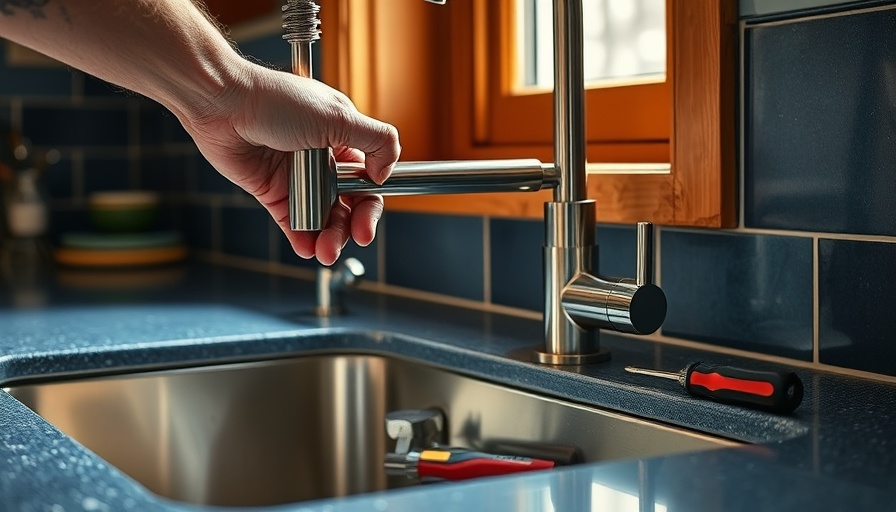
Master DIY: Fix That Kitchen Faucet Drip and Save Money

Fixing a leaky kitchen faucet with tools and parts on countertop.

Understanding the Leak: The Impact of Faucet Drips

A dripping faucet isn't just an annoying sound that can disrupt your morning routine. It subtly signals an underlying issue that, if ignored, can escalate the cost of your water bill and damage your home’s plumbing. For homeowners in the MidSouth, it's crucial to maintain plumbing fixtures not just for cost savings, but for overall household health. A single leaky faucet can waste over 3,000 gallons of water a year - enough to fill a backyard pool! Understanding the mechanics behind faucet leaks is the first step in addressing this common household issue effectively.

Identifying the Right Tools for the Job

It’s not enough to know how to fix a leaky faucet; having the right tools is essential. The common toolkit for tackling this issue includes an adjustable wrench, a selection of screwdrivers, and a plumber's socket set. Each tool plays a critical role in identifying the source of the leak and executing repairs. Instead of calling a plumber, armed with your toolkit and determination, you can save between $100 to $200 for what is often a simple fix.

Step-by-Step Guide to Fixing Your Faucet

Begin by turning off the water supply to prevent a minor issue from becoming a deluge. The process can be broken down into manageable steps. First, remove the handle by unscrewing it carefully. This can often be done with just a flathead screwdriver or an Allen wrench, depending on your faucet's design. Once you access the inner workings, inspect the O-rings, washers, or cartridges that may need replacing. Following a straightforward step-by-step guide can demystify the repair process and empower you to tackle even complex plumbing fixes!

DIY vs. Professional Help: Weighing the Options

While tackling faucet repairs at home is cost-effective, there are instances where calling a professional is appropriate. For example, if the leaks persist after replacing worn parts, the issue may stem from more complicated plumbing issues. Knowing when to seek help can save you time, stress, and further costs. Many homeowners in the MidSouth, especially those who value health and sustainable living, prioritize DIY fixes but should remain aware of their limits.

Maintaining Your Faucet: Preventative Tips

Once you've repaired your leaky faucet, consider proactive maintenance to extend its lifespan. Regular checks on your faucets every few months can prevent small issues from becoming substantial repairs. Additionally, using vinegar regularly to clean faucet parts can remove mineral buildup that contributes to leaks. This straightforward maintenance task is not only environmentally friendly but also enhances the efficiency of your plumbing system.

The Emotional and Financial Benefits of DIY Home Repair

Home repair can lead to a sense of accomplishment and pride, especially for homeowners who enjoy personalizing their spaces. Fixing something yourself fosters a strong relationship with your home, blending your emotional wellness with practical knowledge. This empowerment can be even more uplifting for families in the MidSouth, where community ties often emphasize shared knowledge and resourcefulness.

Future Trends in Home Repair: Sustainable Solutions

As trends shift toward sustainability, more homeowners are incorporating eco-friendly practices in their home maintenance routines. For instance, choosing high-quality, sustainable replacement parts can minimize the need for frequent repairs and reduce waste. Emerging innovations in plumbing technology are also paving the way for more efficient fixtures that reduce water consumption. Staying informed about these trends enables homeowners to future-proof their residences against ongoing environmental concerns.

By taking the steps to fix a leaky faucet, you are not only saving money but also contributing to a more sustainable home ecosystem. The skills and knowledge you gather will help cultivate a deeper awareness of your living environment. So, gather your tools and get to work on that drip—it’s well worth the time!

Home Maintenance & How-To’s

2 Views

0 Comments

Write A Comment

*
*
Related Posts All Posts
01.15.2026

Top Car Recall Insights of 2025: What Homeowners Must Know About Safety

Update Understanding Car Recalls: What They Mean for YouCar recalls are more than just numbers; they signify crucial safety issues that can affect your family and friends. The recall statistics released by the National Highway Traffic Safety Administration (NHTSA) for 2025 highlight a significant issue in the automotive industry, particularly concerning how brands prioritize safety and customer well-being. As residents of the MidSouth, it is essential that we keep ourselves informed about which brands are safe and which vehicles might have serious issues. Ford Leads the Pack: A Closer Look at the NumbersIn 2025, Ford found itself enmeshed in controversy as it led the automotive industry with an astounding 153 recalls, far exceeding any other brand. This alarming statistic represents 34% of the total recalls among the top twelve 자동차 제조업체. From electrical issues to engine performance problems, Ford's diverse reasons for recalls offer a window into the larger sea of quality control issues facing the industry today. This influx of recalls is not just a concern for Ford but raises questions for potential buyers across the array of automobiles available. What Do These Recalls Indicate?When we see reports on recalls, it's easy to become alarmed but understanding their context can be less disconcerting. Many recalls deal with less severe issues, such as faulty seat belts or software updates, which can sometimes be resolved via over-the-air fixes. Nevertheless, recalls with serious implications, such as those with “Do Not Drive” warnings, typically indicate significant safety hazards. In 2025, Ford issued approximately 19 such warnings due to high-risk fire issues or potential drivetrain failures. A Broader Perspective: The Impacts of Automotive QualityThe staggering number of recalls could seem like merely a statistical anomaly to some, but they reveal larger concerns about quality in the automotive industry. Ford's proactive recall strategy indicates a commitment to improving quality metrics, despite facing criticism. This proactive safety approach could serve as a double-edged sword, albeit one that ultimately prioritizes public safety over mere brand image. Consumer Awareness: Making Informed DecisionsFor homeowners in the MidSouth looking to purchase a new vehicle, the data about recalls offers valuable insights for making informed decisions. Researching recall histories, particularly from brands like Ford with higher recall rates, can provide greater peace of mind. Buyers should explore not only how many recalls a particular brand has but also the reasons behind those recalls. This diligence can lead to a safer vehicle purchase experience. Tips for Current Vehicle OwnersIf you currently own a vehicle, being informed on its recall status is vital. Car owners should regularly check their vehicle’s National Highway Traffic Safety Administration (NHTSA) recall status using their VIN number. Awareness of ongoing recalls can ensure your vehicle operates safely and reliably. Always pay attention to dealership communications as these alerts can save lives and prevent costly repairs down the road. Take Charge of Your SafetyAs you navigate the world of car ownership and purchases, remember that being proactive about safety calls for more than merely checking for recalls. It encompasses creating a culture of awareness and responsibility. Consider joining safety-first communities that focus on vehicle maintenance and safety checks. Connecting with others can make a significant difference not just for your car but within your local community. Educate yourself and friends about vehicle safety—because when it comes to family and loved ones, one can never be too careful.

01.14.2026

The Ultimate Low-Effort Strategy for Cleaning Your Leather Car Seats

Update Unlock the Secrets to Pristine Leather Car Seats Leather car seats can add a touch of elegance and comfort to any vehicle, but keeping them clean and well-maintained is crucial for both aesthetics and longevity. Just like any part of your home, your car's interior deserves proper care. Here’s a comprehensive guide on how to clean leather car seats effectively and effortlessly, ensuring they stay in top shape for years to come. The Importance of Regular Cleaning Over time, dirt, dust, and oils from our skin can accumulate on leather car seats, leading to discoloration and deterioration. Regular cleaning not only maintains the luxurious look and feel of the leather but also can help you avoid costly repairs down the line. By dedicating just a couple of hours to this task every few months, you'll ensure a healthier environment free of allergens, especially if you have pets or children in the car. A clean car interior should be as much a priority as maintaining a clean home. Essential Tools and Materials You’ll Need Boar hair brush Vacuum cleaner Leather cleaner and conditioner Microfiber towels These tools aren’t just suggestions; they are essential for an efficient cleaning process. A good quality leather cleaner will not only clean the seats but will also help protect them from UV rays and prevent cracking. Step-by-Step Cleaning Guide Follow these steps for a thorough yet effortless clean: Step 1: Vacuum Your Seats Thoroughly Begin by vacuuming every nook and cranny of your car’s interior. This means not just the seats but also the floors and door compartments. Pay special attention to seams and crevices to remove any embedded dirt or crumbs. Step 2: Apply the Leather Cleaner With a microfiber towel, spray the cleaner and wipe the seat in circular motions. Don’t shy away from tapping into hard-to-reach seams by folding the towel around your finger or using a card as a cleaner applicator. You’ll notice an immediate color difference as the leather regains its sheen. Step 3: Deep Clean the Seams To really tackle those tricky spots, a soft-bristled boar hair brush can be a real game-changer. It will help get into the seams without damaging the leather, providing a deep clean without excessive effort, leaving the surface fresh and looking new. Step 4: Conditioning the Leather Don’t forget to apply conditioner after cleaning. This step nourishes the leather, preventing it from drying out and cracking. Use a conditioner that suits the type of leather in your car—whether genuine or synthetic—for optimal results. Common Misconceptions About Leather Maintenance Many believe that leather doesn’t need regular cleaning; however, this couldn’t be further from the truth. Leather, much like fabric, gathers dirt and grime. Regular cleaning is essential to maintain its luxurious look and feel and prolong its lifespan. Embracing a Stress-Free Car Cleaning Routine Think about the last time your car was clean. Now imagine how you’d feel every time you entered your vehicle if it looked pristine. It can not only uplift your mood but also promote a healthier environment for you and your passengers. How Regular Maintenance Can Save You Money Investing in a good leather cleaner and conditioner pays off in the long run. Regularly cleaning and conditioning your leather seats can prevent significant deterioration, which might otherwise necessitate costly repairs or replacements. By taking just a little time to properly maintain your leather, you’re protecting your investment. Now, It’s Your Turn! By following these practical tips, you can easily incorporate leather seat cleaning into your regular car maintenance routine. So gather your cleaning supplies, set aside an hour for this rewarding task, and enjoy the satisfaction of driving a well-maintained vehicle. Your leather car seats will thank you!

01.13.2026

Is Your Wi-Fi Vulnerable? Discover Essential Tips to Secure Your Network

Update Is Your Wi-Fi Safe? Understanding Common Vulnerabilities In our technology-driven world, the typical U.S. household boasts an astonishing 21 Wi-Fi connected devices. This staggering number represents not only convenience but also a broadened surface for potential cyber threats. The risk is real; according to cybersecurity experts, if your Wi-Fi network is compromised, every connected device—from your smart TV to home security cameras—is at risk. In fact, around one-third of smart device users have reported being victims of data breaches or scams, as noted in consumer reports. Wi-Fi Breach: Could it Happen to You? The digital landscape is quickly becoming a battleground for hackers. A compromised Wi-Fi network can lead to significant issues—unauthorized access can range from stealing sensitive information like credit card numbers to hijacking home devices. Digital forensics expert Calum Baird warns that if cybercriminals use your network for illicit activities, law enforcement could mistakenly view you as a suspect. Therefore, Wi-Fi security is not just a personal concern; it affects your entire household's safety. Simple Steps to Secure Your Network: A Quick Checklist When it comes to protecting your Wi-Fi, there’s a silver lining: enhancing security can often be done in just minutes and at no cost. Here are several quick, actionable tips: Change Default Passwords: Your router usually comes with a default password, which is a hacker’s dream. Set your unique password to secure access. Upgrade Your Router: If your router is older than a few years, consider upgrading to one with WPA3 encryption for better protection. Place Your Router Strategically: Ensure your router is centrally located in your home to minimize outreach to neighboring properties. Monitor Connected Devices: Regularly check the devices linked to your Wi-Fi to spot any unauthorized access. Use Guest Networks: Set up a separate network for guests and IoT devices; this way, if any device is compromised, it won’t threaten your more sensitive devices. Understanding Wi-Fi Security Keys A Wi-Fi security key is essentially the password safeguarding your network. This key encrypts your data as it moves between your devices and the internet, thereby protecting your personal information. Always be mindful of who you share this password with, as unauthorized access can lead to dire consequences. If you’re unsure of your current security key, check the bottom of your router where it is often listed. Proactive Measures: Staying Ahead of Cyber Threats Staying informed is vital. Cyber villains continuously adapt, discovering new ways to infiltrate networks. Some proactive measures include: Regular Firmware Updates: Just like your computer, routers also need updates to protect against vulnerabilities. Check your router settings to see if there’s an option to update automatically. Use a Virtual Private Network (VPN): A VPN hides your IP address, adding an additional layer of security no matter where you connect to your Wi-Fi. Emotional and Practical Insights: Safety Starts at Home Imagine feeling secure in your home, knowing that your family is protected from potential cyber threats. A sense of well-being comes from knowing you’ve taken the necessary steps to secure your home. With these practices in place, not only will you reduce the risk of a security breach, but you will also create a more trustworthy environment for your loved ones. Conclusion: Time to Take Action! The reality is that while digital threats loom, proactive measures can significantly mitigate risk. Ensure your Wi-Fi network is secure with these straightforward steps—your personal and family security depend on it. By securing your home Wi-Fi network today, you’re taking vital steps towards safeguarding your digital world. To dive deeper into enhancing your home's digital security and for more insights into maintaining a safe living space, take the initiative now to start optimizing your Wi-Fi network!

Terms of Service

Privacy Policy

Core Modal Title

Sorry, no results found

You Might Find These Articles Interesting

T
Please Check Your Email
We Will Be Following Up Shortly
*
*
*