Add Row
Add Element

Add Element
UPDATE
Add Element
  • Home
  • Categories
    • Health, Wellness & Family
    • Outdoor Living & Curb Appeal
    • Home Services
    • MidSouth Life Podcast
    • HVAC
    • Plumbing
    • Roofing
    • Dentist
    • CPA
    • Electrician
    • Insurance
    • Flooring
    • Injury Law
    • Elder Law
  • Local Authority Spotlight
  • Financial & Legal Services
  • Chiropractic & Physical Wellness
  • Events & Happenings
  • Business & Professional Services
July 18.2025
2 Minutes Read

Is the Sage Grouse Disappearing? Discover Its Impact on Your Health

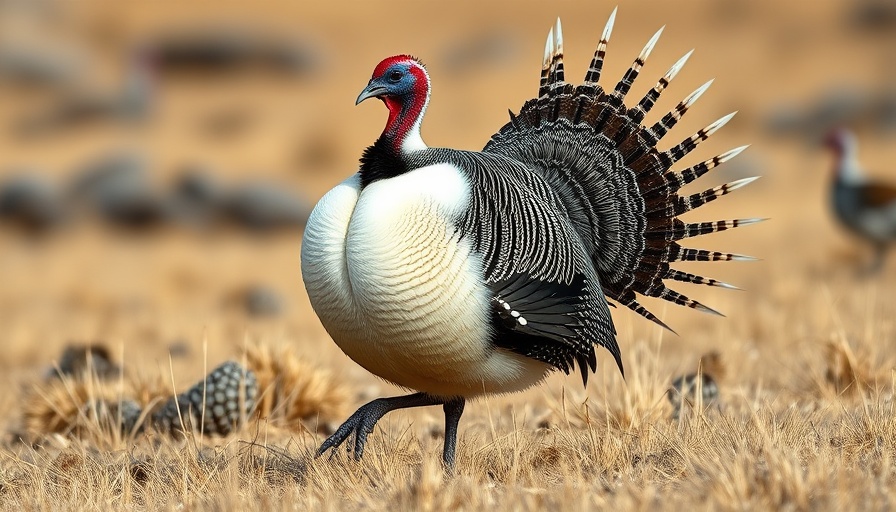
Sage grouse in display, highlighting conservation efforts.

Are We Losing the Sage Grouse? Understanding Its Plight

The sage grouse, a bird remarkably adapted to the vast sagebrush landscapes of the American West, is facing unprecedented threats. Recent reports suggest that the population in North Dakota may be on the verge of extinction. This development is not just an environmental concern—it also reflects broader issues of biodiversity that could impact various ecosystems, including those near our homes.

Why Is This Important for Homeowners?

As homeowners in the MidSouth, you might wonder what the status of the sage grouse has to do with your health and wellness. The answer lies in the delicate balance of ecosystems. Birds like the sage grouse play crucial roles in their habitats; they contribute to seed dispersal and help control insect populations. A decline in their numbers could lead to unforeseen consequences for local environments, impacting everything from the plants in your backyard to the air you breathe.

The Connection Between Wildlife and Human Health

Understanding wildlife conservation is more than an environmentalist’s concern—it's a matter of human health and wellness. Healthy, diverse ecosystems contribute to cleaner air and water, which are essential for our well-being. Additionally, the loss of species like the sage grouse can signify problems such as habitat degradation. When habitats become unhealthy, it can increase the prevalence of pests or diseases, potentially affecting your family’s health.

The Importance of Sustainable Living

Incorporating sustainable practices into your daily life can help support ecosystems at risk. Simple actions like creating bird-friendly environments in your garden can aid wildlife. Planting native species not only decorates your home but also provides food for local birds and insects, contributing to healthier ecosystems.

Predictions for the Future

Experts warn that if trends continue, we might witness not just the loss of the sage grouse in North Dakota, but a ripple effect that includes the decline of other species. This scenario emphasizes the urgency of conservation efforts—issues that are likely to gain increasing attention from local advocates and environmental organizations. A focus on sustainability, as smarter living choices contribute positively to wildlife conservation, can lead to healthier communities.

How You Can Contribute

So how can homeowners in the MidSouth make a difference? Start by joining local conservation initiatives that focus on habitat restoration. Collaborate with neighbors to create a community garden that uses native plants. Every action counts—your choices today can pave the way for a healthier future for both people and wildlife.

Conclusion: Reflect and Act

The story of the sage grouse serves as a reminder of our interconnectedness with nature. As we consider the implications of its potential extinction, let’s remember that caring for the environment is crucial not only for wildlife but also for our health and wellness. Take proactive steps in your own life to encourage sustainable living. Support local conservation efforts, and be a voice for ecosystems in distress—your commitment can contribute to a healthier planet.

Outdoor Living & Curb Appeal

1 Views

0 Comments

Write A Comment

*
*
Please complete the captcha to submit your comment.
Related Posts All Posts
04.15.2026

Boundary Waters Vote: Why Homeowners Must Voice Support for Protections

Update Protecting the Boundary Waters: An Urgent Call to Action The Boundary Waters Canoe Area Wilderness (BWCAW) is a cherished natural resource representing the beauty and ecological diversity of Minnesota. With the Senate poised to vote on proposed changes to its environmental protections, it is a crucial moment for anyone invested in maintaining the integrity of our public lands. It’s time for homeowners in the MidSouth, who value healthy living and a sustainable lifestyle, to take a stand. The Implications of the Senate Vote The recent discussions surrounding House Joint Resolution 140 are alarming. This resolution could effectively strip protections from the 225,504 acres of the BWCA, allowing foreign mining interests to gain access to this pristine wilderness. According to conservation leaders, this could set a dangerous precedent not just for Minnesota, but for public lands across the United States. The implications extend beyond environmental risks; they touch upon the cultural and recreational activities that define the region and impact local communities in the MidSouth. A Historical Perspective: The Legacy of Protection The Boundary Waters has long been a battleground for conservation. Designated as a protected area since the Wilderness Act of 1964, its history includes a coalition of voices from local residents to national conservation groups fighting to preserve its unique ecosystem. A successful vote supporting the current protections can be seen as a chapter in an ongoing narrative of environmental stewardship that resonates deeply with the values of preservation advocated by many homeowners who cherish outdoor living and recreational activities. Environmental Risks of Mining in Sensitive Areas Mining may promise economic opportunities, but the environmental risks it poses—in terms of water contamination, disruption of wildlife habitats, and degradation of air quality—cannot be overlooked. The potential for sulfide-ore mining in particular raises alarm bells among environmentalists. Research shows that such mining not only pollutes water sources but also imposes long-term health risks on nearby communities, leading to serious implications for residential areas reliant on these natural resources. What This Vote Means for Your Community For those in the MidSouth, the outcome of this Senate vote is a reflection of broader national values about land use and environmental responsibility. Homeowners who prioritize their health and wellness are particularly attuned to the potential impacts that decisions made at this level can have on their communities. Protecting the Boundary Waters isn’t just about conservation; it’s about ensuring clean air and water for generations to come. A Call to Action: What You Can Do The time to act is now. Reach out to your senators and express your support for the protection of the Boundary Waters. Email, call, or even arrange a visit to ensure that your voice is heard. Every message sent is a reminder that constituents care deeply about their natural heritage. You can also engage with local environmental groups to stay updated on the progress of this legislation and participate in community forums that discuss the implications of such policies. Final Thoughts: Protect Our Public Lands The future of the Boundary Waters Canoe Area Wilderness hinges on the actions of our lawmakers. Homeowners in the MidSouth have a critical role to play in advocating for sustainable practices that prioritize the health of our environment. As the Senate deliberates, we must rally our efforts to protect not just the Boundary Waters, but all cherished natural spaces vital to our heritage and wellness. Let’s unite in this crucial moment to ensure our wilderness areas remain safeguarded for future generations.

04.15.2026

Why Surface Temperature is Key for Exterior Paint Adhesion and Curing

Update Understanding the Crucial Role of Surface Temperature in Exterior Paint ApplicationWhen it comes to a paint job, most homeowners think of the paint itself and the color choice. Yet, surprisingly, it's often the temperature of the surface you’re painting that plays a critical role in ensuring a successful finish. In the MidSouth, with its often unpredictable weather patterns, it’s vital to understand how the surface temperature influences paint adhesion, curing, and overall paint longevity. Here’s a deep dive into why this aspect matters.Air Temperature vs. Surface Temperature: What You Need to KnowThe air temperature can be misleading on a pleasant day; a painted wall may be experiencing extreme heat or cold that you can't see on your thermometer. Factors like sun exposure and wind can drastically affect surface temperatures on different materials like siding, stucco, or metal. For instance, a dark-colored home can absorb heat and exceed the threshold for optimal paint application, whereas an area in shade may remain cooler even when air temperatures are pleasant. Understanding this discrepancy can help you avoid costly painting mishaps.The Surprising Effects of High Surface HeatExtreme heat is a serious enemy to proper paint application. When the wall is too hot, paint can dry too quickly on the surface before it adequately bonds underneath. This rapid drying leads to a myriad of problems including poor adhesion, lap marks, and uneven sheen. These issues are often not immediately visible but can manifest later as cracks, peeling, or fading of the finish. For homeowners, that means investing your time and money into a paint job that might not hold up as well as anticipated.The Dangers of Low TemperaturesOn the flip side, attempting to apply paint when surface temperatures are too low can be just as detrimental. Cold surfaces can prevent proper curing, making the paint tacky and impacting how well it adheres. Moisture can linger on cold substrates, further delaying the curing process—and increasing the risk of a weak final bond. This often results in a poor-quality finish that may be vulnerable to seasonal movements and weather impacts.Surface Material MattersDifferent materials react differently to temperature variations. For example, metals tend to heat and cool down rapidly. A thorough understanding of how your specific material behaves under various conditions is crucial. Homeowners will benefit from paying attention to the characteristics of the surfaces they are working with, particularly when planning painting projects.The Importance of Timing and PlanningGiven the dynamic nature of weather conditions, effective planning is essential. If you're painting outdoors, it’s advisable to look at the forecast but also touch the surfaces before starting your project. Make sure to schedule your painting at a time when conditions are likely to be optimal. This involves being aware of the time of day, as surfaces can heat up significantly during peak sunlight hours.What You Can Do to Ensure SuccessFor homeowners in the MidSouth, here are a few actionable insights to ensure your next paint job is successful:Use a temperature gauge to monitor the surface temperature before you begin painting.Choose the right day for painting, avoiding extreme forecasts.Be mindful of the materials you’re working with, adjusting your approach accordingly.Consider using paint materials designed for extreme temperatures, which have better flexibility and adhesion properties.Conclusion: Prioritize Surface Temperature for a Lasting FinishThe right paint job can transform your home's appearance, but it can only deliver lasting beauty if executed correctly. By understanding and managing the impacts of surface temperature, you're taking a crucial step towards enhancing your home’s curb appeal with a finish that truly lasts. Don't underestimate the importance of surface conditions—pad your preparation with knowledge and ensure your investment pays off.So, next time you’re planning a painting project, remember: a little research into surface temperatures today can save you a lot of hassle tomorrow.

04.14.2026

Discover the New Zeiss Conquest Apia: Elevate Your Outdoor Experience

Update The Evolution of Zeiss: A New Chapter in Sporting Optics In the world of sporting optics, Zeiss has long been a name synonymous with quality and precision. However, recent developments reveal a significant shift in the company's production strategy, particularly with the introduction of the Conquest Apia spotting scope. Though Zeiss has ceased its operations in Germany, the technology and expertise behind their optics have not only persisted but evolved under new ownership. This transition marks an exciting era for outdoor enthusiasts who rely on top-tier equipment for their adventures. The Conquest Apia sports a lightweight design and impressive optical features that may redefine expectations for spotting scopes. Spotting Scope Comparison: Zeiss Apia vs. Competitors The Zeiss Conquest Apia 65mm spotting scope stands out in a competitive market. With a retail price around $1499.99, it positions itself competitively against other models like the Maven S.3A. Although both scopes share high-quality optics, the Apia offers unique benefits, such as a smooth and ergonomic design that's particularly appealing for backpack hunters. Weighing in at just over three pounds and significantly lighter than its competitors, the Apia mitigates fatigue during long treks through the wilderness, making it a versatile choice for nature lovers. Optical Performance: Clarity, Quality, and Innovation One of the key features that set the Conquest Apia apart is its advanced optical system. Utilizing extra-low dispersion (ED) glass, this spotting scope ensures high resolution and minimal chromatic aberration. Reviewers note its exceptional clarity, especially at longer distances, evidencing Zeiss's commitment to optical excellence. Moreover, users can expect a generous field of view at both 20x and 50x magnifications, enhancing the overall experience when observing wildlife or participating in long-range shooting. Field Performance: Perfect For Outdoors Enthusiasts Field testing reveals that the Apia excels in real-world applications, from hunting to birdwatching. The compact size and lightweight performance make it ideal for users who value portability without sacrificing quality. Whether you're scanning vast landscapes for wildlife or focusing on specific details from a distance, the Apia’s ergonomic features and robust construction provide reliability in various outdoor conditions. The convenient detachable eyepiece further increases its versatility, allowing for future expansions within the product line. Accessories That Enhance Experience Zeiss understands that a great scope deserves great accessories. The Apia comes equipped with practical features, including a one-piece objective cap and a robust rubber ocular cover. An optional digiscoping adapter promises easy integration with modern smartphones, allowing users to capture and share their adventures seamlessly. This thoughtful approach not only enhances the user's experience but also reflects Zeiss's commitment to innovative outdoor solutions. Conclusion: The Future of Optics With Zeiss With the launch of the Conquest Apia spotting scope, Zeiss embraces a future filled with potential while honoring its legacy of quality and precision. By integrating advanced technology and user-friendly features, the Conquest Apia sets a new standard in the world of sporting optics. Outdoor enthusiasts in the MidSouth can expect not only to enjoy the great outdoors more easily but also to benefit from equipment that prioritizes their well-being and experience. As you consider your next purchase, the Apia could very well be the companion you need to enhance your adventures. Call to Action: Don’t miss out on the opportunity to elevate your outdoor experience. Explore the Zeiss Conquest Apia and transform the way you engage with nature. Whether you're a seasoned hunter or a casual observer, investing in quality optics is a step towards healthier and more fulfilling outdoor activities.

Terms of Service

Privacy Policy

Core Modal Title

Sorry, no results found

You Might Find These Articles Interesting

T
Please Check Your Email
We Will Be Following Up Shortly
*
*
*