Add Row
Add Element

Add Element
UPDATE
Add Element
  • Home
  • Categories
    • Health, Wellness & Family
    • Outdoor Living & Curb Appeal
    • Home Services
    • MidSouth Life Podcast
    • HVAC
    • Plumbing
    • Roofing
    • Dentist
    • CPA
    • Electrician
    • Insurance
    • Flooring
    • Injury Law
    • Elder Law
  • Local Authority Spotlight
  • Financial & Legal Services
  • Chiropractic & Physical Wellness
  • Events & Happenings
  • Business & Professional Services
July 12.2025
3 Minutes Read

Empower Your Projects: A Complete Guide to Drill Bits and Materials

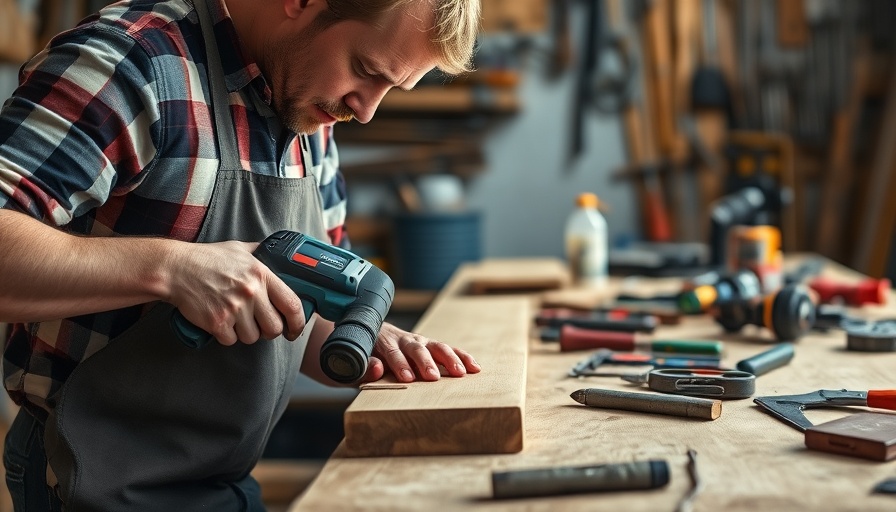
Craftsman using electric drill on wood board in workshop.

Mastering Tools: The Essentials Every Homeowner Should Know

Drilling is an essential skill for every homeowner, especially for those in the beautiful MidSouth where DIY projects can elevate both interior aesthetics and outdoor functionality. With the right bits and materials, you can transform your living spaces while prioritizing health and wellness through improved home design. In this guide, we’ll delve deep into selecting the right drill bits and materials to elevate your home projects into manageable, fun activities.

Understanding Drill Bits: A Key to Success

Choosing the right drill bit can make all the difference in your projects. From masonry to wood and metal, each material requires specialized bits. For MidSouth homeowners, understanding the types of bits available will empower you to tackle different surface materials. For instance, twist bits are great for standard drilling in wood, while spade bits expedite larger holes—the kind needed for installing shelving or hanging artwork. Never underestimate the difference a quality drill bit can make on your project’s outcome.

Material Matters: Choosing Wisely

Choosing the right materials for your home improvement projects ensures better durability, safety, and aesthetic appeal. In the MidSouth, where humidity can impact materials, it's critical to opt for moisture-resistant finishes and sustainable woods. Adopting eco-friendly options isn’t just beneficial for your mindfulness but also enhances your home's visual harmony and health. For example, using water-based paints not only reduces fumes but also ensures a healthier indoor environment for you and your family.

Safety First: Essential Health Considerations

While drilling can be an exhilarating part of home improvement, safety must take precedence. Always wear safety goggles to protect your eyes from flying debris and ensure proper ventilation, particularly when working with chemicals and finishes. The Emotional and physical well-being of yourself and loved ones depends on safe practices while maintaining and upgrading your home. Don’t hesitate to invest in high-quality protective gear; it could save you from health risks down the line.

Recipes for Success: Techniques for Effective Drilling

Effective drilling isn't just about having the right tools; it’s also about mastering solid techniques. Start slow; this allows you to maintain control and ensure clean holes. If you’re drilling into a material prone to chipping, like tile, consider using a guide to maintain precision. Additionally, back your project pieces with a scrap piece of wood for extra support and to prevent tearing during drilling.

Future Predictions: Embracing Sustainable Living

The future of home improvement is leaning towards sustainability. As homeowners in the MidSouth increasingly prioritize health and eco-friendliness, we can expect trends such as pulp and paper-based sustainable materials to gain traction. Anticipating these changes means considering not just how to make your space beautiful today but how to future-proof your home socially and environmentally.

Common Questions: The Curiosities of Home Improvement

Many homeowners are often puzzled about what drill bit to use for their projects. A common query is, “What’s the best drill bit for ceramic tiles?” The answer lies in diamond-tipped bits, designed specifically for hard surfaces to prevent cracking. Addressing these types of questions not only builds your confidence as a DIYer but also fosters a community of informed homeowners ideal for sharing experiences and solutions.

Conclusion: Every Drill Stroke Counts

In conclusion, mastering the art of drilling involves the right tools, techniques, and materials. By embracing health-conscious practices and sustainable options, not only are you improving your home but also contributing positively to your environment. Ready to embark on your next project? Pick up your drill and let your creativity flow—as every stroke counts toward enhancing your living space.

Home Services

4 Views

0 Comments

Write A Comment

*
*
Please complete the captcha to submit your comment.
Related Posts All Posts
04.10.2026

Elevate Your Space: 5 Affordable Ways to Add Textured Walls

Update Transform Your Space: Inexpensive Textured Walls That Dazzle In the quest to create a home that embodies style and personality, homeowners often overlook one of the simplest yet most impactful elements: wall texture. Walls serve as the canvas for your creativity, so why settle for bland finishes? Textured walls not only add depth and warmth to spaces but also provide an opportunity to express individuality without breaking the bank. Defining Textured Walls: What Makes Them Special? Textured walls, as explained by industry experts, introduce visual intrigue and dimension that flat surfaces simply can’t match. Whether it's the warm embrace of earth tones or the elegance of layered finishes, incorporating texture taps into the current trend of making our homes feel like cozy sanctuaries. Well-known interior designer Erin Greene emphasizes this by stating, "Texture can totally bring a space to life." This is especially true for materials that offer an organic feel, like limewash and plaster, which have surged in popularity for their affordability and versatility. Why Traditional Textures Can Be Costly While we all adore the charm of textured walls, they can come with a hefty price tag. High-end finishes typically involve intricate craftsmanship and time-consuming applications. Lauren Vallario, another design guru, points out the expertise required, particularly with textures like plaster and custom paneling. "The skilled labor and materials can drive up costs quickly," she says. To steer clear of sticker shock and still achieve that designer look, it’s important to explore more budget-friendly solutions without compromising on style. Five Inexpensive Techniques to Get Pro-Level Texture Here are five creative and affordable ideas to transform your walls into eye-catching features: Orange Peel Finish: This widely appreciated texture is simple to apply with a spray gun. It creates a subtle design that is ideal for whole rooms or ceilings, proving that style doesn’t have to be expensive. Knockdown Texture: A more dynamic choice, this finish features a splattered look that's flattened slightly, offering rustic charm and character without breaking the bank. Slap Brush Texture: Known for its artistic flair, a slap brush pattern integrates brush strokes into the wall, bringing unique beauty to ceilings or accent walls with minimal cost. Skip Trowel Finish: For those seeking a refined texture, this artisan finish offers understated elegance while requiring little material, making it budget-friendly. Faux Finishes: Consider using faux wall panels that imitate stone or wood textures. These not only save you on materials but are also perfect for DIY enthusiasts. They offer the same aesthetic appeal as their natural counterparts without the extensive labor costs associated with installation. Your Health Matters: Eco-Friendly Choices In addition to aesthetics, it’s crucial to consider the health implications of the materials you choose. Many sustainable options, like eco-friendly paints and natural textured finishes, can enhance both the look of your home and your well-being. Homeowners in the MidSouth can benefit from selecting materials that are low in VOCs (volatile organic compounds). This attention to health and wellness in home décor aligns perfectly with the growing trend toward more mindful living. Future Trends: Sustainability and Textured Walls Looking ahead, expect to see more designs that incorporate sustainable practices. As consumers become more conscious of their choices, the demand for textures that not only beautify but also promote well-being will grow. Designers and contractors alike are adapting to these trends by prioritizing materials that reflect a commitment to the environment and personal health. Decisions You Can Make Today With countless options at your disposal, now is the perfect time for homeowners in the MidSouth to embrace textured walls as a viable home improvement project. Whether you opt for a budget-friendly DIY approach or consult with a professional for more intricate designs, adding texture to your walls can noticeably elevate the overall vibe of your living spaces. Textured walls are an integral part of any home that aims to foster comfort and creativity. As you explore your options, remember that every small decision can make a significant impact on your wellbeing and the livability of your space. The journey to a beautifully textured home starts today!

04.09.2026

Why Do Some Coins Have Ridges? Discover Their Importance and History

Update Understanding Why Some Coins Have Ridges Have you ever examined a coin closely and noticed those tiny grooves along the edge? Known as reeding, these ridges are more than decorative—they are steeped in history and functionality. The evolution of coin design, particularly the inclusion of ridges, reflects a fascinating journey through time, indicating shifts in security measures and accessibility. A Historical Look at Coin Ridges Ridges on coins date back centuries, primarily developed to combat a crime known as coin clipping. In the age of precious metal currency, such as gold and silver, thieves would shave tiny amounts off the edges of coins, then spend the remaining lighter versions at full value. This practice not only undermined the currency's integrity but also posed challenges to economic stability. Interestingly, visitors may not realize just how significant these ridges were in maintaining public confidence. The introduction of reeded edges allowed for quick detection of tampering. The meticulous nature of this design became essential, particularly when notable figures like Isaac Newton took charge of overseeing these security measures at the Royal Mint in the late 1600s. The Modern Importance of Ridges Today, ridges are still crucial for several reasons. First, they help distinguish between denominations. For someone who is visually impaired, grabbing the right coin can be a challenge; textured edges allow them to identify coins by touch. Moreover, ridges contribute to the usability of coins in vending machines and coin sorters—where a simple tactile design can streamline processes. Despite the transition from precious metals to less valuable materials in coin minting, ridges have retained their importance. The U.S. Mint continues this tradition on higher denominations, such as dimes and quarters, providing a continuity that connects the past with the present. The Crafting Process of Reeded Coins The method by which these grooves are introduced is equally fascinating. Coins first emerge in the mint as flat discs, heated and shaped before entering the striking stage. Ridges are produced using a mill that firmly presses the blank coin, creating a consistent edge pattern. The dimes and quarters have 118 and 119 reeds, respectively, demonstrating the precision and care taken during the minting process. Exploring Coins Without Ridges Contrasting with reeded coins, denominations like the penny and nickel often lack ridges. Historically, these coins contained materials less likely to invite clipping due to their lower value. Thus, their smoothly finished edges have become a norm, highlighting differing production capabilities and intended use cases. This distinction fosters a deeper understanding of coins and can even spark interest in coin collecting. Understanding why certain coins are designed without ridges can open discussions about practicality in minting processes and their historical implications. Accessibility and Practicality in Coin Design The changes in coins over time reflect growing concerns for accessibility and functionality. Ridges aid in preserving the authenticity of currency and making daily transactions easier for everyone. It's not just about money—it's about shaping everyday life and ensuring everyone, regardless of ability, can engage with currency comfortably. For enthusiasts and collectors alike, the historical narrative attached to these seemingly simple grooves acts as a reminder of the innovation embedded in everyday experiences. It prompts a curiosity about how design evolves to meet both functional and aesthetic needs. Final Thoughts: The Legacy of Coin Ridges Next time you reach for a coin, take a moment to appreciate those ridges that connect us through time. They are a testament to centuries of craft, a solution born out of necessity, and an important aspect of our economic history. Whether you’re sorting coins at home or using them in daily transactions, those subtle grooves embody a story of resilience, innovation, and human ingenuity. If you’re inspired by the history and purpose behind coins, consider diving deeper into numismatics. There’s a whole world of stories waiting to be discovered beyond just the pocket change!

04.08.2026

Air Fryer Troubleshooting Guide: Can You Revive Your Broken Appliance?

Update Understanding Common Air Fryer Problems Imagine whipping up a healthy batch of fries for your family, only to see your trusty air fryer malfunction. For many MidSouth homeowners, the air fryer has become a staple of quick, health-conscious cooking. However, unexpected breakdowns can leave you in a lurch. According to expert Caleb Caviness from AryCo, there are multiple reasons your air fryer might fail to heat up. The most frequent culprits include an improperly seated basket, dirty heating coils, or even a blown thermal fuse. These issues can often be resolved using straightforward troubleshooting methods. Simple Troubleshooting Steps to Revive Your Air Fryer Before tossing your air fryer, take a deep breath and follow these expert-backed troubleshooting steps. Start by checking the outlet to ensure it's functioning — especially important in kitchens where GFCI outlets frequently trip. If the outlet is fine, reseat the basket firmly, making sure that it clicks into place. A common issue arises when food or debris obstructs the safety switch, preventing the unit from heating fully. Regular cleaning of your air fryer is crucial, as buildup on the heating coils can lead to hot spots and malfunction. When cleaning, unplug your air fryer, and gently scrub the coils with a soft brush to remove any stubborn residues. Assessing Serious Problems If these basic troubleshooting measures don't solve the problem, it might be time to delve deeper. One significant indication of a serious issue is the fan. The air fryer relies on a fan to circulate hot air effectively. If you hear unusual noises or if the fan is silent when the fryer is on, it's time to consider a replacement rather than hoping for a quick fix. Inspect the power cord while you're at it. A soft spot or discoloration near the plug might signal electrical issues that warrant immediate replacement. An air fryer typically lasts between two to five years, with high-quality models extending this lifespan. If yours is nearing this age range and has started to show problems, it might be time to consider investing in a new appliance. When to Repair vs. Replace It's tempting to think about repairs, especially if you're attached to your air fryer. However, given the average cost of an air fryer ranges between $60 and $150, it often makes more sense financially to buy a new unit rather than pay for professional repairs. This is particularly true since expert labor can quickly escalate costs into the $80-$120 per hour range. Moreover, tampering with high-voltage components could pose safety hazards and void any existing warranties, leaving you with more than just a broken appliance. Choosing a Quality Air Fryer Should you decide to purchase a new air fryer, consider what constitutes a good quality appliance. Look for models that feature sturdy power cords and mechanical dials instead of fragile touchscreen interfaces. Stainless steel interiors are also a superior choice; they offer better heat retention and are easier to clean compared to flimsy non-stick coatings. Incorporating feedback from users and reviews can aid in your selection process, ensuring you invest in an air fryer that not only lasts longer but meets your cooking needs effectively. Conclusion and Next Steps While encountering issues with your air fryer can be frustrating, understanding the troubleshooting process helps demystify the appliance. Regular maintenance and informed decision-making can prolong the life of your air fryer and keep it functioning at its best. So, the next time your air fryer shows signs of distress, remember, a little troubleshooting could bring it back to life! If you're ready to make the leap toward purchasing a new model, consider shopping around locally to find the best deals.

Terms of Service

Privacy Policy

Core Modal Title

Sorry, no results found

You Might Find These Articles Interesting

T
Please Check Your Email
We Will Be Following Up Shortly
*
*
*