
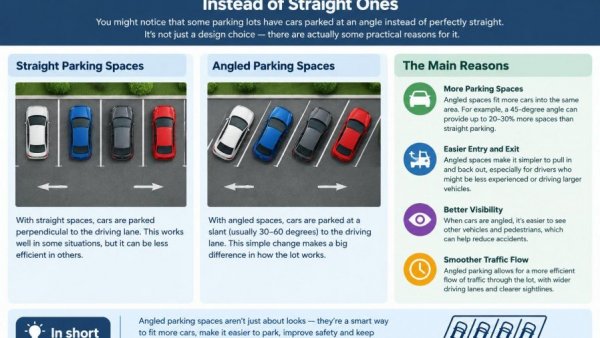
Understanding the Benefit of Diagonal Parking Spaces
Navigating a new parking lot can often feel like a puzzle. Drivers face an array of challenges – from deciphering one-way signs to figuring out the different parking rules. Among the most noteworthy distinctions are straight and diagonal parking spaces. Why do some lots opt for angled spaces? The answer lies in thoughtful design intended to enhance driving experiences and, importantly, improve the overall safety of parking lots.
How Diagonal Parking Improves Traffic Flow
One of the primary advantages of diagonal parking spaces is their user-friendly nature. When it comes to parking, drivers must contend with tight corners; however, angled spots ease this challenge significantly. Since these spaces typically align with one-way traffic lanes, they allow vehicles to pull in intuitively, reducing vehicle strain and enhancing the flow of traffic. This design approach not only streamlines movement but minimizes the potential for frustrating head-on encounters between cars, which can be especially stressful in crowded lots.
For homeowners in areas like the MidSouth, where shopping centers and local businesses are often packed with vehicles, efficient parking layouts can limit traffic congestion. Instead of a chaotic free-for-all, diagonal spaces strategically channel movement, allowing drivers to navigate their vehicles with greater ease. A smoother parking experience not only improves individual frustration levels but can also have broader implications by keeping traffic flowing smoothly in the neighborhoods surrounding commercial areas.
Are Diagonal Spaces Really Space Savers?
While diagonal parking provides numerous immediate benefits, such as easier entry and smoother traffic flow, its effectiveness in space optimization can present a mixed picture. According to the Iowa Statewide Urban Design and Specifications, one-way angled parking generally offers fewer spots compared to traditional perpendicular layouts for the same aisle length. However, this design typically requires narrower driving lanes, which can be a substantial benefit in bustling lots. Homeowners might find that this layout encourages a more efficient use of space without increasing the overall footprint of the parking area.
Interestingly, these angled spaces present unique challenges. Drivers of larger vehicles like trucks and SUVs often find it difficult to back out due to obstructed views caused by neighboring cars. This is where back-in angled parking represents an innovative solution. Rather than reversing into a space, drivers enter head-first and then reverse out. This not only allows for better visibility when exiting but also enhances safety by allowing passengers to disembark closer to sidewalks, away from traffic. It's a shift that is gaining traction in various urban developments.
Practical Considerations for Homeowners
As homes in the MidSouth flourish, many residents find themselves spending more time shopping locally and supporting neighborhood businesses. Understanding the nuances of parking layouts can prove beneficial, especially in emerging neighborhoods where new developments are common. Homeowners should advocate for thoughtfully designed parking solutions that take into account the needs of all drivers, including those with larger vehicles, as well as ensuring safe pedestrian pathways.
Local government and community planning boards have increasingly been tasked with making these design decisions, so informed discussions can significantly impact how future developments are planned. Homeowners can also play an active role in proposing improvements or requesting features like back-in angled parking in their communities, which could lead to safer and more efficient local roads.
Safety Tips for Using Diagonal Parking
The advantages of diagonal spaces are clear, yet all users must remain vigilant. Before backing out from a diagonal space, drivers should proceed with caution, ensuring they check for pedestrians and other vehicles. Utilizing backup cameras offers additional support; however, these should not substitute for direct visual checks around the vehicle. A responsible approach to safety while parking can help prevent accidents and ensure a positive experience for everyone on the road.
Conclusion: Creating Safer and More Efficient Parking Experiences
Whether you are parking at your favorite local store or in a crowded shopping district, understanding the benefits of angled spaces can make your experience less stressful. Homeowners in the MidSouth can certainly appreciate improved traffic flow in their communities, ultimately contributing to safer road use. The conversation around parking design is valuable, especially when homeowners express their preferences and concerns to local planners. As a reminder, always stay aware of your surroundings while reversing, and promote good parking practices within your family and circle of friends.
By taking these insights to heart, you’ll not only enhance your own experience but also contribute to a more organized and pleasant parking environment for everyone. As we continue to embrace thoughtful design in our communities, we can all play a part in creating spaces that prioritize safety, efficiency, and improved well-being for all drivers and pedestrians alike.





Write A Comment