
Transforming History into Home: The Journey of Hein & Cozzi
Provincetown's allure goes beyond its scenic vistas; it's embedded in the hearts of those who have woven their stories into its fabric. Philip Cozzi and Kristin Hein are two such individuals whose passion for design and history has resulted in a rejuvenation of the Old Homestead, a former sea captain's home. Situated in the coastal town known for its artistic legacy and LGBTQ+ community, their story serves as an inspiring example of how history can be preserved and celebrated in modern living.
The Vision Behind Their Design
As designers and the couple behind Hein & Cozzi, their approach draws from both of their rich backgrounds. Kristin's Swedish heritage translates into a light, Gustavian palette in some parts of their home, lending a serene elegance that echoes the tranquility of Cape Cod. Meanwhile, Philip’s Italian roots inspire a warmth reminiscent of his uncle’s restaurant, Ciro & Sal’s, creating a beautiful, inviting space that encourages togetherness.
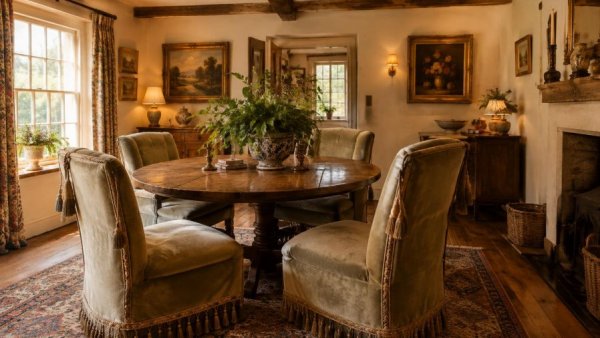
The integration of these two distinct heritages creates an atmosphere that is both comforting and sophisticated. In the dining area, for example, the combination of French and Italian influences showcases how thoughtful design can unite different cultures and personal histories into one harmonious space.
By reimagining the layout of their historically significant property, Philip and Kristin have distilled the essence of P-town’s distinctive character: a seamless blend of old and new. Their creation of an open-concept living area not only enhances the functionality of the space but also connects the indoors with the enchanting gardens outside, a vital aspect for maintaining mental wellness in one’s living environment. This connection to nature, as many wellness experts suggest, fosters tranquility and enhances the overall quality of life.
Choosing Sustainable Choices in Home Design
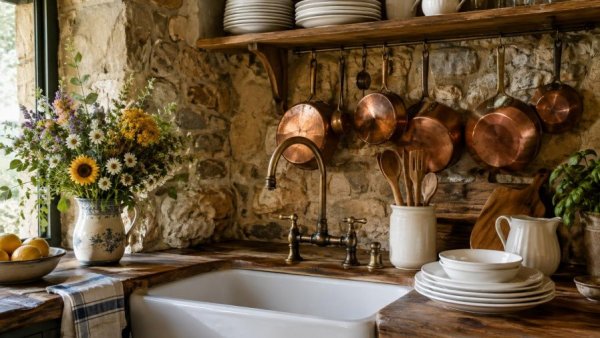
In design, construction choices reflect values; thus, Philip and Kristin have made conscious efforts to choose sustainable materials that positively impact health. For instance, the use of American Walnut Butcher Block countertops and painted pine T&G/shiplap for the walls provides a rustic charm while being eco-friendly. By choosing responsibly sourced materials, they not only contribute to a healthier living environment but also set an example for homeowners who aspire to create similar spaces.
This emphasis on sustainability is imperative, especially in today’s design landscape, where homeowners are increasingly mindful of their ecological footprint. Incorporating recycled, upcycled, or locally sourced materials can significantly reduce the carbon footprint associated with new constructions and renovations.
In addition to being eco-conscious, sustainable design can lead to enhanced indoor air quality, reducing exposure to toxins that may linger in conventional building materials. For homeowners in the MidSouth, where humidity can affect indoor health, these choices become particularly relevant, ensuring that homes remain both beautiful and conducive to well-being.
Merchandising Personal History through Decor
Every corner of the Old Homestead tells a story. Philip and Kristin's eclectic furniture collection, a mixture of vintage finds and family heirlooms, adds layers of history, making the space personal. For instance, wooden bowls crafted by Kristin's Swedish grandfather and silver inherited from family are not just decor, but pieces that carry sentiments and memories. This practice of incorporating family treasures into home design invites conversations about heritage and fosters a deeper connection to family roots.
Incorporating meaningful objects into the home encourages engagement with the past, fostering a sense of belonging. By curating a space that highlights personal histories, their home becomes not just a dwelling but a visually-rich narrative of their lives. Homeowners can also implement this concept by including their own family artifacts or mementos that spark joy and inspire nostalgia, making their homes more than just spaces to live—transforming them into reflections of their journeys.
The Joy of Entertaining: Creating Spaces for Connection
At the heart of their design lies a passion for bringing people together. The dining area, which features upholstered 1920s French chairs surrounding a French wine-tasting table, exemplifies this purpose. This deliberate choice encourages family and friends to gather, enjoy meals, and create memories. The warm ambiance acts as an invitation, encouraging spontaneous get-togethers, holiday celebrations, or quiet evenings filled with conversation.
Similar principles can be applied by homeowners aiming to create spaces that support social interaction. Using flexible furniture arrangements, open plans, and inviting decor can invite guests in and foster connection. For instance, homeowners can strive to arrange seating to facilitate conversation and connection, ensuring their spaces aren’t just functional but also welcoming and filled with life.
The homes we design and create should reflect our values. Philip and Kristin's journey with the Old Homestead proves that integrating aesthetics with individual histories can result in enriching environments that promote connection and joy. In doing so, they inspire others to think about the stories their spaces can tell. Ultimately, the narrative of a home deepens its significance—not only as a structure but as a sanctuary where life unfolds.
As the seasons change, so too can the decor, allowing for fresh interpretations of their unique style. This adaptability means that homes, much like the owners within them, can evolve and grow, making every moment spent there even more valuable.



Write A Comment